US Lawmakers Push Bipartisan Ban on Police License Plate Tracking via Highway Funding
A single-sentence provision in a $580 billion transportation bill would effectively prohibit state and local agencies from using automated license plate readers for surveillance, leveraging Congress’s spending power to bypass complex Fourth Amendment legal debates.
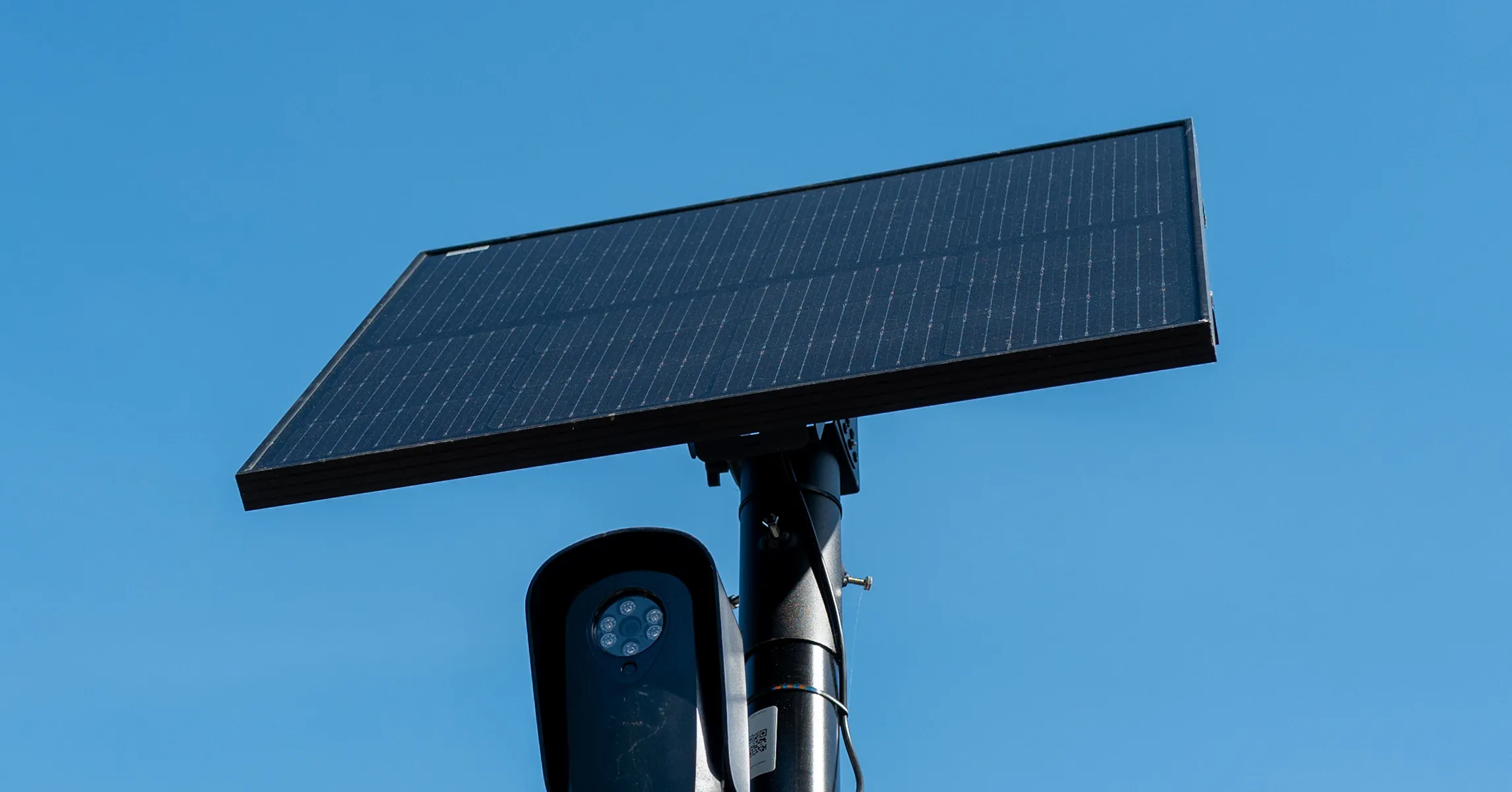
US lawmakers are set to introduce a bipartisan amendment to the federal highway bill that would prohibit recipients of federal highway funding from using automated license plate readers (ALPR) for any purpose other than toll collection. Sponsored by Republican Representative Scott Perry of Pennsylvania and Democratic Representative Jesús “Chuy” García of Illinois, the measure aims to strip states and localities of federal road money unless they dismantle or restructure their ALPR programs. The House Transportation and Infrastructure Committee is scheduled to mark up the underlying $580 billion, five-year reauthorization of federal surface transportation programs at 10 am ET on Thursday.
The amendment, obtained first by WIRED, consists of a single sentence stating that a recipient of assistance under Title 23 of the United States Code may not use automated license plate readers for any purpose other than tolling. This legislative approach leverages Congress’s spending power to attach conditions to federal funding, a strategy similar to past restrictions on the drinking age and DUI standards. By conditioning roughly a quarter of all public road mileage funding on the removal of the technology, the measure would effectively ban state and local ALPR programs across the United States, as virtually all jurisdictions rely on federal highway money.
ALPR cameras, mounted on poles, overpasses, and police cruisers, photograph passing license plates and log times and locations into searchable databases shared across agencies. The bipartisan coalition behind the amendment converges on surveillance concerns that have intensified as ALPR networks have become a pervasive layer of American road infrastructure. Neither Perry nor García’s offices immediately responded to WIRED’s request for comment regarding the specific political strategy behind the measure.
Privacy advocates have long warned that the aggregation of license plate data amounts to a de facto warrantless tracking system. The Brennan Center for Justice has documented the integration of ALPR feeds into police data-fusion systems, while the Electronic Frontier Foundation has highlighted misuse, including the targeting of mosques and disproportionate deployment in low-income neighbourhoods. Court records revealed that a Texas sheriff’s deputy queried Flock Group’s nationwide network to track a woman because she “had an abortion,” underscoring the potential for abuse of the technology.
In Illinois, where García’s district sits, Secretary of State Alexi Giannoulias found that Flock Group violated state law by giving US Customs and Border Protection access to ALPR data, ordering the company to cut off federal access. Meanwhile, the Institute for Justice filed a class action lawsuit in April against San Jose, California, alleging its 474-camera network violates Fourth Amendment rights. The database captured over 360 million photographs in 2024 and was searched roughly 15,000 times a day in late 2025. Federal courts have been hesitant to rule that ALPR queries categorically constitute a Fourth Amendment search, prompting Congress to address the issue through legislation rather than litigation.
