US judge blocks Musk-SEC settlement, citing corruption concerns
Judge Sparkle Sooknanan refuses to approve the deal without further explanation, highlighting red flags including the reduced penalty and the structure of the payment.
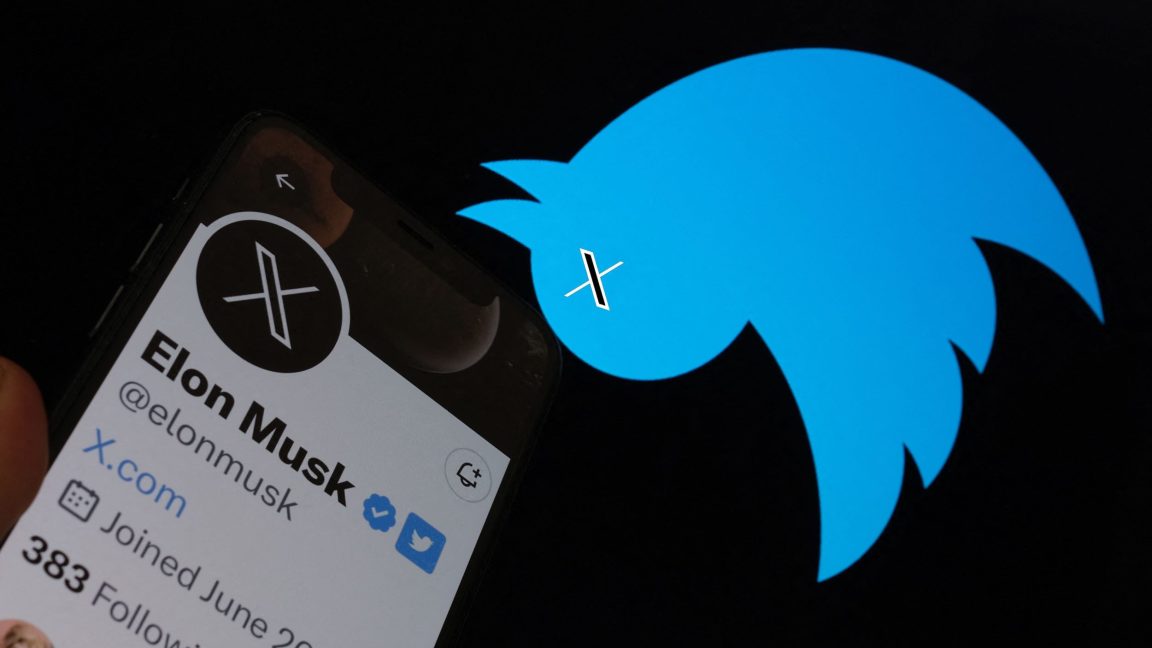
A federal judge in the US District Court for the District of Columbia has refused to approve a proposed settlement between Elon Musk and the Securities and Exchange Commission (SEC), citing concerns over potential corruption and special treatment by the Trump administration. Judge Sparkle Sooknanan stated she would not "rubber-stamp" the agreement, which allows Musk to pay a $1.5 million fine via a trust to resolve a lawsuit that originally sought at least $150 million.
The lawsuit stems from Musk’s failure to disclose a 9 per cent stake in Twitter within the required 10-day timeframe in 2022, prior to his acquisition of the social network. The SEC argued that the late disclosure allowed Musk to purchase additional shares at artificially low prices, underpaying shareholders by at least $150 million. Under the proposed settlement, the penalty would be paid by a trust in Musk’s name, and he would not admit to committing any violation.
Sooknanan identified several "red flags" during a recent hearing, including the significant reduction in the penalty from $150 million to $1.5 million and the use of a trust structure rather than a direct payment from Musk. She also noted that SEC lawyers appeared surprised at a prior hearing to learn that settlement talks had already commenced, a development she described as another concerning indicator.
The scrutiny comes against a backdrop of political tension regarding the independence of regulatory bodies. The Trump administration issued an executive order declaring that independent agencies, including the SEC, must take orders from the president. This contrasts with the SEC’s historical operational independence and raises questions about the fairness of the settlement process.
SEC attorney Nicholas Grippo told the judge he was "happy to answer" questions regarding the fairness and process of the deal. Sooknanan has ordered both parties to submit a brief by 1 June explaining how the agreement was reached, specifically addressing why the settlement involves a trust tied to Musk rather than the billionaire himself.
This development follows previous judicial rejections of Musk’s legal strategies. In February 2026, Sooknanan rejected Musk’s motion to dismiss the case and his attempt to transfer the lawsuit to Texas. The SEC originally filed the lawsuit in January 2025, with days remaining in the Biden presidency, after reportedly asking Musk to pay over $200 million to settle the allegations in December 2024.
The disclosure rule at issue is enforced under a "strict liability" standard, meaning intent is not a factor in determining a violation. Sooknanan previously noted that precedents require the court to consider whether a settlement is fair, adequate, reasonable, and appropriate, and whether it was tainted by improper collusion or corruption.
