US-Iran strikes threaten fragile ceasefire as markets rally on Beijing summit
American forces intercepted drones over the Strait of Hormuz while reports indicate attacks on Kuwait and Bahrain, occurring concurrently with a high-stakes trade and AI summit in Beijing.
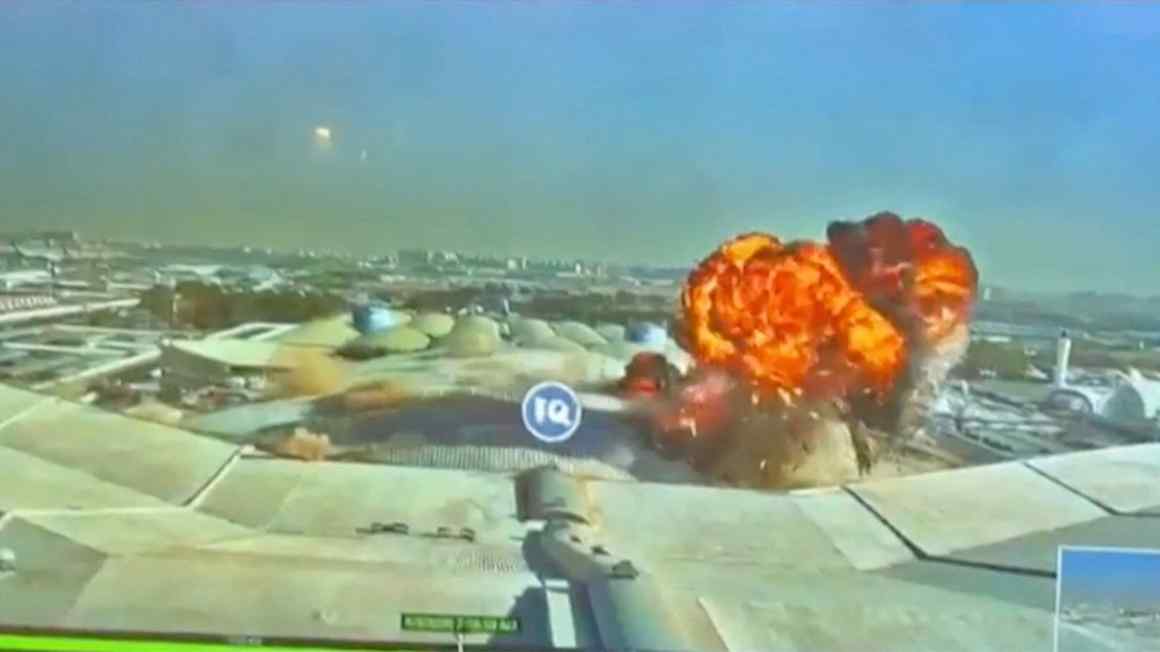
Tensions between the United States and Iran have escalated sharply, with both nations exchanging strikes that pose a direct threat to an already shaky ceasefire. According to reports from the Financial Times, American military assets intercepted drones launched over the Strait of Hormuz, a critical global shipping lane. The incident marks a significant deterioration in regional stability, with Kuwait and Bahrain also reported as targets in the attacks.
The military developments unfold against the backdrop of a major diplomatic engagement in Beijing, where President Donald Trump and Chinese President Xi Jinping have commenced a two-day summit. This marks the first visit by an American president to China since 2017. The agenda for the talks is broad, covering critical issues such as trade relations, artificial intelligence regulation, and the security of the Strait of Hormuz.
Despite the geopolitical friction in the Middle East, US financial markets responded positively to the diplomatic progress in China. On Thursday, the Dow Jones Industrial Average gained 0.8%, while the S&P 500 rose by 0.3% and the Nasdaq Composite climbed 0.2%. Investors appeared to prioritise the potential for reduced trade barriers and clearer regulatory frameworks over the immediate security risks in the Gulf region.
Corporate sentiment also showed strength, particularly in the technology sector. Nvidia shares surged more than 2% after the US government approved the sale of its H200 chips to Chinese firms. The approval was seen as a significant concession in the ongoing negotiations, drawing high-profile industry leaders to the summit, including Elon Musk, Tim Cook, and Jensen Huang.
While the military exchanges in the Middle East highlight the fragility of the current ceasefire, the concurrent diplomatic efforts in Beijing suggest a complex interplay of global power dynamics. The outcome of the US-China talks could have lasting implications for global supply chains and market stability, even as security concerns in the Strait of Hormuz remain unresolved.