US-Iran peace talks stall as air strikes resume near Strait of Hormuz
Negotiations between Washington and Tehran have entered a new month at an impasse, coinciding with the resumption of military hostilities and a social media campaign by the US president targeting his critics.
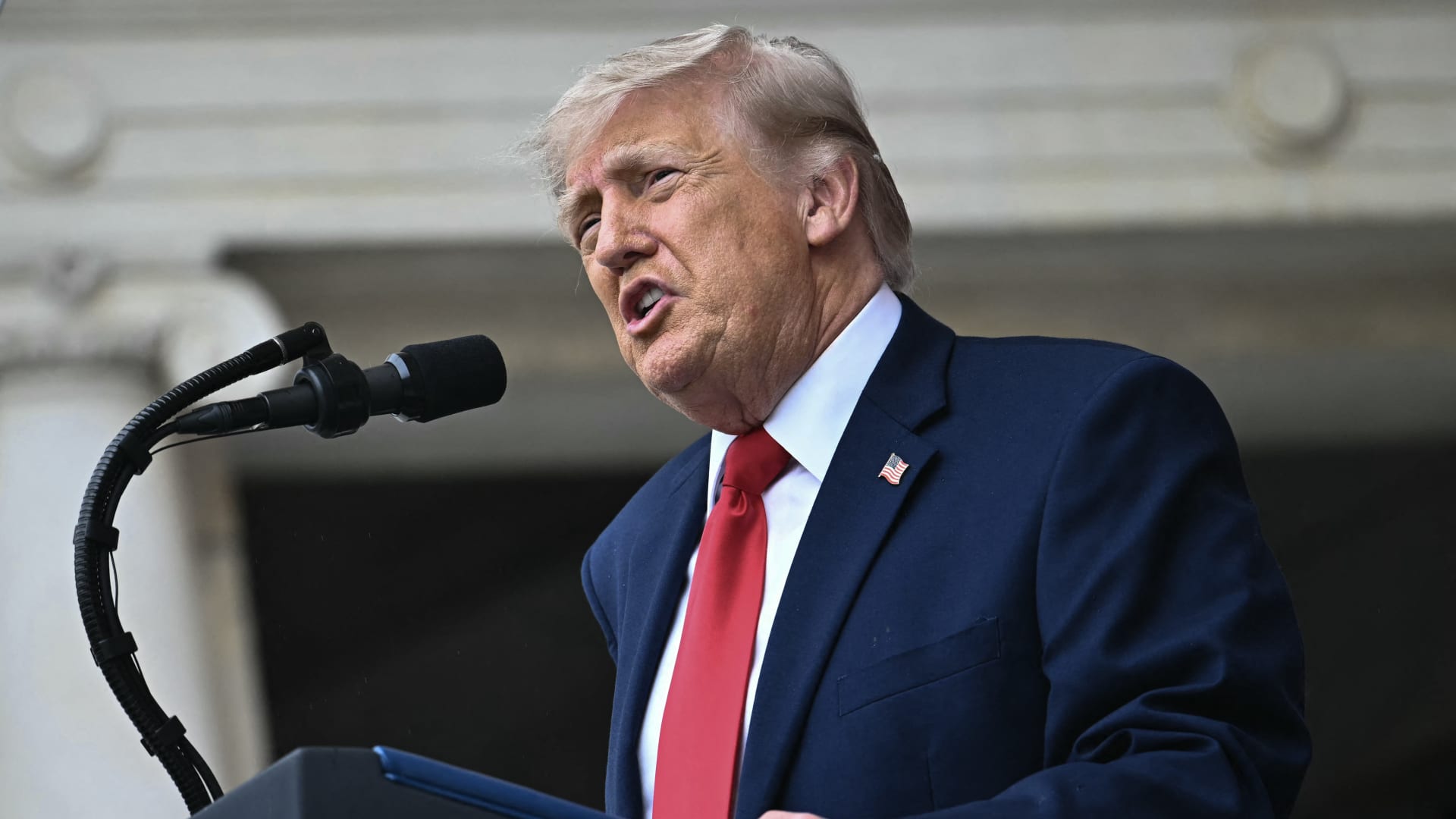
Diplomatic negotiations between the United States and Iran have entered a new month at a standstill, as reported by CNBC. The stagnation in talks coincides with the resumption of air strikes between the two nations over the weekend, marking a significant escalation in regional tensions.
US President Donald Trump posted on Truth Social to criticise his detractors, referring to them as "chirping". The comments were issued as the diplomatic process failed to yield an agreement, with the conflict entering a new phase of hostility that contradicts previous de-escalation efforts.
The military escalation involves air strikes against military facilities near the Strait of Hormuz. This exchange of fire directly violates a ceasefire that has been in effect since 8 April, undermining ongoing attempts to stabilise the region and resolve the underlying geopolitical disputes.
Reports indicate that President Trump had requested edits to a proposed peace deal. The framework reportedly included a 60-day cessation of violence, the reopening of the Strait of Hormuz, and a structure for renegotiating Iran’s nuclear program.
Iran has dismissed Trump’s request for changes to the proposal as speculation. The rejection of these terms, combined with the renewed military action, has left the peace talks in a state of impasse as both nations continue to engage in hostilities.
The breakdown in diplomatic de-escalation efforts highlights the fragility of the current arrangement. The resumption of air strikes signals a return to active conflict, raising concerns about the stability of the Strait of Hormuz and the broader geopolitical landscape.
As negotiations remain stalled, the focus shifts to whether further diplomatic channels can be reopened or if the region is poised for prolonged conflict. The situation remains fluid, with both military and diplomatic fronts active and unresolved.