US Intelligence Bill Stalls as Lawmakers Clash Over Acting DNI Appointment
Democrats and Republican holdouts demand withdrawal of the housing official’s appointment, while experts note surveillance operations remain authorised by the Foreign Intelligence Surveillance Court until March 2027.
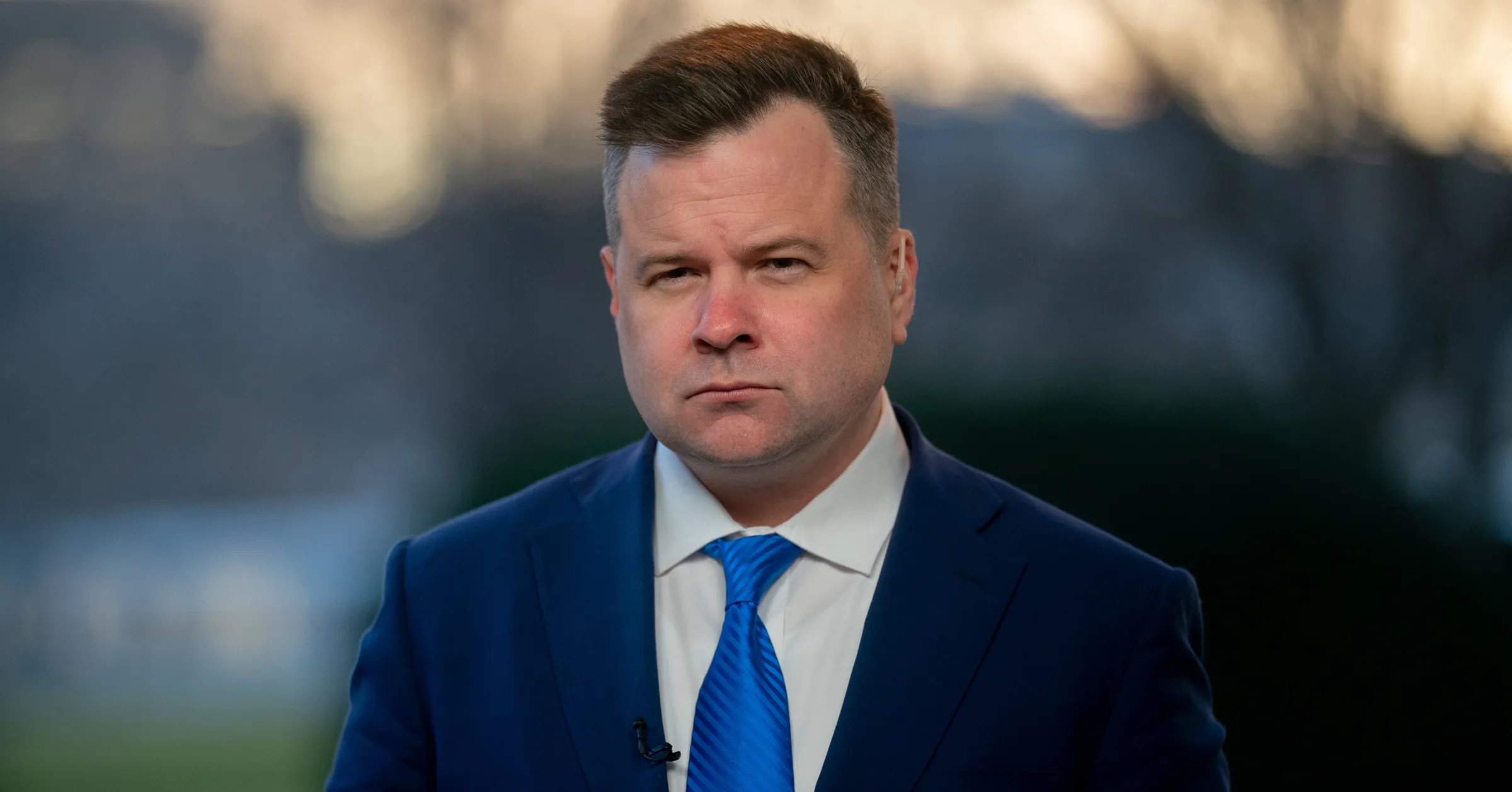
US lawmakers have stalled the reauthorisation of Section 702 of the Foreign Intelligence Surveillance Act following President Donald Trump’s appointment of Bill Pulte as acting director of national intelligence. The legislation, which permits warrantless surveillance of foreign targets, faces a statutory lapse on 12 June 2026 if Congress fails to act. Pulte, a former Federal Housing Finance Agency official with no intelligence background, has become the primary political obstacle to renewal, drawing sharp opposition from Democrats and several Republicans who cite his lack of qualifications and history of referring Trump critics to the Justice Department.
The appointment has fractured a previously workable bipartisan path to renewal. Senate leaders were unable to muster enough votes to begin debate after Pulte was named as Tulsi Gabbard’s replacement, with seven Republicans joining Democrats in opposition. Senate Majority Leader John Thune stated the administration is considering naming a permanent, Senate-confirmed director, while Senate Judiciary Chairman Chuck Grassley noted that Section 702 materials generate approximately 60 percent of the President’s Daily Brief. However, Senator John Cornyn insisted that Democrats will not vote for renewal until Pulte is withdrawn.
House Minority Leader Hakeem Jeffries described Pulte as deeply unqualified and dangerous, highlighting his lack of national security or law enforcement experience. Jeffries stated that withdrawing the appointment is a necessary starting point for negotiations, but not sufficient on its own. He emphasised the need for reforms to provide guardrails and protect American citizens, noting that Pulte had previously sent criminal referrals to the Justice Department alleging mortgage fraud against high-profile critics including New York Attorney General Letitia James and Senator Adam Schiff.
Despite warnings from some Republican leaders about imminent national security risks during upcoming events, experts and legal filings indicate that a total shutdown of surveillance capabilities is not imminent. The Foreign Intelligence Surveillance Court has authorised continued collection under existing orders until March 2027. Hajar Hammado of Demand Progress argued that threats to national security during the World Cup are being used as fearmongering to block votes on warrant requirements, which she described as popular bipartisan reforms.
The standoff coincides with ongoing disputes over transparency. Senator Ron Wyden reported that warrantless searches sweeping in Americans more than tripled in 2025, citing a still-secret Foreign Intelligence Surveillance Court opinion from March. Additionally, the FBI disclosed in a Freedom of Information Act filing that it has identified roughly 39,650 pages of Section 702 noncompliance records, which it will not release until mid-August. While some Republicans, including Representative Keith Self, dismissed warnings of a security blackout as hysteria, Republican committee chairs have asked the administration to plan for a potential collection gap.