US inflation hits three-year high as Iran conflict drives gas prices to $4.50
Core inflation also accelerated, prompting warnings of broadening price pressures ahead of a Federal Reserve policy meeting and leadership transition.
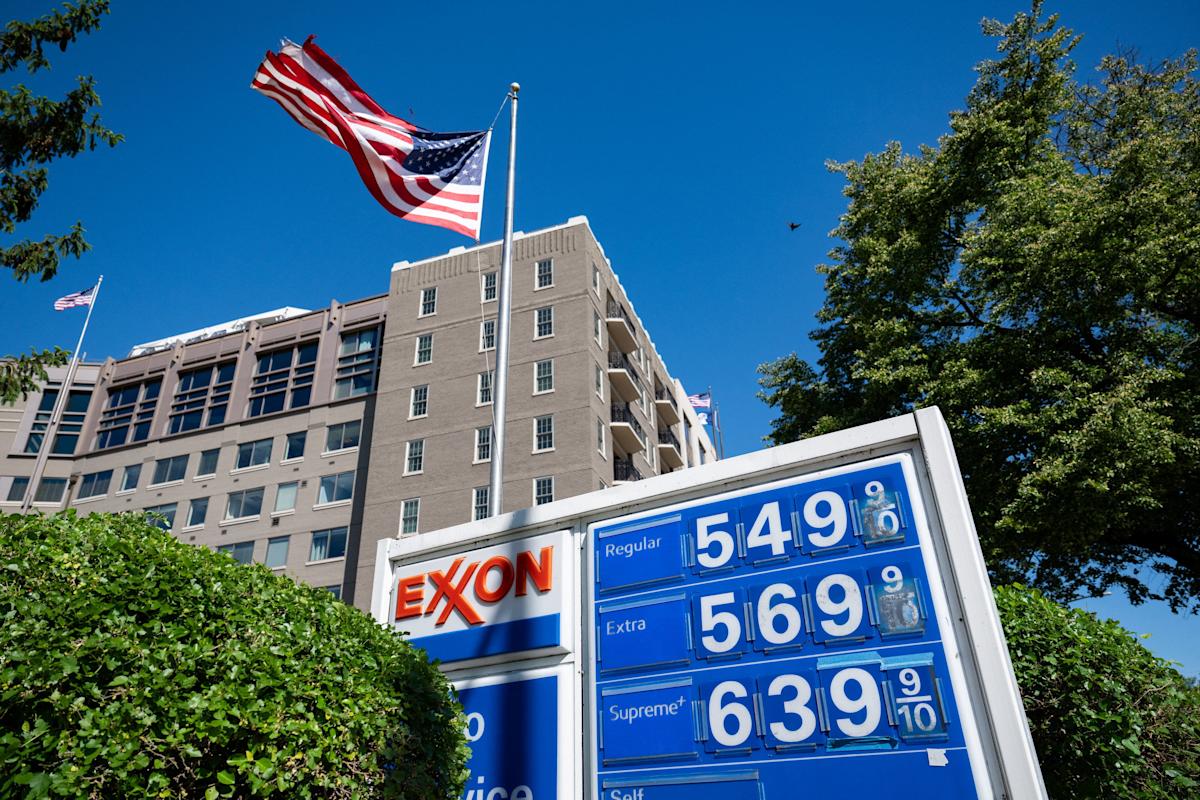
US inflation reached its highest level since 2023 in April, with the Bureau of Labor Statistics reporting a 0.6% monthly rise in the consumer price index and a 3.8% increase year-on-year. The figures exceeded market forecasts, driven primarily by a 5.4% surge in gas prices linked to oil cost spikes following the Iran war and the effective closure of the Strait of Hormuz. Over the past year, fuel prices have climbed 28.4%, continuing a trend that began with a record 21.2% spike in March.
The broader economy is showing signs of widening pressure, as core inflation excluding volatile food and energy costs rose 0.4% in April. This marks an acceleration from previous months and has drawn attention from market strategists who view the uptick as a signal of entrenched price dynamics. While headline inflation remains heavily influenced by energy, the rise in core metrics suggests that cost pressures are permeating other sectors, complicating the outlook for monetary policy.
Household budgets are facing immediate strain, with the national average price of regular unleaded gas reaching $4.50 per gallon as of May 12. A Numerator survey found that 93% of car owners reported price increases in their area during April, leading 72% to cut back on other discretionary spending. Data from SoLo Funds indicates that apparel spending fell approximately 1.8% from February to March, suggesting families are prioritising fuel over retail purchases. Higher-income earners continue to absorb these costs through larger fill-ups, while budget-conscious consumers are reducing volume or delaying purchases.
Food costs are also contributing to the inflationary environment. The BLS food at home index increased 0.7% in April, following a slight dip in March, with annual food prices up 2.9%. Specific categories saw notable increases, including beef prices rising 2.7%, meats and eggs up 1.3%, and fruits and vegetables increasing by 1.8%. Food-away-from-home prices also rose, climbing 0.2% for the month and 3.6% over the year, adding to the cost of living for consumers.
Political responses have emerged alongside the economic data, with President Donald Trump and Senator Josh Hawley proposing the suspension of the federal gas tax for at least 90 days. Meanwhile, the Federal Reserve faces a pivotal moment as Jerome Powell’s term as chair ends on May 15, with Kevin Warsh expected to be confirmed as his successor. Policymakers are anticipated to hold rates steady at their mid-June meeting, though forecasters are increasingly pricing in the possibility of a rate hike given stable unemployment and positive job growth.