US inflation accelerates to 4.2% as Iran conflict drives energy surge
Rising energy costs and eroding real wages intensify financial pressure on households, while markets price in a shift away from monetary easing.
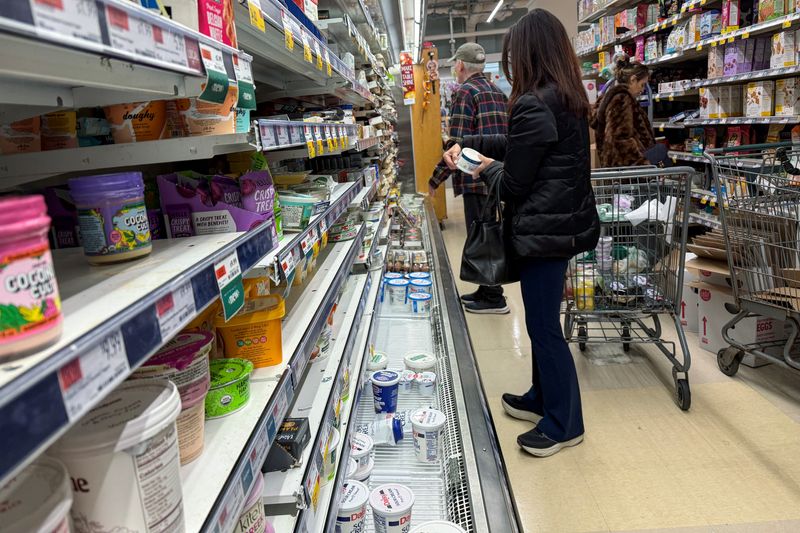
US consumer inflation accelerated to its fastest pace in three years in May, with the Consumer Price Index rising 4.2% year-on-year, according to data released by the Labor Department. The increase, which followed a 3.8% rise in April, was primarily driven by a 23.5% surge in energy prices over the 12 months through May, linked to the ongoing conflict with Iran and the closure of the Strait of Hormuz.
The data underscores mounting financial pressure on households, as real average hourly earnings fell 0.7% in the 12 months through May, marking the second consecutive month of erosion. Heather Long, chief economist at Navy Federal Credit Union, noted that Americans are facing genuine financial squeezes, particularly among middle-class and lower-income groups, as consumers increasingly tap savings to fund spending.
Energy prices rose 3.8% in the month of May, contributing more than 60% of the monthly CPI increase. Gasoline prices accelerated 7.0% over the month and were up 40.5% from a year ago. Airline fares also advanced 2.7% in May, reflecting higher jet fuel costs, while rents increased 0.4%, with owners' equivalent rent rising 0.3%.
Despite the headline inflation spike, core CPI, which excludes volatile food and energy components, increased 2.9% year-on-year in May, up from 2.8% in April. The monthly core gain was 0.2%, a slowdown from April’s 0.4% rise, partly offset by a 1.7% drop in motor vehicle insurance prices, the largest decline since October 2020.
The inflation data reinforces expectations that the Federal Reserve will maintain interest rates in the 3.50%-3.75% range at its next meeting and abandon its easing bias. While some economists note the inflationary impact remains largely confined to the transportation and energy sectors, the surge has reignited fears of potential rate hikes, with gold prices falling below $4,200 per troy ounce and Treasury yields rising.
President Donald Trump, whose approval ratings have tumbled amid frustration over economic conditions, stated he "loves the inflation" and predicted it would decrease once the US-led war with Iran ends. However, with the conflict now in its fourth month and tit-for-tat strikes continuing, the political liability of rising prices remains a significant factor ahead of the November midterm elections.