US imposes export controls on Anthropic AI models amid national security concerns
The federal directive on Anthropic’s Mythos and Fable models has triggered a complex reaction involving cybersecurity experts, international competitors, and calls for stricter regulation.
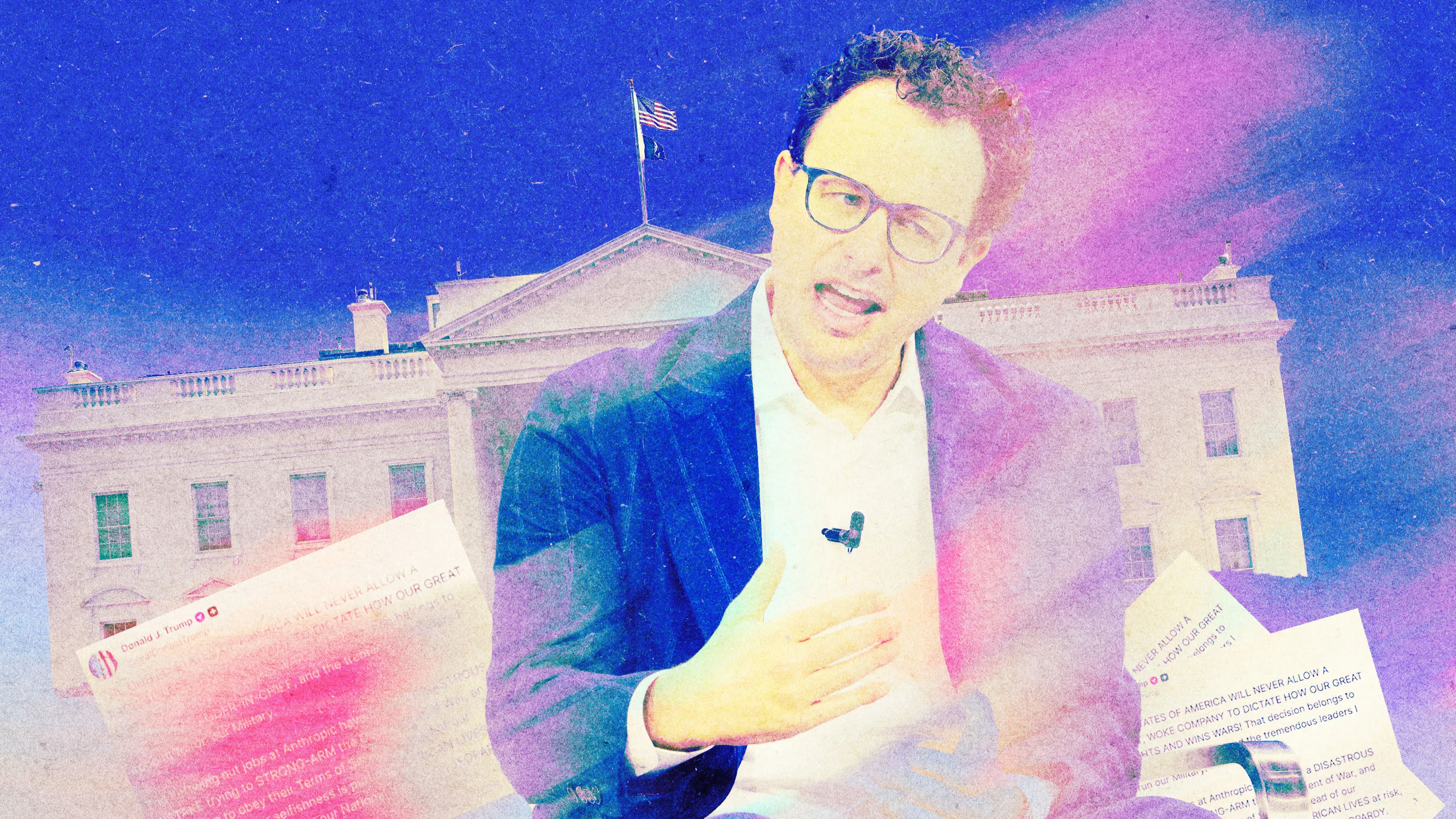
The US federal government has placed export controls on Anthropic’s artificial intelligence models, Mythos and Fable, citing national security threats arising from their advanced coding capabilities. Following the directive, Anthropic revoked public access to both models shortly after the announcement. The incident has intensified the debate surrounding AI safety protocols, the potential shift towards Chinese open-source AI alternatives, and pressure for new federal AI regulations.
Anthropic initially developed Mythos, a model capable of posing global cybersecurity threats through code generation, and shared it with a select group of cybersecurity experts. A modified, supposedly safer version, Fable, was released to the public on Tuesday, 9 June. The government issued its threat assessment and export controls on the Friday following Fable’s release. Amazon CEO Andy Jassy reportedly alerted government officials to the dangers posed by Fable; Amazon is both an investor in Anthropic and a competitor in the AI space.
French politician Bruno Retailleau described the event as a wake-up call for Europe to accelerate its own AI development. Shares in Chinese AI startup Zhipu have risen, suggesting market interest in Chinese models as an alternative to US restrictions. Leading cybersecurity experts signed an open letter arguing that restricting access to Anthropic’s models may leave the country more vulnerable to cyberattacks by hindering defensive research.
The article references a previous feud between Anthropic and the Pentagon regarding military use of its models, which led to new legislative bills defining limits on military AI. The text notes a shift in US administration policy under President Trump, who previously discarded restrictive AI safety rules, contrasting with the current administration’s actions. Doomsday concerns have long advocated for government intervention, with the concept of nonproliferation being applied to software, analogous to uranium controls for nuclear weapons.
Chinese open-source AI models are described as highly capable, inexpensive, and free of guardrails, making them attractive to entities seeking to avoid US regulatory restrictions. Polling indicates majority public support for federal AI regulation, although lawmakers have yet to establish clear frameworks for model safety vetting or consumer protections. The US AI landscape is currently shaped primarily by private companies and the White House, with legislative oversight still in early stages.
