US House advances bill to make daylight saving time permanent
The Sunshine Protection Act moves closer to law, though sleep experts warn of health risks and circadian misalignment associated with permanent daylight saving time.
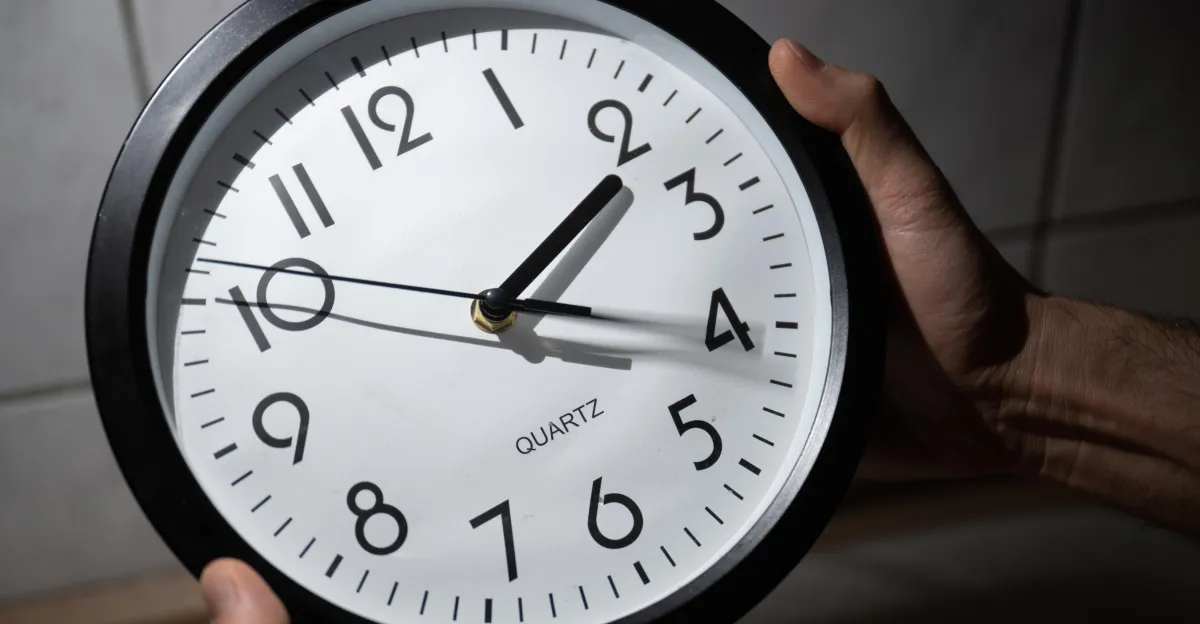
US lawmakers have advanced the Sunshine Protection Act, a measure designed to make daylight saving time permanent nationwide. The House voted 308 to 117 on Tuesday to move the bill forward, marking a significant step toward eliminating the twice-yearly clock changes that currently govern timekeeping across the United States.
President Donald Trump has publicly endorsed the legislation, arguing it offers both economic and practical benefits. In a statement posted to Truth Social in May, Trump wrote that the bill would save "hundreds of millions of dollars" spent by individuals, cities, and states on the annual transition. He described the current system as a "ridiculous, twice yearly production" that wastes time and effort.
The push for permanent daylight saving time has been accompanied by long-standing debate regarding its impact on public health. The American Academy of Sleep Medicine advocated for permanent standard time in 2022, citing research that suggests standard time aligns better with human circadian biology. Sleep experts warn that the current daylight saving schedule, which shifts clocks forward in spring, exposes the body to less morning light and more evening light, potentially disrupting natural rhythms.
Medical professionals have linked the biannual time change to increased risks of heart attacks, strokes, and traffic accidents, often attributing these spikes to sleep loss. Phyllis Zee, a sleep medicine specialist at Northwestern Medicine, noted that the misalignment with natural light cycles can throw off the body's internal clock, suggesting that permanent standard time would be the healthier option.
If enacted, the bill would have significant implications for sunrise and sunset times during winter months. Under permanent daylight saving time, the sun would rise at 8:17am and set at 5:53pm in New York on 15 January. Similar shifts would occur in other major cities, with sunrise in Seattle occurring at 8:52am and sunset at 5:45pm on the same date.
Arizona and Hawaii remain exempt from the bill, as they do not observe the biannual clock changes. Arizona does not observe daylight saving time, while Hawaii does not observe it at all. Meanwhile, 19 other states, including Alabama, Oregon, Minnesota, and Texas, have passed legislation to adopt permanent daylight saving time. However, these states cannot enforce the change until federal law is amended to allow such a shift.
The economic argument for eliminating clock changes has been a recurring theme in the debate. In 2013, the American Enterprise Institute estimated the "opportunity cost" of changing clocks at $2 billion. However, fact-checking organisations have noted that this argument is less relevant today, as digital clocks automate the switch, reducing the manual labour previously associated with the transition.
