US Hospitals Turn to Indian Nurses Amid Decade-Long Visa Backlogs
As the United States faces a projected 189,100 annual nursing openings, hospitals are increasingly relying on Indian talent, though visa queues can now stretch beyond ten years.
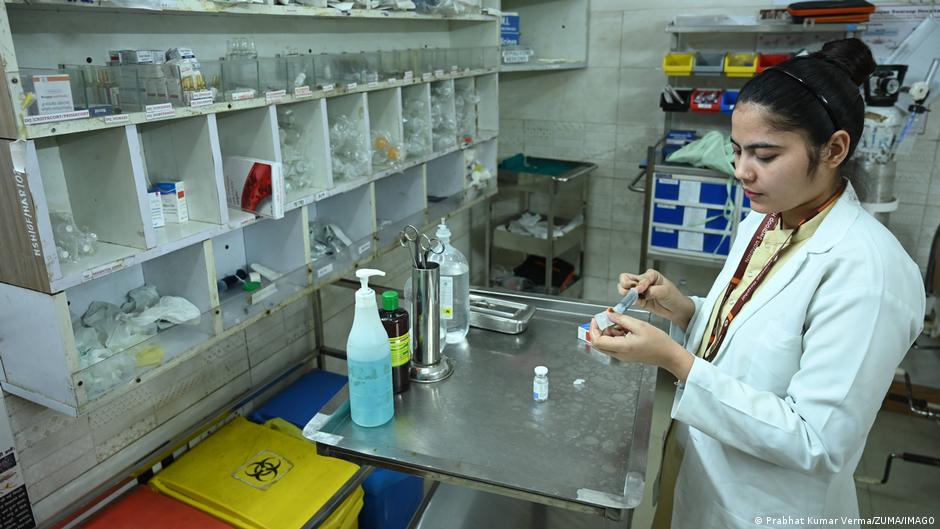
US healthcare facilities are intensifying their recruitment of nurses from India to address a critical workforce deficit, despite immigration backlogs that can delay visas for more than a decade. With the US Bureau of Labor Statistics projecting 189,100 registered nurse openings annually between 2024 and 2034, driven by an aging population and widespread retirements, hospitals are looking overseas to fill gaps that domestic training cannot immediately resolve.
India has emerged as the second-largest source of immigrant-registered nurses in the United States, trailing only the Philippines. According to the Migration Policy Institute, approximately 32,000 Indian-born nurses are currently working in the country, representing roughly 6% of all immigrant nurses. This figure is supported by data from healthcare workforce agency Sparrth, which notes that India also produced the second-highest number of NCLEX candidates in 2024, with 5,869 graduates sitting the licensing exam.
The majority of these recruits originate from Kerala, a region with a long tradition of overseas migration and English-language education. Louie Terence, operations manager at Tiju's Academy, noted that Kerala nurses are well-trained, speak good English, and are known for their dedication. The Indian Nursing Council’s curriculum aligns closely with US nursing standards, facilitating smoother credential evaluations for applicants seeking employment in American hospitals.
Despite the promise of better pay and career growth, the path to the US is increasingly obstructed by immigration policy. Nurses beginning the process today may face waits of over ten years for an immigrant visa. Recruitment agencies such as Affniks International continue to file petitions, hoping for streamlining, but many applicants must secure job offers and complete credential verification while their priority dates remain current.
Rather than remaining idle in India, many nurses spend years working in intermediate markets such as the UAE, Saudi Arabia, the UK, and Germany. US immigration attorney Rajkrishna S Iyer observed that this extended waiting period often alters family circumstances, forcing some to rethink their plans. Ancy Philip, a Kerala-born nurse who moved to California in 2006, described the current flow as a "trickle compared with before," noting that while the quality of Indian nurses remains high, the process has become significantly more difficult.
The retention of experienced staff remains a pressing concern for the Indian healthcare system. Orthopedic surgeon Dhananjay Gupta highlighted that an experienced scrub nurse is an integral part of the medical team and cannot be replaced overnight. As hospitals continue to invest heavily in training, the exodus of skilled professionals to countries with less restrictive immigration pathways poses a persistent challenge to domestic workforce stability.