US hospitality sector signals caution over 2026 World Cup amid visa restrictions
With the tournament scheduled to begin in June, hoteliers in key host cities warn that strict vetting processes and high costs are transforming the event into a 'non-event' for many.
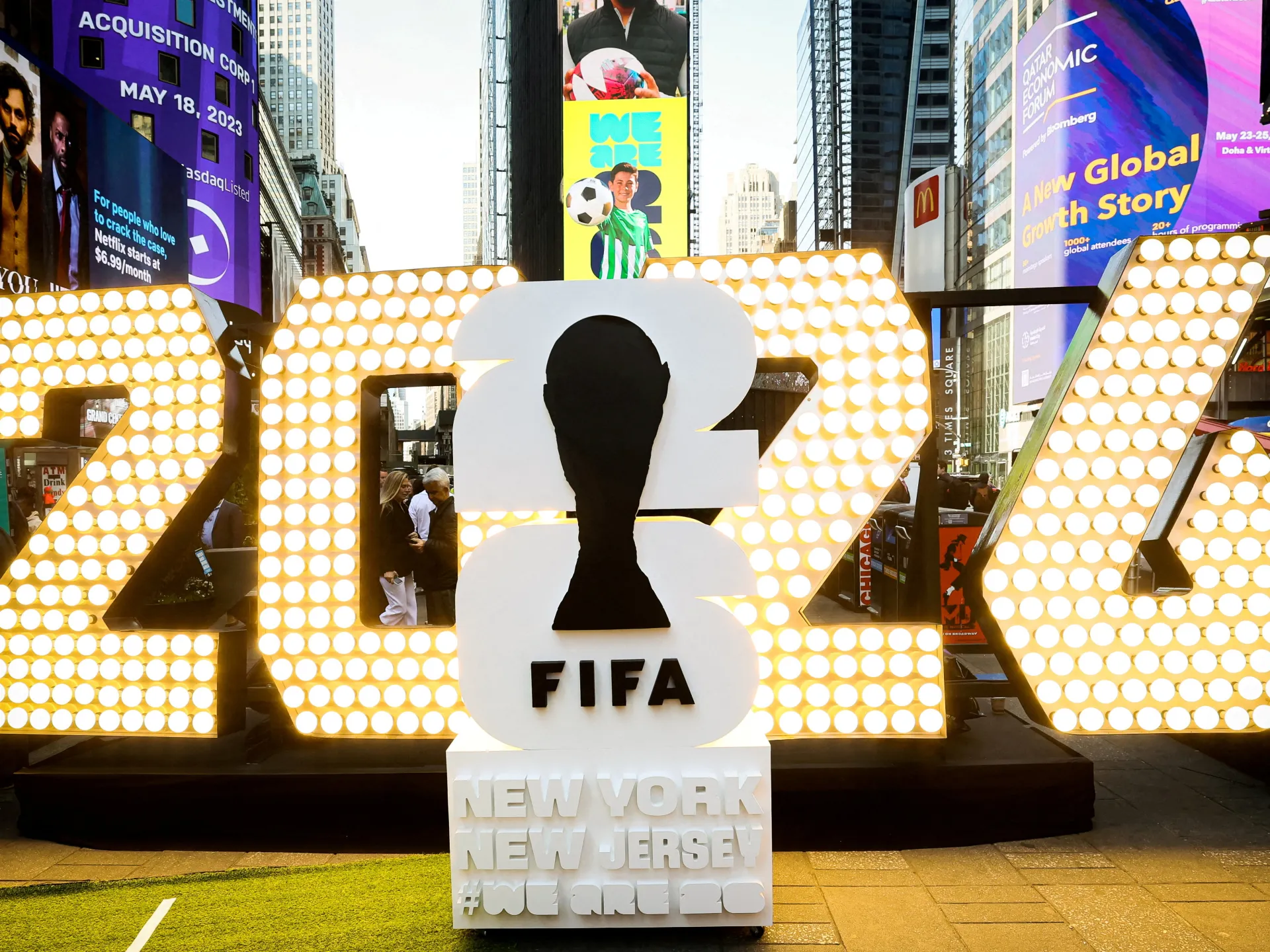
The American Hotel and Lodging Association has released findings indicating that hotel reservations in the United States for the 2026 FIFA World Cup are tracking significantly below initial forecasts. The survey, conducted across the eleven metropolitan areas designated to host matches, found that approximately eighty per cent of respondents reported bookings lagging behind expectations. This downturn marks a sharp deviation from the early optimism that characterised the lead-up to the tournament.
Industry leaders point to specific structural barriers as the primary drivers of this shortfall. About sixty-five per cent of respondents identified visa barriers and broader geopolitical concerns as the key factors suppressing demand. Despite assurances from the US administration that ticket holders would be facilitated, the strict vetting procedures implemented by the Trump administration have created friction for international travellers. Consequently, hoteliers in major host cities such as Boston, Philadelphia, San Francisco, and Seattle have begun describing the tournament as a 'non-event'.
The political landscape surrounding the event has further complicated the hospitality outlook. While US President Donald Trump has frequently promoted the nation's role as a co-host alongside Mexico and Canada, his administration has simultaneously enforced a wide-ranging crackdown on visitor visas. This policy approach contrasts with the administration's public commitments to FIFA, leaving many potential attendees uncertain about their ability to enter the country. The tension between high-level promotion and restrictive entry policies has clearly resonated with the market.
Market distortions from earlier in the year have also contributed to the current reality. Respondents noted that mass room bookings made by FIFA, many of which have since been cancelled, created an artificial early demand signal that has now corrected. In cities like Kansas City, the reality of the situation is stark, with bookings falling so far below expectations that rates are lagging below normal seasonal levels for June and July.
Consumer sentiment remains cautious regarding the broader financial implications of attending the tournament. Fan groups have expressed worry over high ticket prices, price gouging on the secondary market, and associated transport costs. These economic factors, combined with the administrative hurdles regarding entry, have tempered enthusiasm for the event.
AHLA President Rosanna Maietta stated that while early optimism has been tempered, forward indicators still show meaningful opportunity, provided the US and FIFA ensure a seamless experience for international travellers. The tournament is scheduled to commence on 11 June in Mexico City and conclude on 19 July in New Jersey, with the outcome of the hospitality sector's performance hinging on resolving these access and cost issues.