US home sales stagnate in April as mortgage rates climb and geopolitical tensions rise
Data from CNBC indicates that April figures failed to meet expectations, with a sharp spike in mortgage rates the previous month and uncertainty regarding the war with Iran acting as primary headwinds for the market.
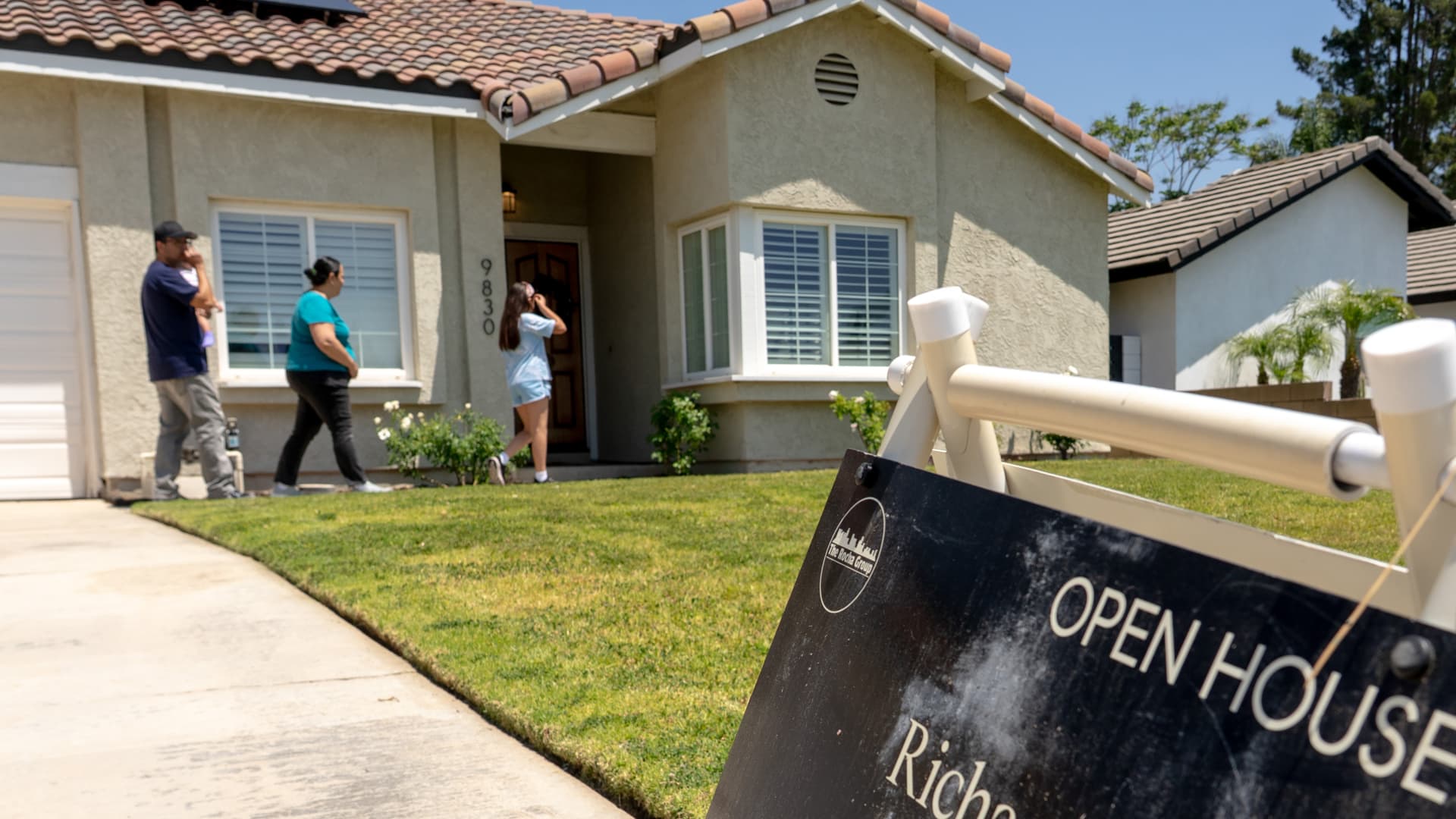
US home sales recorded minimal growth in April, failing to meet market expectations as the sector grappled with a confluence of economic and geopolitical pressures. The stagnation in the housing market occurred following a sharp increase in mortgage rates during the month preceding the release of the data, creating a challenging environment for prospective buyers.
According to reports from CNBC, the primary driver behind the disappointing performance was the rapid escalation in borrowing costs. This spike in mortgage rates significantly weighed on consumer confidence, effectively halting momentum in a sector that had previously shown more robust activity. The lack of movement in sales figures suggests that the cost of entry for homeownership has become a prohibitive factor for many potential purchasers.
Compounding the financial headwinds was a distinct rise in consumer uncertainty stemming from the ongoing war with Iran. Geopolitical tensions of this nature often ripple through the broader economy, influencing household spending habits and risk appetite. In this instance, the conflict contributed to a cautious outlook among consumers, further suppressing demand for major purchases such as residential property.
The combination of these factors resulted in a quarter where home sales barely moved, leaving analysts and institutions to reassess the trajectory of the housing market. While broader financial markets have seen significant activity in technology sectors, the residential real estate sector remained subdued due to these specific economic and geopolitical headwinds. The disconnect between the broader market rally and the housing sector's performance highlights the unique sensitivity of real estate to interest rate fluctuations and global stability.
As the data from April is digested, the focus remains on whether these external pressures will persist or if they will eventually ease. The interplay between rising mortgage rates and geopolitical uncertainty has created a fragile demand environment, suggesting that any recovery in the housing market will likely depend on stabilisation in both monetary policy and international relations.