US fuel costs surge $40bn amid Trump-Iran conflict
Americans face an estimated $40 billion in additional fuel expenditure as geopolitical tensions with Iran escalate, a figure that surpasses the estimated costs for repairing national bridges or overhauling air traffic control systems.
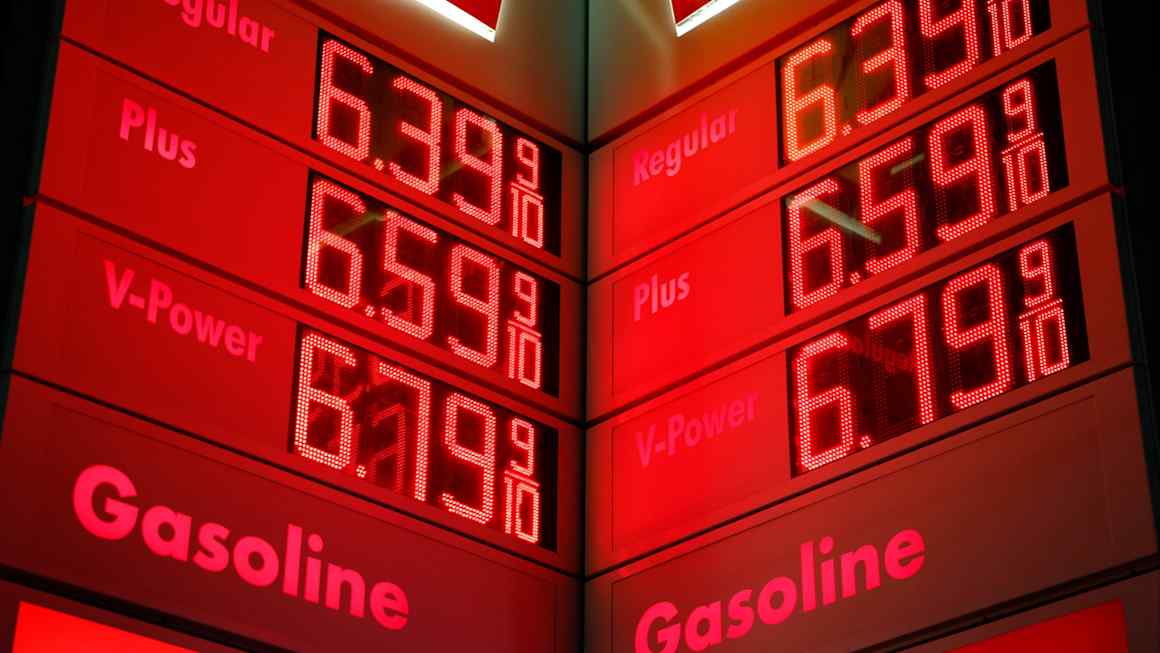
The United States is confronting an estimated $40 billion in additional expenditure on petrol and diesel, a financial burden attributed to the ongoing conflict between the Trump administration and Iran. According to an analysis by the Financial Times, this surge in consumer fuel costs exceeds the estimated financial outlay required to repair the country’s bridges or reboot its air traffic control system.
The escalation in fuel prices stems from stalled diplomatic efforts between Washington and Tehran. Negotiations have ground to a halt over competing nuclear demands, with Iranian media reporting that the US failed to offer concrete concessions in its latest response to Iran’s proposed agenda.
Iran’s Fars news agency stated that Washington’s counter-proposal included demands for Iran to operate only one nuclear site and to transfer its stockpile of highly enriched uranium to the United States. The report further indicated that Washington refused to release even 25 percent of Iran’s frozen assets, a key sticking point in the negotiations.
The source material characterises the current geopolitical situation as “Trump’s Iran war,” reflecting the intensity of the diplomatic breakdown. This terminology underscores the significant economic ripple effects extending beyond the immediate security concerns, directly impacting American households through higher energy prices.
While the specific methodology for calculating the $40 billion figure is not detailed in the source, the comparative assertion highlights the scale of the economic impact. The extra spending on fuel now outweighs the estimated costs for major infrastructure repairs, including bridge maintenance and air traffic control system overhauls, marking a substantial shift in national expenditure priorities.