US Evangelicals Question Alignment of Trump’s Politics with Christian Values
A critical part of Donald Trump’s support is raising questions about whether his public rhetoric and policy direction reflect the values of their religious community, marking a notable shift in the traditional alliance.
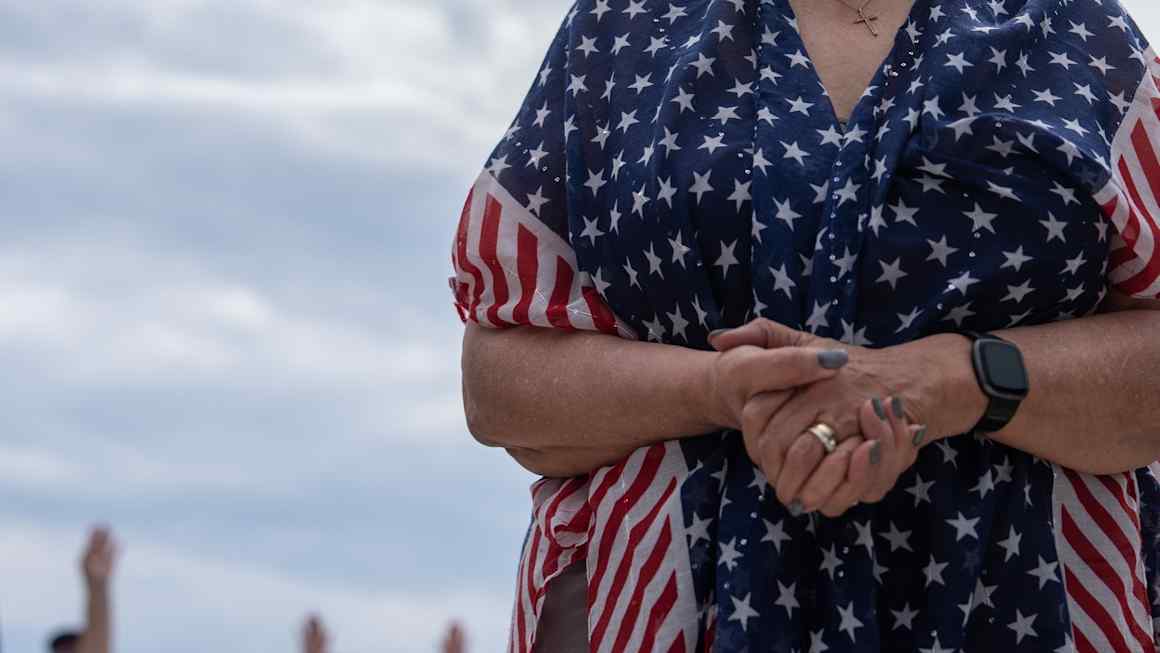
A significant segment of President Donald Trump’s political base is raising concerns regarding the compatibility of his political agenda and public rhetoric with Christian ethical standards. According to a report by the Financial Times, a critical part of the president’s base is questioning whether his politics and rhetoric align with Christian values.
This sentiment represents a notable development for the administration, as Evangelical Christians have historically constituted a significant portion of Trump’s support. The report indicates that this is not a fringe concern but rather a critical part of the president’s base engaging in this internal debate.
The Financial Times article highlights that these concerns are driven by the perceived gap between the president’s public statements and the ethical frameworks held by this demographic. However, the source material does not specify the exact size of this dissenting group or provide a demographic breakdown of those raising these issues.
Furthermore, the report does not detail specific instances of rhetoric or policy decisions that are causing this questioning. The concerns are presented as a broader sentiment regarding the alignment of the president’s overall approach with Christian ethical standards, rather than a reaction to a single event or legislative vote.
This political realignment occurs against a backdrop of recent market activity and diplomatic engagements. President Trump and Chinese President Xi Jinping recently held a summit in Beijing focusing on trade, artificial intelligence, and Iran tensions, which coincided with rises in US stock markets.
Prior to these developments, the US Justice Department dropped a criminal probe of Federal Reserve chair Jerome Powell, with Donald Trump named as a key person associated with that event. These institutional and diplomatic movements continue to shape the environment in which the president’s political base is reassessing its support.
The lack of specific data on the scale of this dissent means the extent of the fracture within the Evangelical vote remains unclear. Nevertheless, the reporting underscores a growing tension between the president’s political strategy and the moral expectations of a core component of his electoral coalition.