US EV charging reliability surges as infrastructure doubles since 2023
A recent 600-mile road trip highlights the shift from broken equipment and customer service calls to seamless sessions, driven by network competition and expanded non-Tesla access
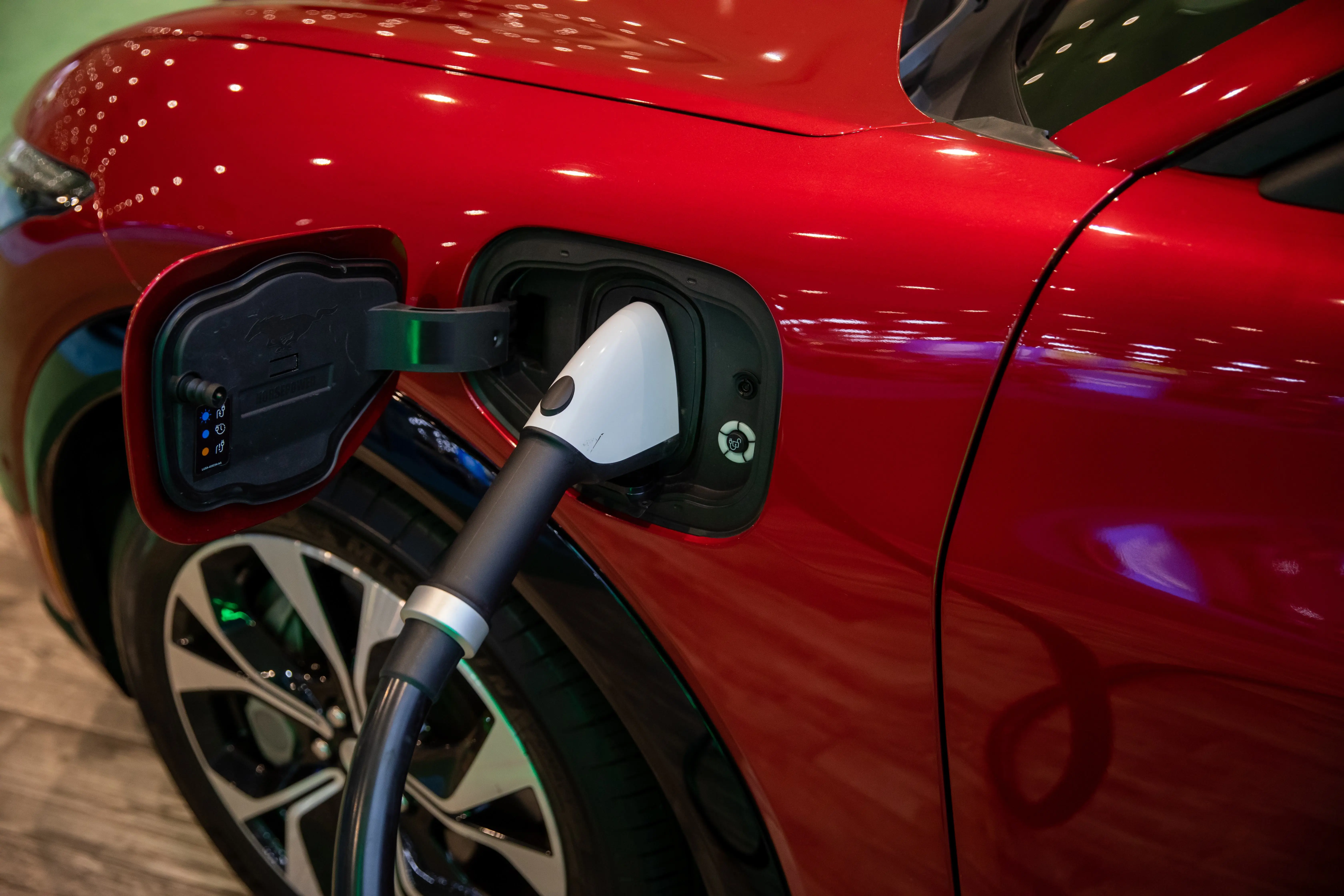
The landscape of electric vehicle charging in the United States has undergone a significant transformation, with data indicating that reliability and infrastructure availability have improved markedly since 2023. A recent 600-mile road trip from the US to Montreal in an Audi e-tron demonstrated this shift, offering a seamless experience with working chargers and minimal wait times. This stands in stark contrast to similar journeys three years ago, which were frequently marred by broken equipment and the need for multiple customer service interventions.
Official figures from the Joint Office of Energy and Transportation reveal that the number of direct current fast chargers in the US has more than doubled since 2023. In July 2023, the country had approximately 32,000 such units, many of which were initially restricted to Tesla drivers. Although Tesla announced plans to open its network to other manufacturers in 2023, widespread interoperability took more than a year to implement. Today, most of Tesla’s network is accessible to non-Tesla vehicles, contributing to a broader expansion of available charging points.
Market data supports the anecdotal evidence of improved user experience. The reliability index from Paren, which tracks metrics such as successful charging sessions and station downtime, has risen from 85 to the mid-90s since last year. This near-10-point increase suggests that the seamless experience reported by drivers is becoming the norm rather than the exception, reflecting a broader trend in infrastructure stability.
Competition among charging networks appears to be a primary driver of these improvements. While Tesla’s network remains dominant according to Paren, other providers are growing rapidly. This competitive pressure has accelerated repair times and expanded coverage, ensuring that gaps in the network are filled and broken units are addressed more quickly than in the past. The result is a more robust system that better supports long-distance travel for all electric vehicle owners.
The Montreal trip utilised A Better Route Planner, an app now owned by Rivian, to optimise charging stops. The route included a stop at a Rivian charger near Lebanon, New Hampshire, where the Audi e-tron received more than 140 kilowatts from a 300-kilowatt unit without issue. The only minor hiccup occurred at a Circuit Électrique station outside Montreal, where a faulty card reader required the use of a mobile app and a small preload. However, the total time spent on three charging sessions was comparable to the wait time at border control, highlighting the efficiency gains in the current ecosystem.
