US escalates military pressure on Cuba amid national security claims
Secretary of State Marco Rubio cites ties to Russia and China as justification for threats, while Cuban officials warn of violent retaliation against what they describe as an aggressive regime change campaign.
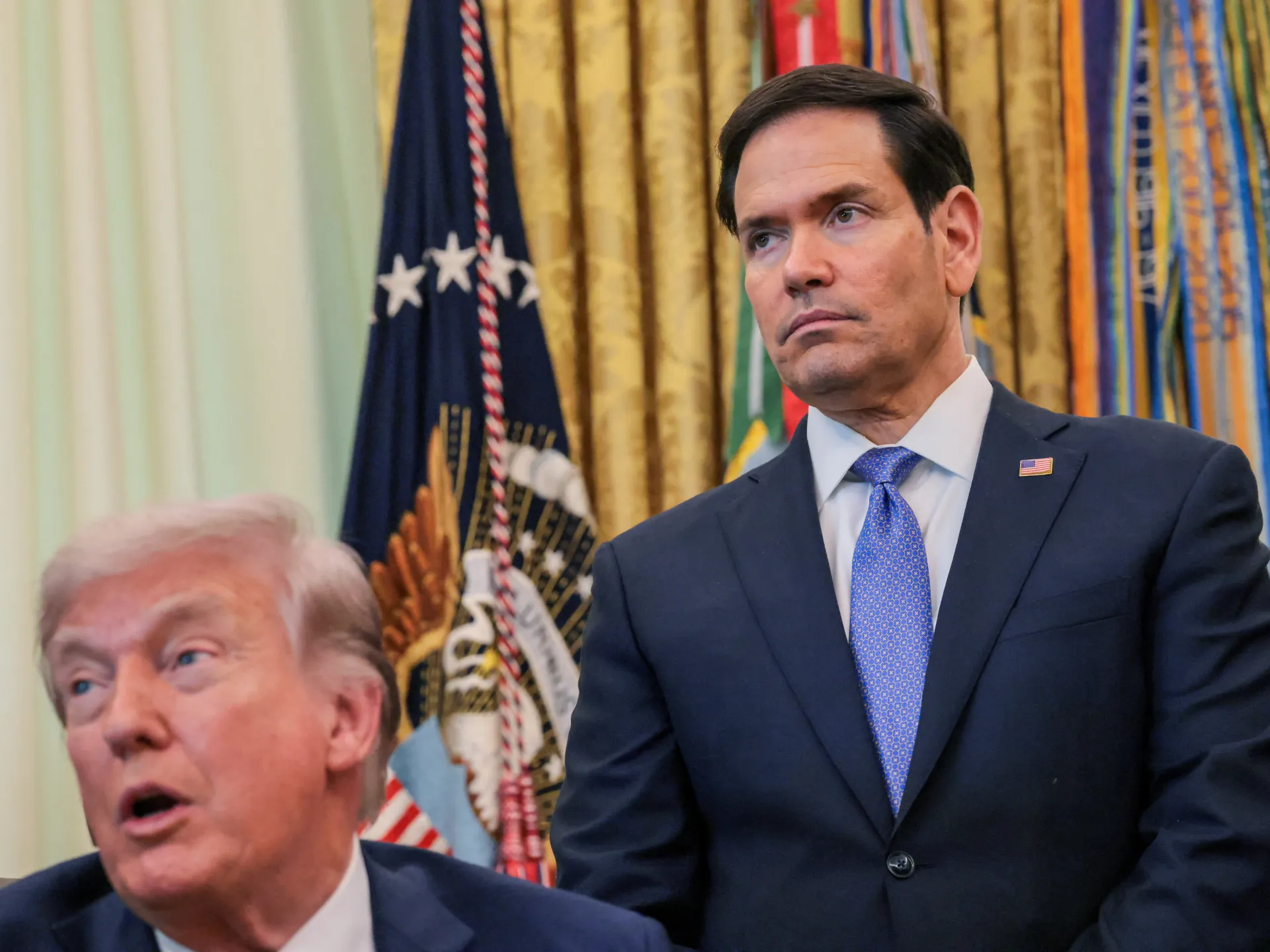
US President Donald Trump and Secretary of State Marco Rubio have issued explicit threats of military action against Cuba, framing the escalation as a necessary response to national security concerns. Rubio told reporters that the island nation has posed a threat for years due to its security and intelligence ties with US adversaries Russia and China, dismissing suggestions that the administration is pursuing nation-building. Instead, he characterised the situation as a fundamental security issue, stating that Cuba’s economic system is broken and cannot be repaired under the current political structure.
The Trump administration has significantly intensified pressure on Havana through a combination of sanctions, a fuel blockade, and a visible military build-up in the Caribbean. The US military confirmed that several navy ships, including an aircraft carrier, arrived in the region on Wednesday for maritime exercises with Latin American partners. President Trump stated that while previous administrations had considered intervention, he is likely to be the one to execute it, adding that he would be "happy" to take such action.
Legal and diplomatic measures have also been deployed to isolate the Cuban government. The US indicted former President Raul Castro in connection with the 1996 downing of civilian aircraft, and arrested Adys Lastres Morera on Thursday. Morera is the sister of a high-ranking executive of GAESA, the military-controlled conglomerate that manages significant portions of Cuba’s economy. These actions follow recent Treasury sanctions against Cuba’s main intelligence agency, nine Cuban nationals, and senior Communist Party officials.
Cuban officials have strongly rejected the US narrative. Foreign Minister Bruno Rodriguez condemned Rubio’s statements as lies designed to provoke aggression and shed blood. Cuban President Miguel Diaz-Canel warned that any US attack would result in a "bloodbath," asserting Havana’s right to self-defence. The escalation occurs against a backdrop of severe internal crisis in Cuba, including daily blackouts and water shortages, which the Trump administration argues demonstrates the failure of the communist-led government.
International reactions have been critical of the US approach. China stated it firmly supports Cuba and urged Washington to de-escalate tensions and stop threatening force. The Kremlin, through spokesperson Dmitry Peskov, opposed the use of methods bordering on violence against heads of state. Analysts suggest the US may be modelling its strategy on the recent regime change in Venezuela, where President Nicolas Maduro was removed from power in January, raising fears of similar outcomes in Havana.