US Equity Markets Reach Record Highs as Tech Earnings and Geopolitical Optimism Drive Rally
The S&P 500 and Nasdaq 100 post all-time highs while crude oil prices fall sharply on reports of a potential agreement to reopen the Strait of Hormuz.

US equity markets surged to new record highs on Tuesday, driven by a combination of robust earnings from the technology sector and renewed optimism regarding a potential peace agreement between the United States and Iran. The S&P 500 rose 1.19 per cent to hit an all-time high, while the Nasdaq 100 climbed 1.44 per cent, with the Dow Jones Industrial Average also gaining 1.33 per cent.
The rally was heavily supported by blockbuster earnings reports from chipmakers and artificial intelligence infrastructure companies. Advanced Micro Devices jumped more than 16 per cent after data centre spending boosted its full-year sales forecast, and Super Micro Computer rose over 17 per cent following improved margins and a solid profit outlook. These results have bolstered investor confidence that the intense pace of investment in artificial intelligence will continue to drive growth.
Geopolitical developments provided a significant tailwind for the session, as crude oil prices plummeted more than 6 per cent to a two-week low. This sharp decline followed reports that the US and Iran are nearing a peace deal to end hostilities and reopen the strategically vital Strait of Hormuz. President Trump indicated that great progress has been made toward a complete agreement, with the US believing Iran would respond within 48 hours to a one-page memorandum of understanding.
While the domestic market surged, overseas indices also rallied in sympathy. The Euro Stoxx 50 climbed 2.46 per cent to a 2.5-week high, and China's Shanghai Composite gained 1.17 per cent to reach a two-month high. In contrast, Japan's Nikkei Stock Average did not trade due to a national holiday.
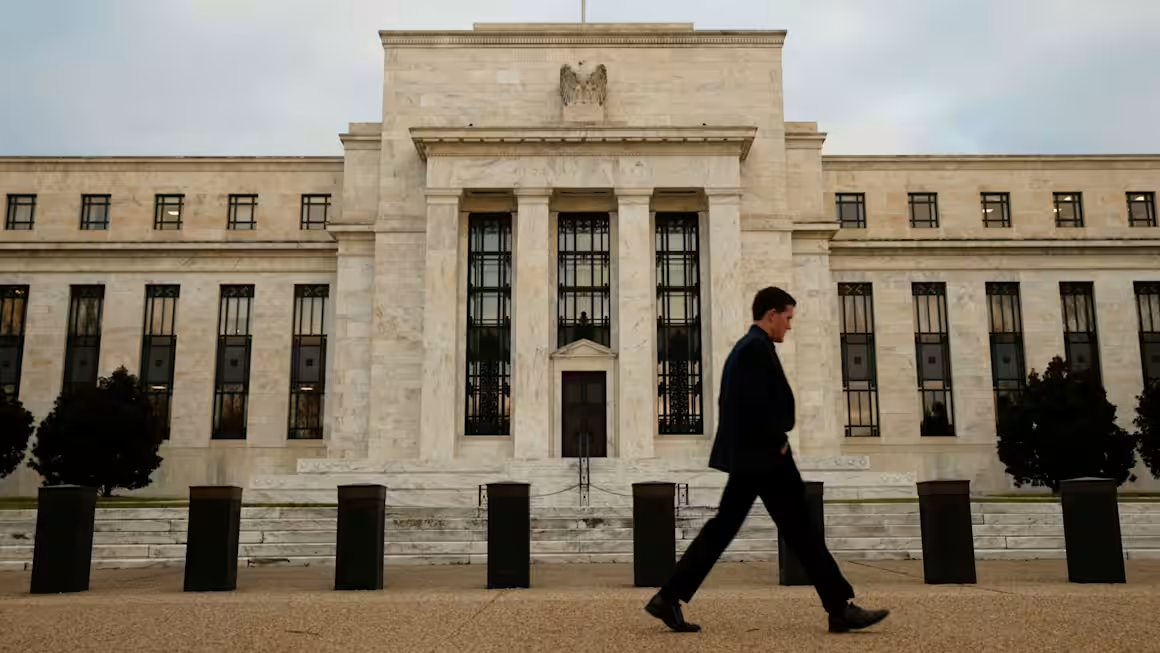
Market sentiment was tempered by mixed economic data and comments from regulators. The ADP employment report showed US companies added 109,000 jobs, falling short of the 120,000 expected by analysts. Furthermore, St. Louis Fed President Alberto Musalem issued a hawkish warning, noting that inflation remains meaningfully above the 2 per cent target and that risks are currently shifting towards the inflation side rather than employment.
Despite the caution from the Federal Reserve, the breadth of the rally remained broad. Beyond technology, airline stocks and cruise operators climbed as lower oil prices improved their profitability prospects, while mining stocks rallied on surging gold, silver, and copper prices. Energy producers, however, retreated in line with the collapse in crude oil prices.