US equities retreat as Middle East clashes lift oil and weigh on sentiment
Escalating military tensions between the United States and Iran pushed West Texas Intermediate crude above a 1.5-week high, contributing to a broad market decline on 3 June 2026. While chipmakers and AI-infrastructure stocks advanced, software and private credit firms faced significant selling pressure.

US equity indices declined on 3 June 2026, with the S&P 500 falling 0.57%, the Dow Jones Industrial Average dropping 0.58%, and the Nasdaq 100 closing down 0.60%. The sell-off was precipitated by escalating military clashes between the United States and Iran, which drove West Texas Intermediate (WTI) crude oil prices up more than 1% to a 1.5-week high. The broader market remained under pressure throughout the session, with the Nasdaq 100 retreating from a new record high.
The geopolitical friction intensified overnight after the US military disabled an empty oil tanker bound for Iran. In response, Iran targeted the US’s Bahrain naval base and the Ali Al-Salem airbase in Kuwait with missile and drone attacks. US forces retaliated by striking a communications tower on the Iranian island of Qeshm, located near the Strait of Hormuz. The escalation boosted inflation expectations, adding to the headwinds for risk assets.
Sector performance was sharply divided. Software and private credit stocks weighed heavily on the market. Atlassian, Datadog, and International Business Machines all fell more than 6%, while Oracle and ServiceNow declined over 5%. In the private credit space, weakness followed 17% redemption requests from Cliffwater’s fund, dragging down alternative asset managers including Ares Management and Carlyle Group.
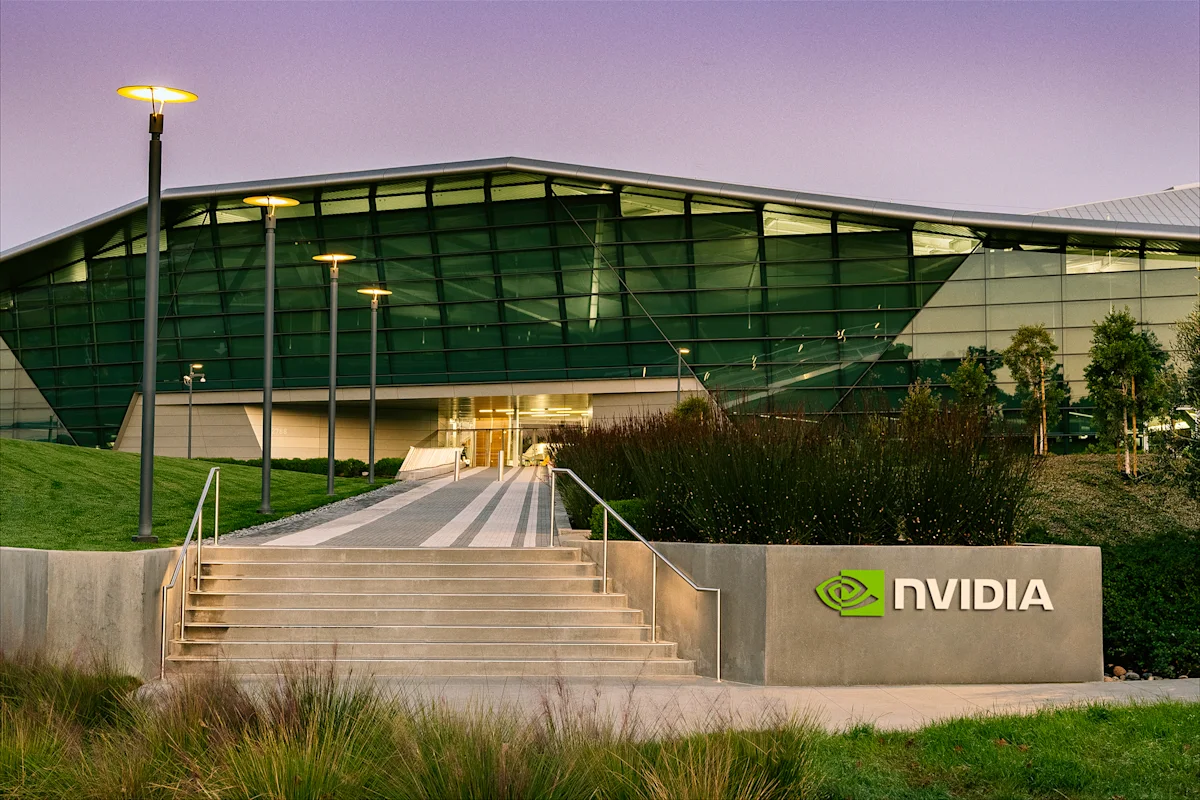
Conversely, chipmakers and AI-infrastructure shares rose, supported by positive commentary from Nvidia’s CEO regarding Marvell Technology. Nvidia predicted Marvell would be the next company to reach a $1 trillion valuation, prompting Marvell shares to surge more than 4% after a 32% gain on Tuesday. Intel led S&P 500 gainers with a rise of more than 7%, while Western Digital advanced over 5%.
Despite the market decline, underlying economic data provided some support. The May ADP employment change rose by 122,000, slightly exceeding expectations and marking the largest increase in 16 months. Additionally, the Q1 earnings season is winding down with 84% of S&P 500 companies that have reported beating estimates, with full-year earnings projected to climb 12% year-on-year.