US Energy Strategy Shifts Focus to Supply Chain Stability Amid Gulf Tensions
Analysis suggests the next 90 days will determine whether the oil market treats the conflict as a temporary logistics shock or a structural repricing of risk.
The Trump administration is recalibrating its immediate priorities regarding the US-Iran conflict, shifting focus from purely military objectives to stabilising the physical oil market and supply chains. With global inventories significantly drawn down and the Strait of Hormuz restricted, the central task for the next 45 to 90 days is reducing the panic premium by ensuring verified flow data and clear sanctions guidance. The strategy emphasises that stabilising physical barrels and their associated financial mechanisms is more critical than merely attempting to control headline prices.
Market data highlights the severity of the current disconnect between futures contracts and physical availability. Global observed oil inventories fell by 85 million barrels in March, with Middle East Gulf stocks drawing down by 205 million barrels. Conversely, floating storage in the Middle East rose by 100 million barrels, indicating that oil is trapped or delayed rather than consumed. This mislocation has driven spot crude benchmarks and physical differentials to surge ahead of futures markets, with North Sea Dated crude trading around $130 per barrel and middle distillate prices in Singapore hitting record highs above $290 per barrel.
To address these pressures, the Department of Energy has actively managed the Strategic Petroleum Reserve, releasing 17.5 million barrels between the week ending March 20 and the week ending April 24. Current SPR stocks stand at 397.9 million barrels. However, analysts note that the market requires more than just volume; it needs a predictable reaction function where the administration pre-announces the conditions under which additional SPR exchanges will be accelerated or slowed based on concrete metrics such as commercial inventories and refinery needs.
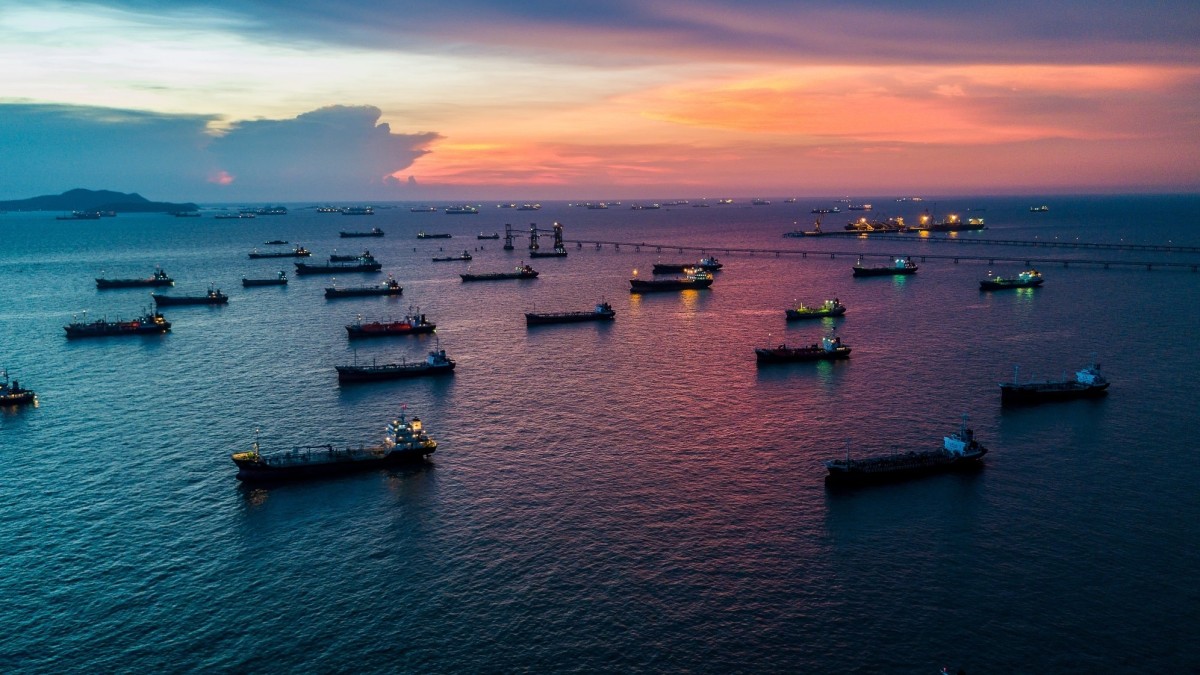
The administration is also focusing on protecting war-risk insurance for lawful cargoes and ensuring futures market liquidity to prevent a structural repricing of energy risk. Recent reports indicate that hundreds of ships were stranded following the virtual closure of the Strait of Hormuz in early March, though the US-flagged vessel CS Anthem recently exited the strait under military escort. This successful transit is viewed as a crucial signal that the corridor is not entirely theoretical, helping to restore confidence in the physical market.
Further measures include coordinating allied demand management and creating a sanctions-and-shipping fast lane to avoid turning physical scarcity into legal scarcity. The International Energy Agency forecasts that oil demand is expected to contract by 80,000 barrels per day in 2026 as the Iran war upends the global outlook. In response, the administration aims to coordinate with partners on targeted measures to buy time, ensuring that inventories and shipping corridors remain functional while avoiding crisis pricing.
Ultimately, the goal is to provide the futures market with enough verified physical information to defeat panic without commanding the market itself. By prioritising clear communication, predictable reserve releases, and protected shipping corridors, the administration seeks to ensure that belief in the arrival of barrels becomes as valuable as the barrels themselves. The next few months will likely decide whether companies rebuild inventories calmly or hoard defensively, and whether allies view US energy leadership as an operating system or merely rhetoric.