U.S. Energy Exports Cushion Global Shock from Hormuz Disruption
Record crude output and rising liquefied natural gas shipments have kept international prices in check, but tight domestic stocks and higher fuel costs signal vulnerability for the U.S. market.
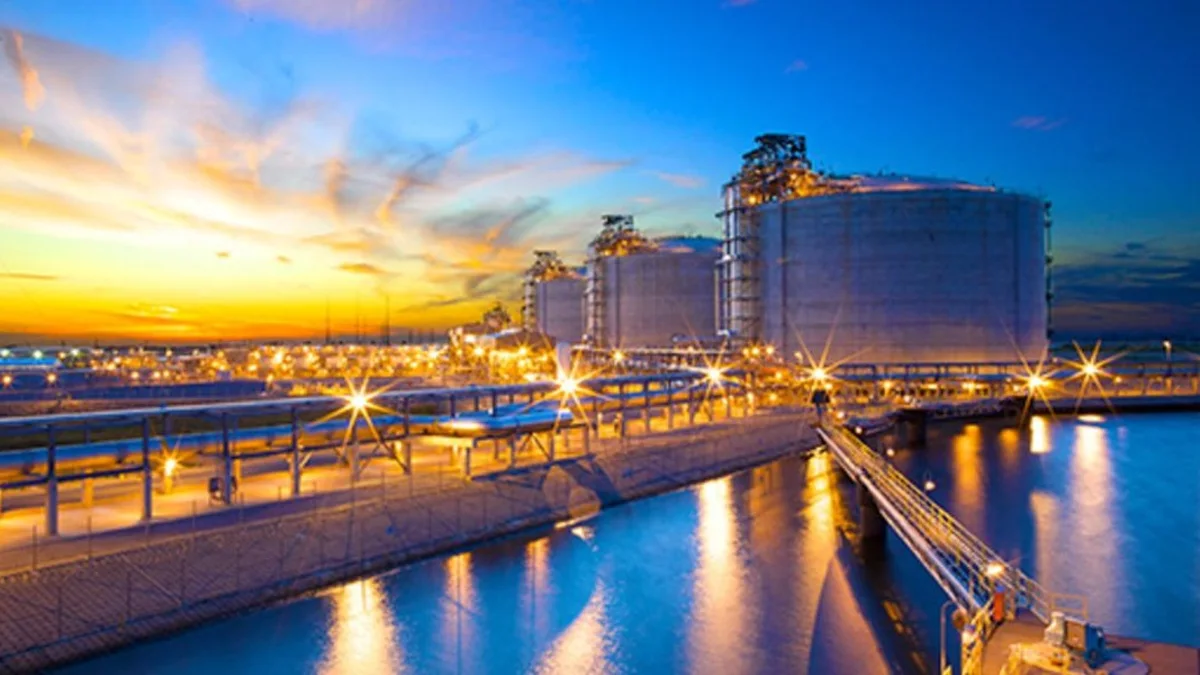
The United States has assumed the role of a global energy stabiliser, mitigating the supply shock resulting from the closure of the Strait of Hormuz and the ongoing conflict in Iran, according to an analysis by the American Petroleum Institute (API). Record U.S. crude oil production and rising liquefied natural gas (LNG) exports have helped keep international crude oil prices in check for most of the past five months, preventing a more severe disruption to global markets.
However, this export surge has depleted U.S. inventories, with crude oil and petroleum product stocks now below the five-year average for this time of year. The API noted that the nation’s position as the "world's energy stabilizer" comes at the cost of narrow margins of error in production, refining, and export systems, leaving the domestic market vulnerable to further supply disruptions.
Middle distillate inventories in the United States are currently 12% below the five-year average, according to the latest Energy Information Administration petroleum status report. This tightening of domestic supplies has contributed to a significant rise in fuel costs for American consumers. The national average gasoline price is now $4 per gallon, approximately $1 higher than at the end of February and nearly $0.90 higher than at the same time last year.
The current disruption is attributed to the "Iran war," with reports indicating that the U.S. and Israel started bombing Iran in late February, triggering the crisis that led to the closure of key shipping lanes. Despite hopes for an imminent resolution, market uncertainty persists regarding the Strait of Hormuz and other critical trade routes, as diplomatic signals remain conflicting and a bilateral agreement to reopen the strait appears distant.
Since the shale revolution began, the U.S. oil and natural gas industry has invested approximately $150 billion annually in upstream production alone, with additional billions directed toward pipelines and export terminals. The API emphasised that today’s record production and world-class refining capacity are the result of these long-term investment decisions, which have fundamentally changed America's role in global energy markets.
While the U.S. energy system has helped cushion the global impact of the Middle East crisis, the path to permanent de-escalation remains unclear. The API warned that preserving this advantage requires continued supportive policies and investment in infrastructure to ensure the U.S. and global markets remain resilient against future supply shocks.