US Election Officials Prepare for Potential ICE Presence at Polling Stations Amid Federal Uncertainty
Despite federal law prohibiting armed agents at polling places, officials cite chilling rhetoric, baseless voting claims, and slashed cybersecurity resources as they scramble to reassure voters and prepare for unprecedented scenarios.
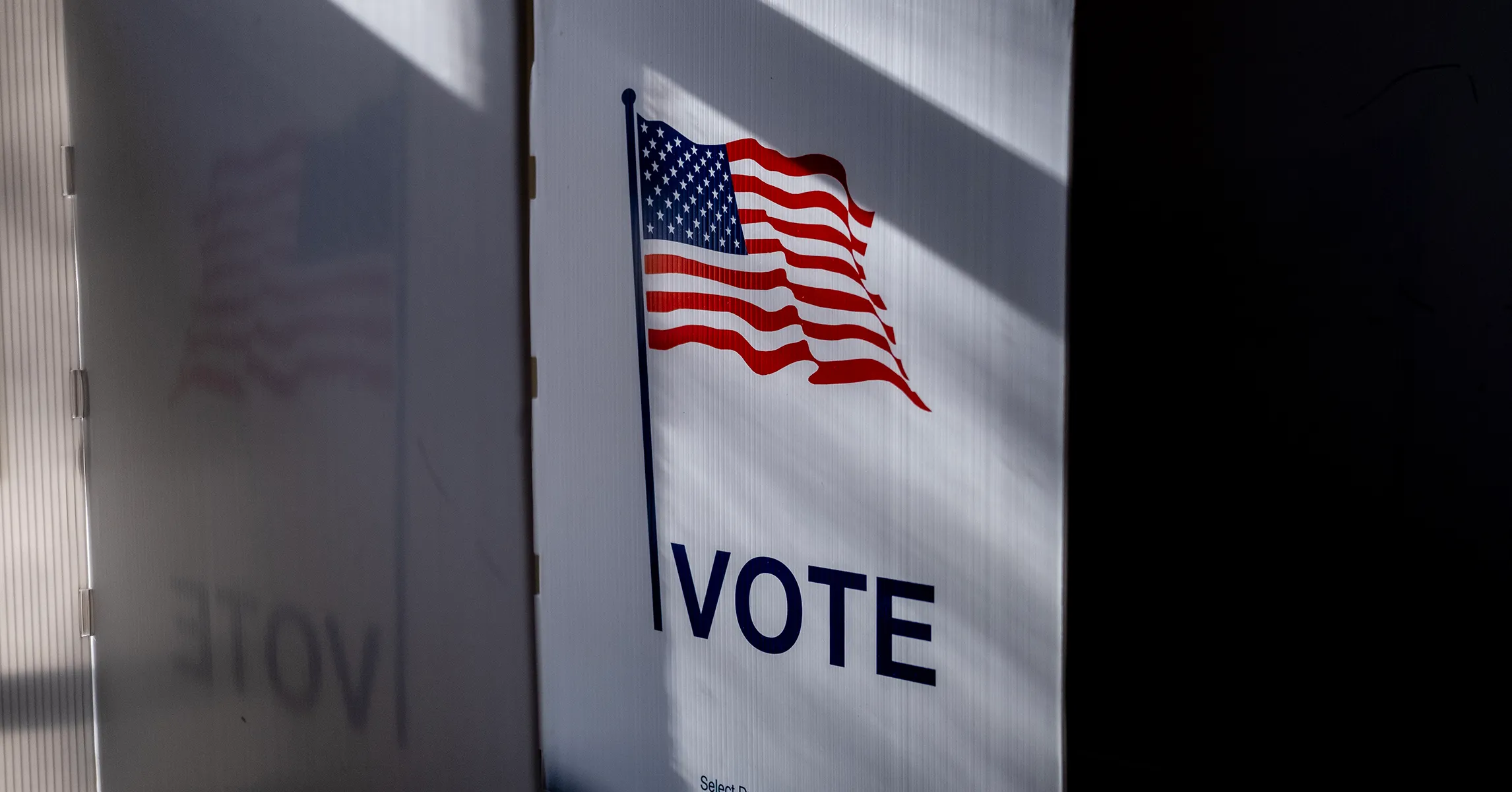
US state and local election officials are actively preparing for the possibility of Immigration and Customs Enforcement (ICE) agents appearing at polling locations during the November midterms. This preparation follows ambiguous statements and threats from the Trump administration regarding federal oversight of elections. Officials report significant concern due to the administration's rhetoric and baseless claims regarding non-citizen voting, despite federal law prohibiting armed federal agents at polling places.
The anxiety stems from recent comments by President Donald Trump, who stated he would "do anything necessary" to ensure "honest elections," raising fears of National Guard or ICE deployment. Former White House adviser Steve Bannon amplified these concerns by claiming on a podcast that ICE would "surround the polls" in November. White House press secretary Karoline Leavitt refused to rule out the presence of ICE agents, stating she could not guarantee their absence, while Homeland Security Secretary Markwayne Mullin cited baseless claims that non-citizens are voting illegally during his confirmation hearing.
In response to this uncertainty, officials are conducting contingency planning, including tabletop exercises that simulate scenarios such as the arrest of election directors. Jared DeMarinis, Maryland’s administrator of elections, confirmed that these exercises now include scenarios of election officials being arrested. Meanwhile, Maine Secretary of State Shenna Bellows and seven other secretaries of state sent a letter to the Department of Homeland Security (DHS) in March seeking written assurances that ICE would not be deployed; no response has been received.
Concurrently, the administration has curtailed federal election security resources, including halting work by the Cybersecurity and Infrastructure Security Agency (CISA) and defunding information-sharing centres. CISA stopped almost all election security work in March 2025 and removed regional election security advisers. This has forced states to develop independent communication and security networks, with officials relying on online meetings and messaging apps to share critical information.
Despite these challenges, election directors maintain confidence in their ability to run secure elections. Bellows expressed belief that Americans will recognise these tactics as desperate attempts to interfere, asserting that the Constitution clearly places control of elections in the hands of states, not the federal government. Officials continue to prepare for all eventualities, viewing themselves as contingency planners accustomed to managing unforeseen crises.
