US Election Officials Mandate Oaths Against Prediction Market Bets Ahead of Midterms
As prediction markets Kalshi and Polymarket expand their influence, authorities cite risks of manipulation, insider trading, and public confusion as grounds for new electoral safeguards.
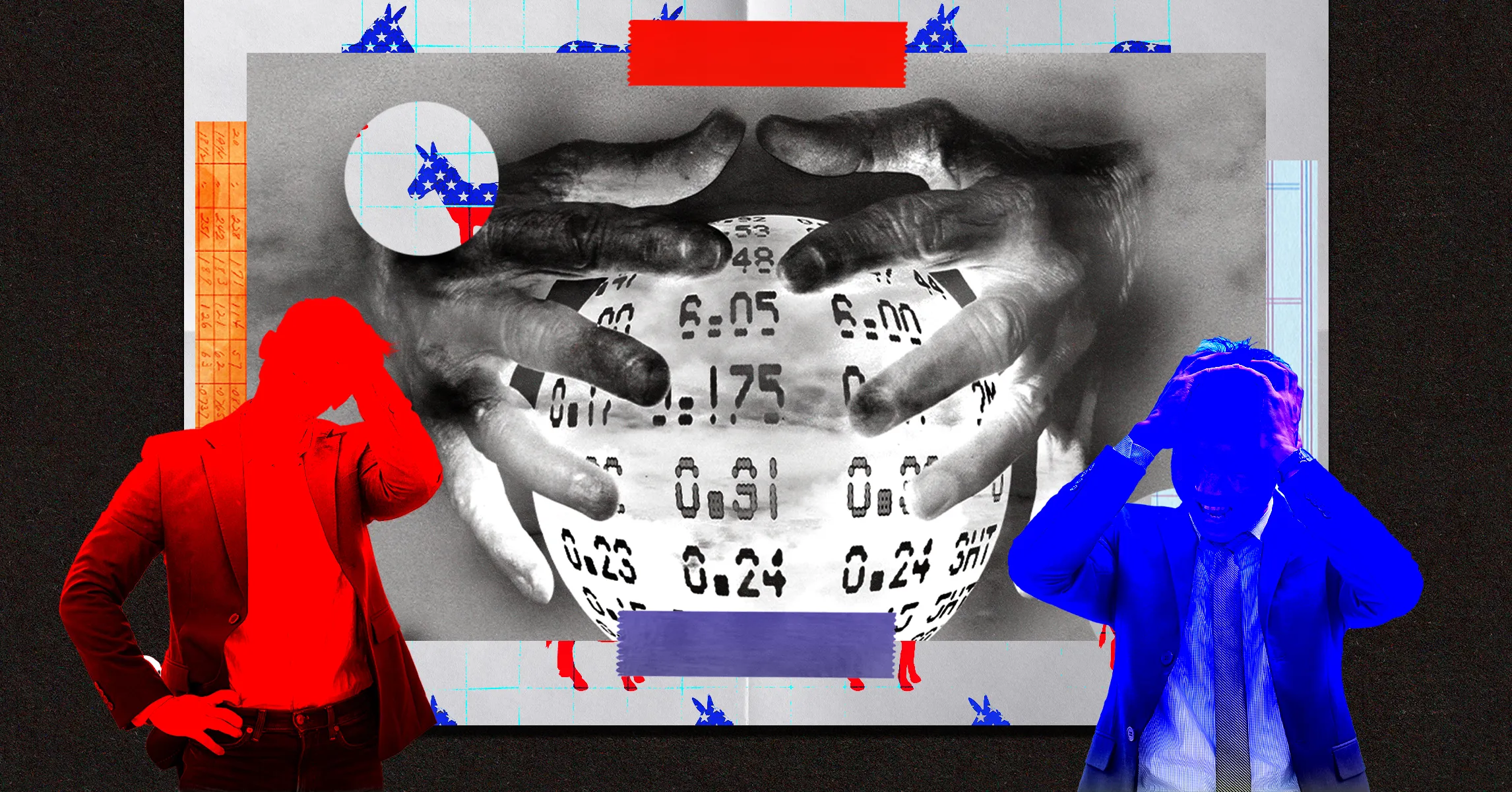
Election officials across the United States are implementing new safeguards to mitigate risks posed by the growing influence of prediction markets ahead of the November midterms. Authorities, including those in Delaware County, Pennsylvania, and Maryland, are requiring poll workers and election staff to sign oaths affirming they hold no financial interest in election betting markets. These measures aim to address concerns regarding market manipulation, insider trading, and public confusion, as surveys suggest many voters conflate market odds with official results.
Jim Allen, the elections director for Delaware County, amended the oaths signed by election personnel after a training session revealed staff interest in placing minor bets on turnout. The board now requires approximately 2,500 individuals, including full-time staff and temporary ballot processors, to sign the declaration ahead of the midterms. Allen described the rapid growth of prediction markets as a direct threat to electoral trust, noting the potential for markets to monetise manipulation or capitalise on frustration from those who lose wagers.
Concerns extend to the safety of election workers, with officials warning that discrepancies between market predictions and certified results could fuel aggression against poll workers. Dean Logan, county clerk for Los Angeles County, noted that prediction markets contributed to volatility and threats following a June election, a level of aggression not seen in prior cycles. Both Kalshi and Polymarket assert they employ surveillance to prevent fraud and prohibit insider trading, with Kalshi stating it condemns threats against election officials in the strongest terms.
Public confusion remains a significant hurdle, with a survey by the Partnership for Large Election Jurisdictions finding that 75 percent of respondents could not correctly identify what prediction market odds represent. Thirty-five percent of respondents incorrectly believed the odds reflected counted votes or official projections from state officials. Amy Cohen, executive director of the National Association of State Election Directors, highlighted the difficulty of managing public expectations when market speculation diverges from certified outcomes.
While platforms argue that smart traders quickly correct manipulated odds, officials warn that low-volume races remain vulnerable. Andrew Cates, an election law attorney, noted that some House races have only a few thousand dollars wagered, allowing small bets to skew perceptions of support. In response, jurisdictions such as Arizona and Maryland are reinforcing internal policies to prevent staff from using non-public information for personal gain, with some states explicitly banning government employees from betting on elections they administer.