US economic approval rating plummets as recession fears mount
With inflation persisting at 3.3% and petrol prices exceeding $4 per gallon, sentiment has turned negative, prompting analysts to raise recession probability forecasts to between 30% and 48.6%.
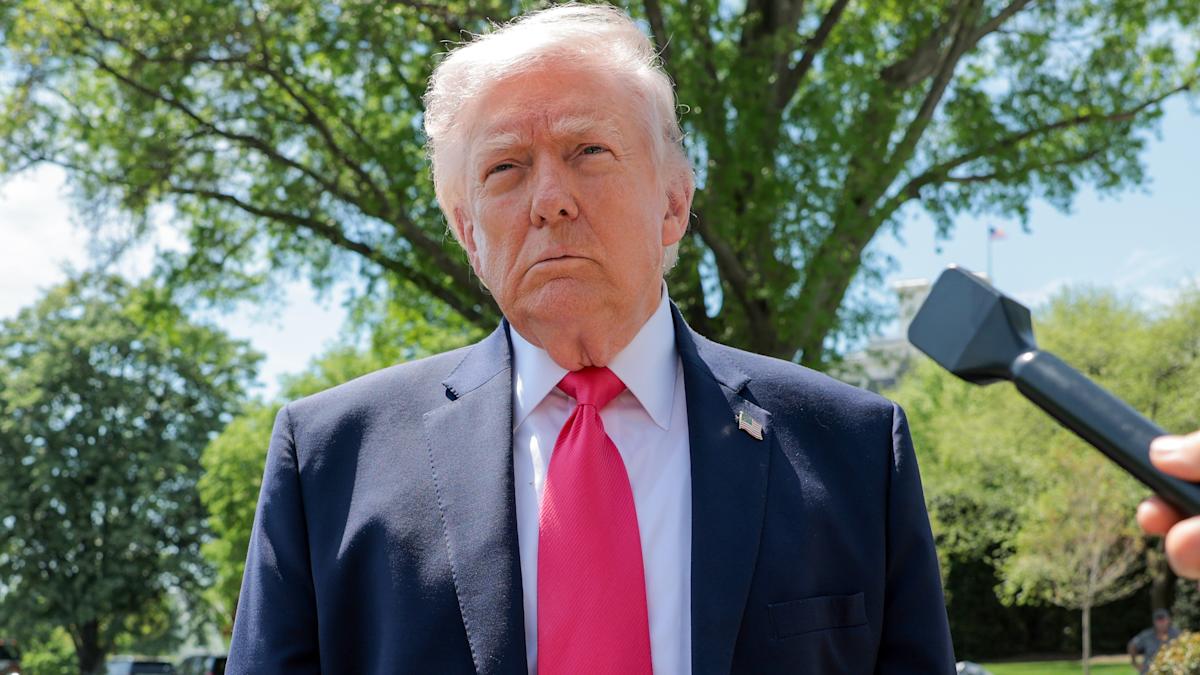
President Donald Trump's approval rating regarding the economy has fallen sharply to 30%, down from 38% in March, according to the latest AP-NORC polling data. This significant drop coincides with a broader deterioration in financial sentiment, where 73% of Americans now rate the economy as being in "poor" shape, an increase from 66% in February. The disconnect between White House messaging of an economic boom and the lived experience of voters struggling with daily expenses has become increasingly difficult to ignore.
The primary drivers of this voter frustration are the rising costs of essential goods and fuel. Approximately 76% of Americans disapprove of the administration's handling of the cost of living, a sentiment exacerbated by inflation standing at 3.3% and petrol prices rising above $4 per gallon. For many households, this pressure manifests in small, daily decisions such as skipping takeout or delaying major purchases, particularly in suburban and working-class swing districts that are highly sensitive to commuting costs.
Major financial institutions have responded to these deteriorating conditions by elevating their recession probability forecasts for the coming year. Moody's Analytics estimates a 48.6% chance of a recession within the next 12 months, while Goldman Sachs has lifted its forecast to 30%. Other firms, including EY Parthenon and Wilmington Trust, have placed the risk between 30% and 45%, citing ongoing geopolitical tensions in the Middle East and elevated oil prices as key factors that could force the Federal Reserve to keep interest rates higher for longer.
The stakes for the political landscape are high, particularly as the $4-a-gallon mark serves as a psychological threshold for many Americans. Once fuel costs cross this line, frustration spikes, threatening the stability of key electoral demographics. While the administration continues to tout an economic boom, the polling indicates that most voters are not buying the hype, instead focusing on the weight of years of price shocks that have left little room for financial breathing space.
Analysts warn that the fallout may extend beyond polling numbers, with the potential for oil prices to remain stubbornly elevated and inflation to stay high. This scenario could reshape consumer expectations and make even modest improvements feel insignificant to the electorate. Until the cost of daily necessities like groceries and fuel comes down, the administration's approval ratings are likely to continue sinking as the gap between policy slogans and reality widens.