US dismantles disinformation agencies amid censorship conspiracy theories
The second Trump administration has closed key US government units tasked with countering foreign disinformation, citing a "censorship-industrial complex" that critics say is now being perpetuated by the government itself.
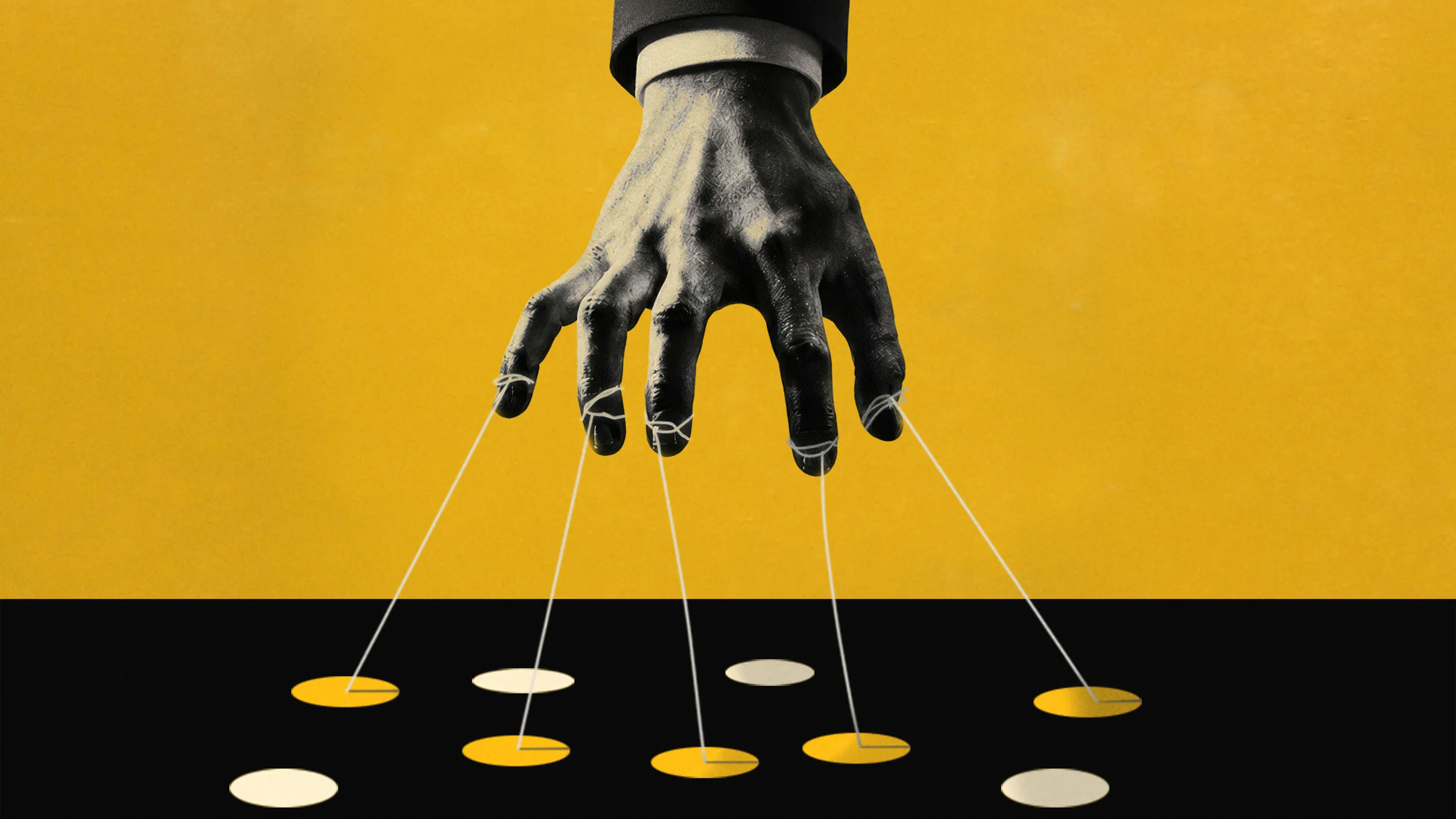
The second Trump administration has dismantled several US government agencies tasked with countering foreign disinformation, including the State Department’s Counter Foreign Information Manipulation and Interference Hub (R/FIMI) and the US Agency for International Development (USAID). These actions were driven by the "censorship-industrial complex" narrative, a conspiracy theory promoted by far-right figures such as Mike Benz, Darren Beattie, and Elon Musk, which claims that US agencies and Big Tech platforms suppress conservative speech. The closures have drawn criticism from experts who warn that the removal of these units leaves the United States vulnerable to foreign propaganda from China, Russia, and Iran.
Darren Beattie, who ordered the closure of R/FIMI, was appointed as the State Department’s senior advisor for Brazil. Mike Benz, a former Trump administration official and founder of the Foundation for Freedom Online, was appointed as a special government employee at the restructured USAID to investigate alleged wrongdoing, despite previously leading the campaign to defund the agency. John Solomon, a media figure who promoted the CIC narrative, was appointed as a special government employee focused on transparency matters.
The State Department announced a new web portal, freedom.gov, allowing people abroad to view online content banned by their own governments, particularly targeting European regulations. The US banned five Europeans, including Global Disinformation Index executive Clare Melford, for advocating tougher content moderation, although a judge has blocked the enforcement of these bans as "likely viewpoint discriminatory."
Vice President JD Vance directed a State Department team to find evidence of censorship in Western Europe (Germany, France, Ireland, UK), but the team reportedly found fewer than 10 instances of removed content, all related to law enforcement investigations into violent extremism. Elon Musk’s Department of Government Efficiency (DOGE) has been actively cutting federal agencies, and Musk has publicly amplified Benz’s claims regarding USAID.
Meta ended fact-checking on Facebook, with CEO Mark Zuckerberg stating the company would work with President Trump to push back against foreign government censorship pressures. The dismantling of these agencies has razed infrastructure that tracked and countered attempts by foreign powers to influence elections, reshaping US national security strategy and provoking tensions with the European Union over its tech regulations.
Experts warn that the removal of these units leaves the United States vulnerable to sophisticated foreign propaganda campaigns. As state-run digital influence campaigns become more sophisticated, with Iran producing AI-generated propaganda and Moscow injecting Russian propaganda into AI training data sets, the US has effectively engaged in "unilateral disarmament" in the information space, according to former officials.
The narrative of a censorship-industrial complex has moved from the online fringe to the highest levels of government, with key proponents now holding influential positions. This shift has led to the closure of agencies and the defunding of programs, while simultaneously justifying travel bans and sanctions on targeted individuals and industries. The administration’s actions have been framed as a restoration of free speech, but critics argue they are perpetuating the very censorship they accuse others of.
