US designate chair signals balance sheet will factor into Fed rate decisions
Comments from the unconfirmed successor mark a change in policy calculus as the Federal Reserve navigates global uncertainty
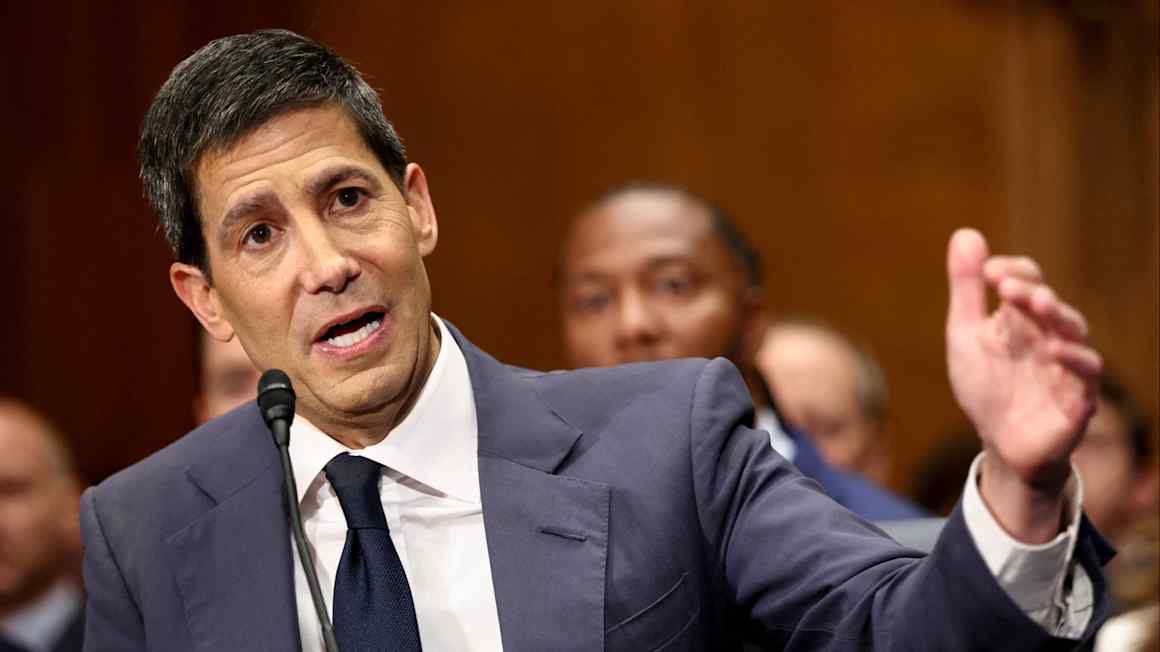
The Federal Reserve's designate chair has indicated a willingness to incorporate the size of the central bank's balance sheet into decisions regarding interest rates and monetary policy. This explicit signal suggests a potential evolution in how the institution weighs quantitative tightening against adjustments to the benchmark rate.
The comments come from the designate chair, a role that implies the individual has not yet been officially confirmed by the Senate. Consequently, these policy views may not yet represent the official stance of the Federal Reserve, though they offer insight into the thinking of the incoming leadership.
Policymakers are widely expected to maintain benchmark interest rates steady in the immediate term as they navigate a complex economic landscape. This cautious approach is driven by the ongoing conflict in the Middle East, which creates significant uncertainty regarding future oil prices and inflation.
The specific weight or threshold at which the balance sheet will influence rate decisions remains undefined. Furthermore, the timing of when this new consideration will be formally implemented in policy meetings has not been specified by officials.
Current Fed Chair Jerome Powell is scheduled to step down in May following the Senate confirmation of his successor. The transition period is set against a backdrop where the central bank is expected to keep rates on hold while assessing the broader macroeconomic environment.
While the source text notes a willingness to factor in the balance sheet, the mechanics of this trade-off have not been detailed. Investors and institutions will need to monitor how this potential shift unfolds as the new leadership is confirmed and the geopolitical situation stabilises.