US Department of Energy reinstates $8.8 billion energy rebate program with strict new limits
Following a legal injunction that restored funding, the department has published updated guidance for the HOMES and HEEHR programs, sparking criticism from environmental advocates over the removal of electrification support.
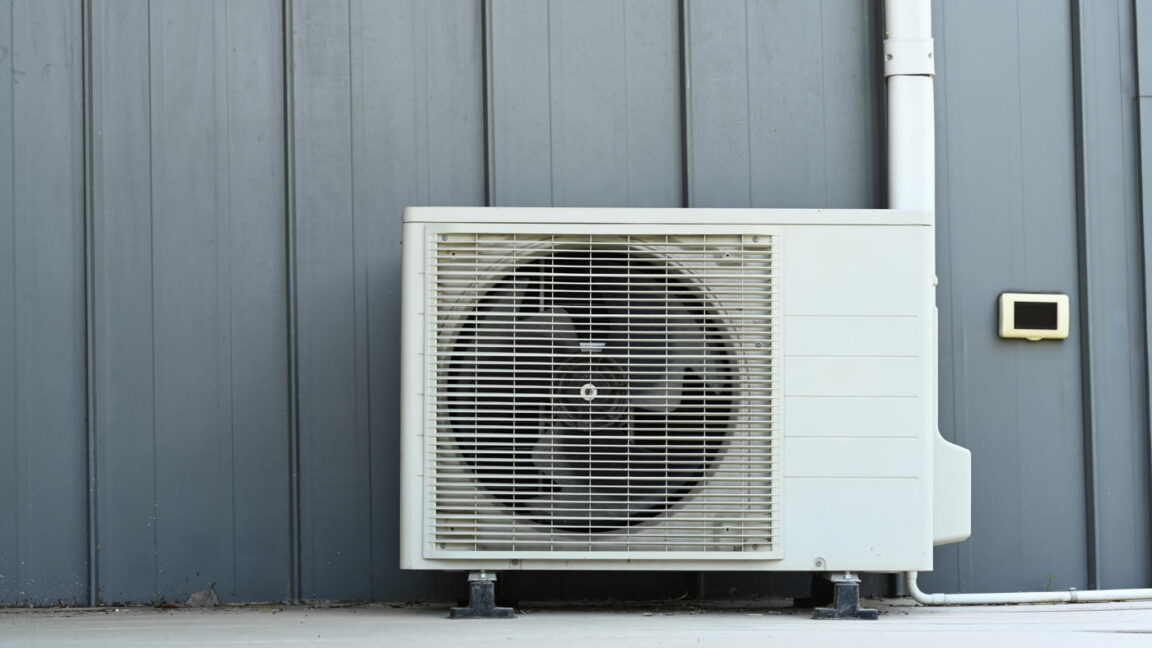
The US Department of Energy has published updated guidance for two federal energy efficiency rebate programs, reinstating $8.8 billion in funding following a legal injunction. The new rules, announced on June 1 and dated May 29, eliminate diversity, equity and inclusion considerations and remove support for switching from fossil fuels to electricity for home heating. The guidance applies to the $4.3 billion Home Owner Managing Energy Savings (HOMES) program and the $4.5 billion High-Efficiency Electric Home Rebate (HEEHR) program.
The restart of these programs follows a legal battle initiated by a coalition of states in March 2025, which successfully sued to restore funding after President Donald Trump issued an executive order cancelling the release of funds from the Inflation Reduction Act. The department stated the revisions are intended to align requirements more closely with statutory requirements, advance affordability, ensure good stewardship of taxpayer dollars, and empower grantees to tailor programs to local contexts.
Key changes to the program rules include the elimination of diversity, equity and inclusion considerations and the removal of support for switching from fossil fuels to electricity for home heating. Households can now only receive funding for heat pumps for new construction or if they already have electric heat; previous rules encouraged switching away from oil, gas, or other fossil fuels. The guidance cites the Trump administration’s opposition to diversity, equity and inclusion in federal spending and the elimination of the Biden administration’s Justice40 environmental justice initiative as reasons for changing the focus of the programs.
The Department of Energy now requires households to upgrade insulation and air sealing before using rebates for new appliances. The HOMES program provides up to $8,000 for households to make energy-efficient upgrades that reduce energy use by at least 20 percent, while the HEEHR program provides up to $14,000 in rebates per household for qualifying efficient electric equipment and appliances. Additional guidance covers Indian tribes participating in the HEEHR program.
Environmental advocates have criticised the changes as illegal and detrimental to low-income households. Tony Sirna of Evergreen Action described the elimination of funding for electrification as "flatly illegal," while Srinidhi Sampath Kumar of the Sierra Club called the limits on fuel switching a deliberate effort to incentivise fossil fuel companies. Mark Kresowik of the American Council for an Energy-Efficient Economy lamented the new limits, and Sam Friesen of Fresh Energy called the guidance a fundamental departure from the program's intent.
State programs administer the funds, and most states plus the District of Columbia have had at least some plans approved, though they have three months to modify their programs to comply with the new guidance. South Dakota has declined to participate, and Idaho’s legislature has taken action to stop participating. States that already paid rebates based on the initial Biden-era rules have a three-month window to modify their programs to comply with the new guidance going forward.
