US denies Iran ceasefire breach after Strait of Hormuz clashes
Washington asserts that the United States does not consider Iran to have violated the current ceasefire agreement following the latest incidents in the region.
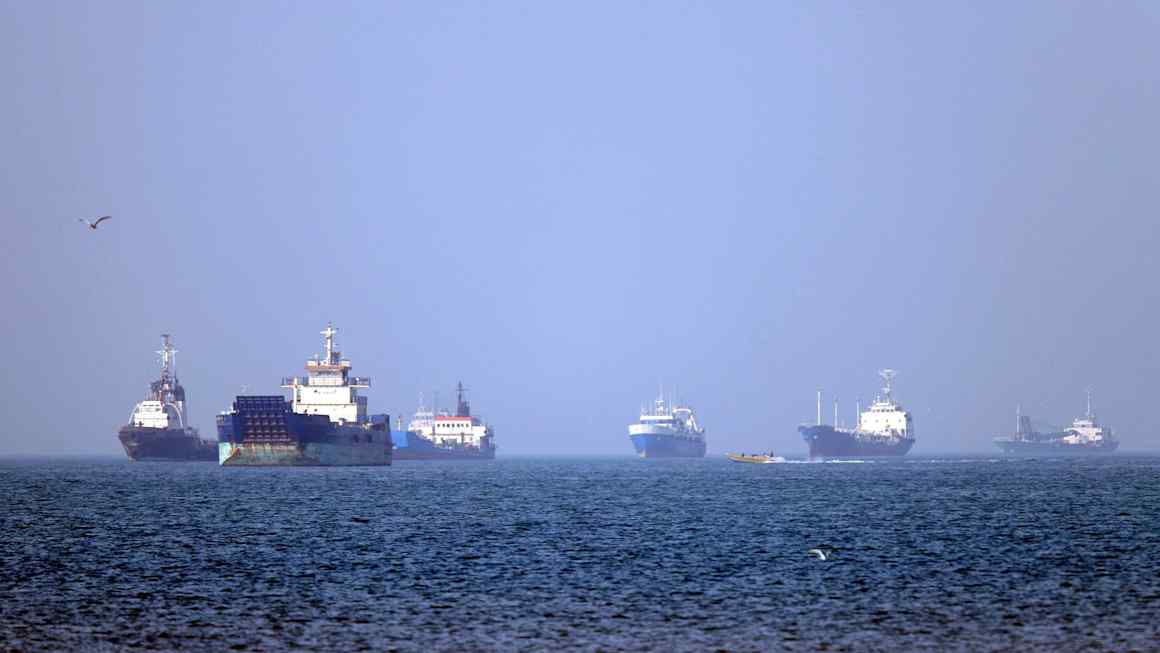
A senior general from the Pentagon has stated that recent military strikes in the Strait of Hormuz remain all below the threshold required to restart full-scale combat. This assessment marks a definitive US position that the current hostilities do not constitute a violation of the existing ceasefire agreement between the two nations.
The official categorisation of the recent events suggests that the intensity of the strikes is insufficient to meet the criteria for resuming full-scale hostilities. Consequently, the United States maintains that the conflict has not escalated beyond the agreed parameters, despite the ongoing military activity in the strategically vital waterway.
This stance comes as tensions in the Strait of Hormuz continue to influence global markets, particularly regarding energy supplies and precious metals. Investors have historically viewed such geopolitical flashpoints with caution, noting that volatility in the region often impacts commodity trading and broader financial stability.
While the Pentagon general provided this assessment, the specific definition of the threshold for restarting full combat has not been publicly detailed beyond the general statement. It remains unclear how long the current de-escalation will last or whether future incidents could quickly cross this line, leaving some ambiguity regarding the long-term trajectory of the standoff.
The evaluation relies on a single statement from a senior Pentagon general, with independent verification of the strikes scale and intent not provided in the available reporting. The term below the threshold is inherently subjective and may be interpreted differently by regional actors or intelligence analysts monitoring the situation closely.
Separately, unrelated developments within the US legal system saw the Justice Department drop a criminal probe into Federal Reserve Chair Jerome Powell. This matter, concerning renovation costs at the Fed headquarters, involves figures such as Kevin Warsh and was transferred to the Federal Reserve's Office of the Inspector General, distinct from the military situation in the Middle East.
As the situation near the Strait of Hormuz evolves, the outlook for global energy markets and precious metals will likely remain contingent on the duration and intensity of the current military posture. Market participants are advised to remain vigilant as they navigate this period of heightened uncertainty.