US DEA Moves to Ban 7-OH Opioid Compound as Users Stockpile Amid Withdrawal Fears
The Drug Enforcement Administration’s notice of intent targets concentrated derivatives, leaving natural kratom untouched, while users report severe withdrawal symptoms and financial strain from escalating tolerances.
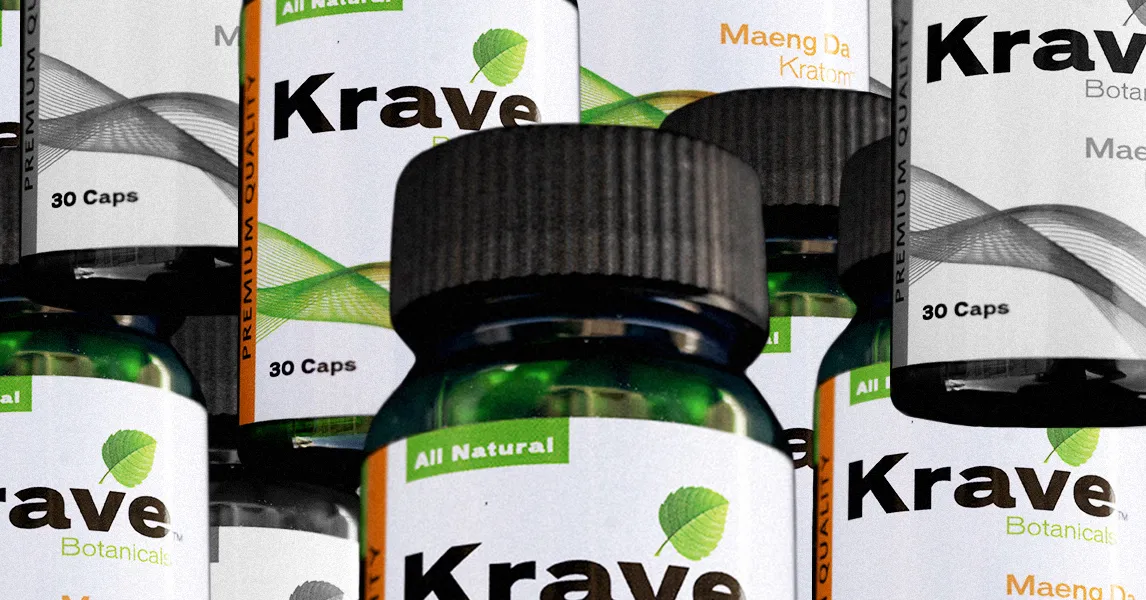
The US Drug Enforcement Administration has issued a notice of intent to temporarily place 7-hydroxymitragynine (7-OH), along with related compounds MGM-15 and MGM-16, onto Schedule I of the Controlled Substances Act. The temporary ban is scheduled to take effect no earlier than August 5, 2026, and will remain in force for two years, with the option to extend for an additional year while the DEA pursues permanent scheduling. This action aligns with the Trump administration’s position, supported by Health and Human Services Secretary Robert F. Kennedy and Department of Homeland Security Secretary Markwayne Mullin, despite their reported ties to the mainstream kratom industry.
The regulatory action creates a distinction between natural kratom and concentrated 7-OH products. Because natural kratom contains only trace amounts of 7-OH, it is unlikely to meet the threshold for the ban, aligning the DEA’s stance with the mainstream kratom industry while targeting specific synthetic or concentrated derivatives. This has sparked a divide between the mainstream industry and 7-OH proponents, with the DEA noting that the marketing of 7-hydroxymitragynine products as botanical supplements constitutes a significant public health risk given its pharmacological profile as an opioid agonist.
Users are responding to the impending ban by stockpiling the substance or undertaking "Reddit detoxes" to manage anticipated withdrawal symptoms, which include anxiety, insomnia, and chills. Online communities such as r/quitting7oh, which has 11,000 members, are providing advice on tapering. While some users report that 7-OH aids in managing chronic pain and reducing reliance on street drugs like fentanyl and prescription opioids, others describe severe withdrawal and financial strain due to escalating tolerances. Concerns regarding product safety have also emerged, with reports of brands receiving poor safety grades for containing unlisted compounds or exceeding advertised potency.
The move is supported by the Trump administration, including Health and Human Services Secretary Robert F. Kennedy and Department of Homeland Security Secretary Markwayne Mullin, despite reported ties between these officials and the mainstream kratom industry. Kennedy has previously described the 7-OH industry as sinister, citing concerns over products marketed to children, while Mullin has also supported a crackdown on the substance. The Food and Drug Administration does not regulate dietary supplements for safety and efficacy before they hit the market, leaving consumers vulnerable to inconsistent product quality.
The DEA’s proposed ban targets 7-OH specifically; because natural kratom contains only trace amounts of the compound, it will not meet the threshold for the ban, creating a rift between the mainstream kratom industry and 7-OH proponents. Some users report that 7-OH has helped them manage chronic pain and stay off street drugs like fentanyl and prescription opioids, while others describe severe withdrawal symptoms and financial ruin due to escalating tolerances. Concerns have been raised about product safety, with one user noting a brand they used received an 'F' grade for being stronger than advertised and containing unlisted MGM-15.
