US data centres to consume one-fifth of national electricity by 2035
New facilities built through 2033 could generate 1,935 terawatt-hours of global demand, while US grid operators face connection delays and price spikes.
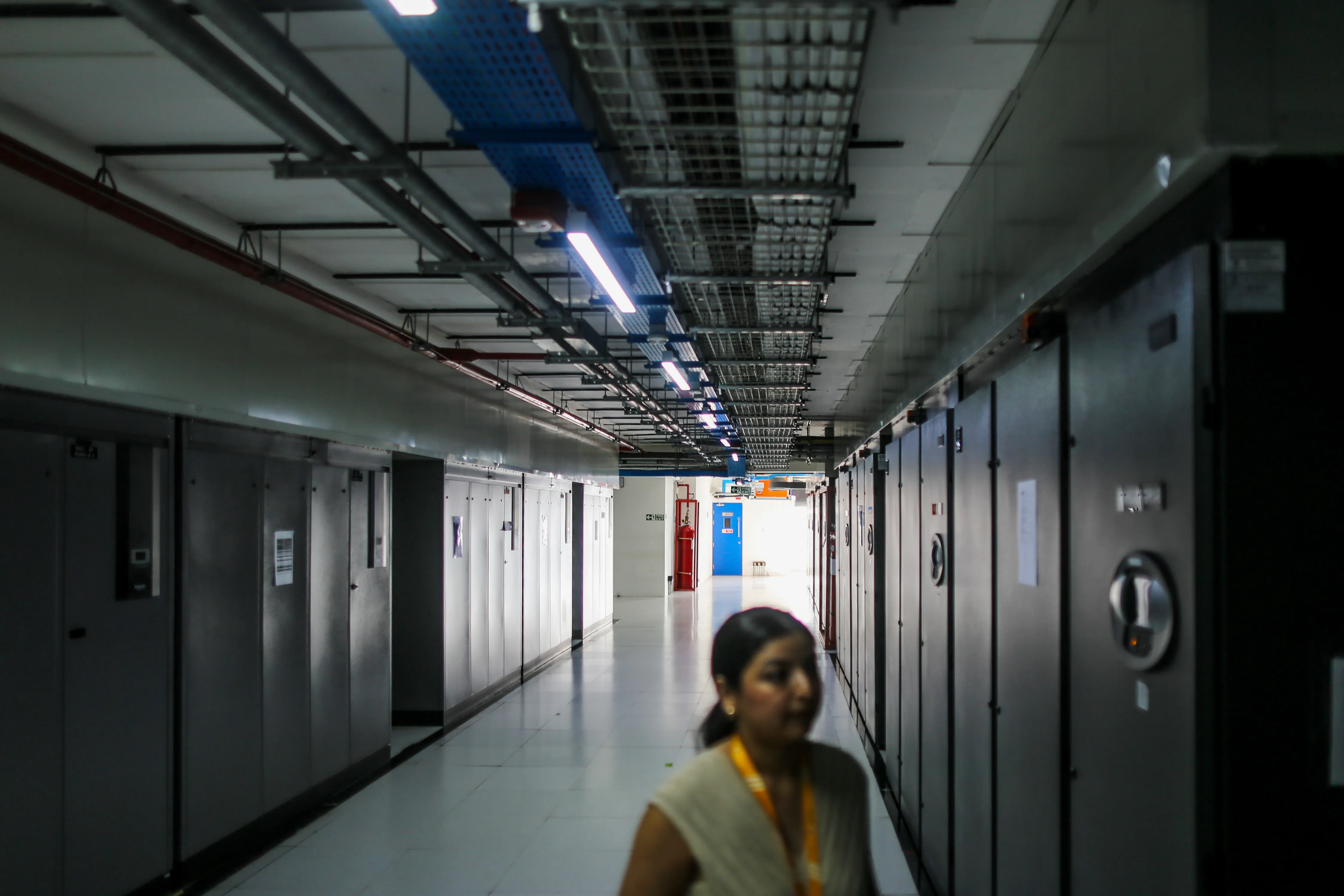
A new report from BloombergNEF projects that US data centres will consume one-fifth of the nation’s electricity by 2035, representing a fourfold increase from current levels. This surge is primarily driven by the expansion of artificial intelligence compute capacity, with data centre capacity expected to reach nearly 200 gigawatts over the next decade. Nearly half of that capacity will be devoted to training and inference, with most of the infrastructure remaining concentrated in the United States.
The rapid expansion is placing significant strain on US electrical grids, particularly in the PJM Interconnection and ERCOT regions. In the PJM region, which spans from Virginia to Illinois, 34% of electricity will go to data centres, while in ERCOT, covering most of Texas, 22% of generating capacity will be devoted to them. This concentration has led to connection delays, utility withdrawals, and a 76% rise in electricity prices over the past year.
PJM, which already hosts a large number of existing facilities, has struggled to cope with connection requests from both large generators and large loads. The grid operator previously paused applications for new sources to connect to the grid for four years due to these struggles. Although the queue for new generating sources reopened in April, the supply-demand imbalance has persisted, prompting American Electric Power to threaten to pull out of the interconnection.
Other organisations have also revised their forecasts upwards, reflecting the fevered pace of development. BloombergNEF’s new estimate for 2035 electricity demand is 83% higher than its December forecast. EPRI, an electrical industry nonprofit, more than doubled its 2024 estimate, while S&P’s forecast rose by more than a third between October and April. The report notes that previous forecasts could be conservative, suggesting actual figures may exceed current predictions.
Globally, new data centres built through 2033 could generate 1,935 terawatt-hours of new electricity demand, equivalent to India’s current annual usage. By 2033, the US will host 64% of AI chips by power demand. Despite the congestion, data centres continue to seek grid access, representing 38% of charges in PJM’s most recent capacity auction.
