US data centre protests block $130 billion in projects as grassroots movement gains political traction
Data Center Watch reports 75 projects delayed or halted in early 2026, with opposition groups doubling nationwide as residents leverage water and land use concerns to influence elections.
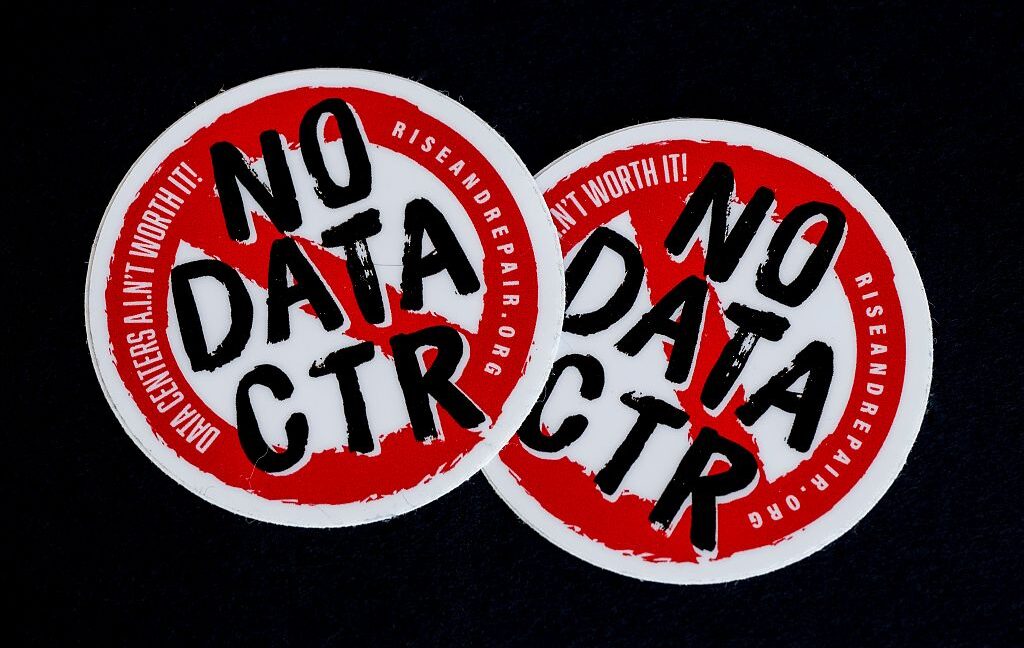
Protests have blocked or delayed at least 75 data centre projects in the United States worth approximately $130 billion between January and March 2026, marking the highest value for a three-month period since tracking began in 2023. According to Data Center Watch, a project by AI intelligence firm 10a Labs, this surge represents a structural shift rather than a cyclical spike. The number of active opposition groups has more than doubled to 833 across 49 states, with communities utilising a coordinated playbook to challenge construction based on concerns over water usage, land use, and utility costs.
This grassroots momentum is increasingly influencing midterm elections, with politicians from both parties showing growing sympathy for resistance. Sociologist Tressie McMillan Cottom, who has studied organizers in North Carolina, described the movement as providing participants with a "taste of political power." She noted that opponents are engaging in political education regarding water rights and thermodynamics, driven by a desire to reclaim agency against perceived corporate malfeasance and political impotence.
The scale of the disruption is significant, with the first quarter of 2026 nearly matching the total value of blocked projects for all of 2025, which stood at approximately $156 billion. Researchers indicated that the back half of 2025 marked a turning point where opposition emerged as a national narrative, fundamentally reshaping site viability and regulation. In some instances, opposition mobilised before any project was officially filed, with mere rumours of construction triggering organised resistance.
Proponents argue that data centres provide substantial economic benefits, citing Loudoun County in Virginia, where facilities occupying just 3 per cent of land generate nearly half of the county’s property-tax revenue, projected at $1.3 billion for 2026. Similarly, Meta claimed a public relations win in Louisiana, where a project doubled Richland Parish’s sales and use tax, enabling $50,000 bonuses for teachers under a specific ordinance. However, critics argue that such deals often bypass comprehensive environmental reviews, prompting Illinois Governor J.B. Pritzker to push for legislative frameworks requiring proper environmental assessments.
As the debate intensifies, developers and tech firms are adapting their strategies. A developer in Utah reduced the approved land area for a site by 50 per cent following backlash and vowed to handle communications personally to increase transparency. Meanwhile, OpenAI released a report claiming China was attempting to influence the US debate by using ChatGPT to generate content swaying public sentiment. Analysts suggest that the resistance is driven as much by symbolic concerns over corporate influence as by tangible costs, with figures like Representative Alexandria Ocasio-Cortez utilising visual protests to pressure regulators over alleged pollution failures.