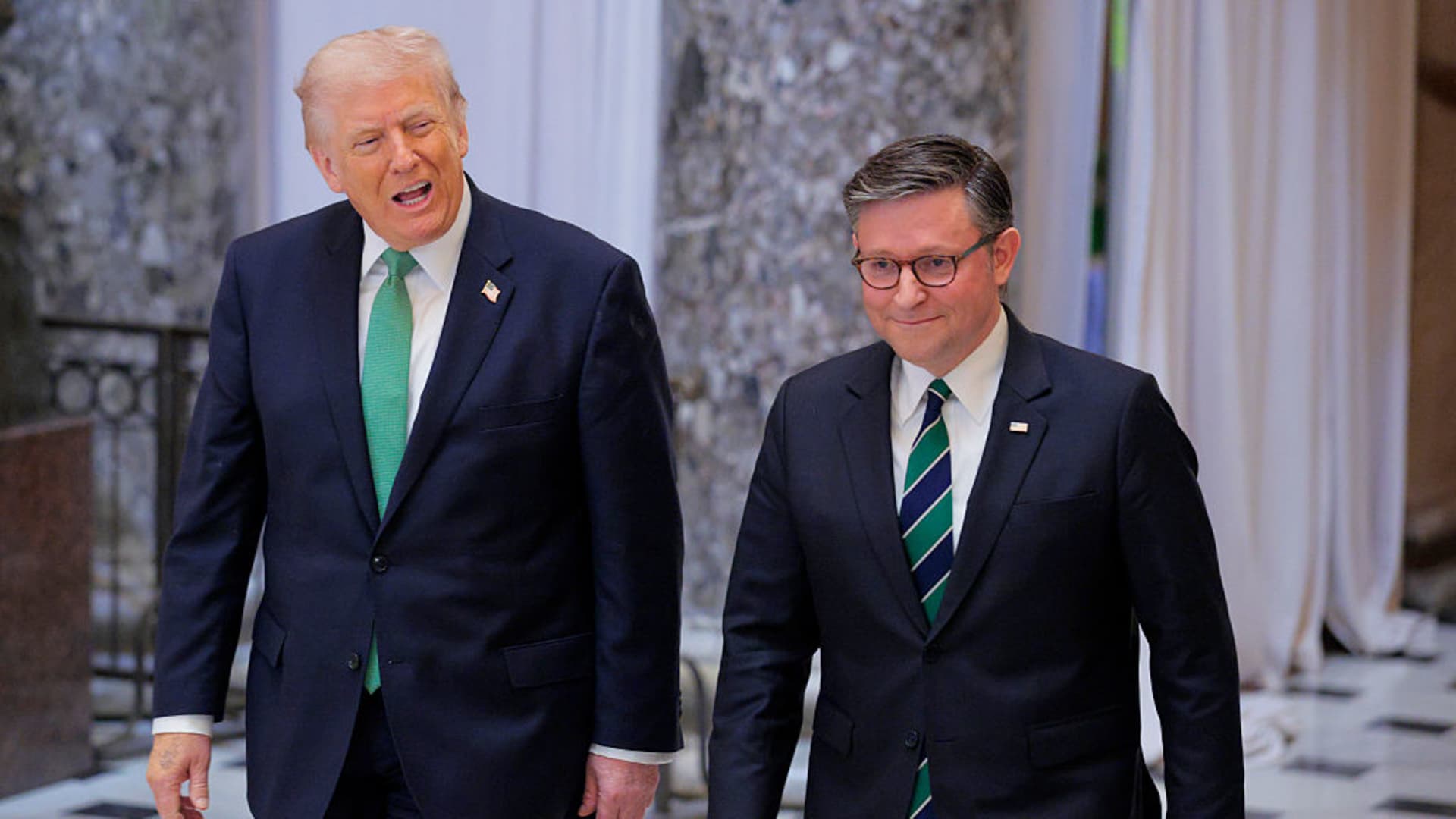
U.S. crude oil drops below $100 per barrel as Trump signals Iran talks near conclusion
West Texas Intermediate falls below the psychological threshold following reports of final-stage negotiations, while Brent crude retreats 5% amid eased supply fears.
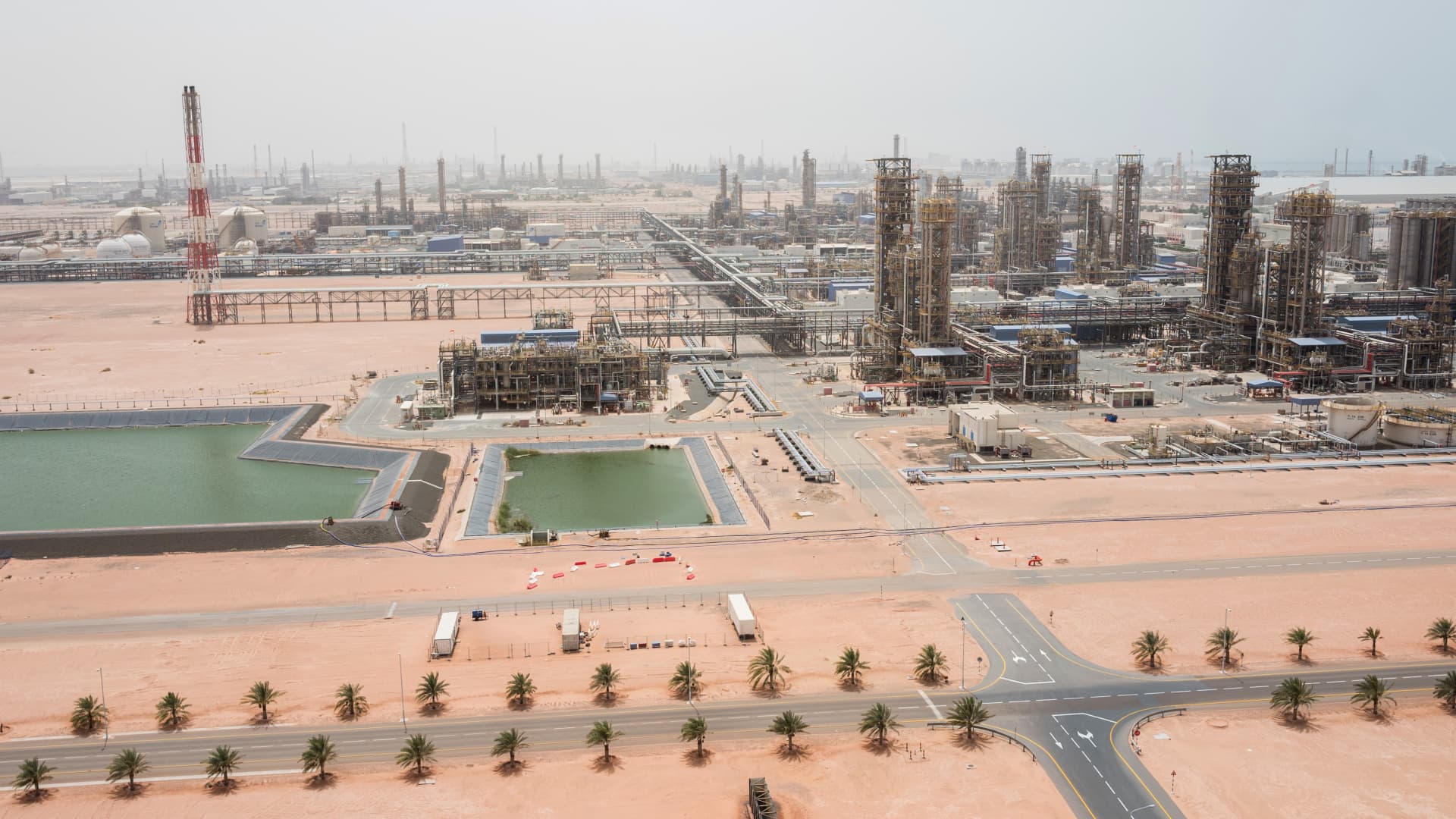
U.S. crude oil prices have slipped below the $100 per barrel mark, responding to statements from President Donald Trump indicating that negotiations with Iran are in their final stages. According to a pool report, the President told reporters that the administration is nearing a resolution with Tehran, a development that has immediately altered market sentiment regarding global energy supplies.
The decline in crude prices coincided with data from financial information provider LSEG, which reported that three crude oil tankers had successfully transited the Strait of Hormuz. The strait, a critical chokepoint for global energy flows, had previously been the source of significant anxiety regarding potential supply shortages. The successful passage of these vessels contributed to a broader easing of risk premiums in the energy sector.
West Texas Intermediate (WTI) fell below the $100 per barrel threshold, while Brent crude, the international benchmark, declined by approximately 5%. This pullback in oil prices has contributed to a wider rally in U.S. equities and has helped ease bond yields, reflecting a shift in investor confidence as immediate geopolitical tensions appear to de-escalate.
The market movement follows a period of heightened volatility driven by fears of disrupted shipping lanes. The combination of the President’s comments and the tangible evidence of resumed transit through the Strait of Hormuz has provided a dual catalyst for the price correction. Investors appear to be pricing in a reduced likelihood of immediate conflict-related supply shocks.
While the specific details of the negotiations remain undisclosed, the administration’s framing of the talks as being in the final stages has been sufficient to trigger a significant repricing of risk assets. The event underscores the sensitivity of energy markets to diplomatic developments in the Middle East and the pivotal role of strategic waterways in global trade.