US Court Strikes Down Global Tariff, Citing Gold Standard Loophole
The Court of International Trade has declared a 10 per cent global tariff unlawful, ruling that the administration lacked authority under Section 122 of the Trade Act of 1974 because the US no longer operates on the gold standard.
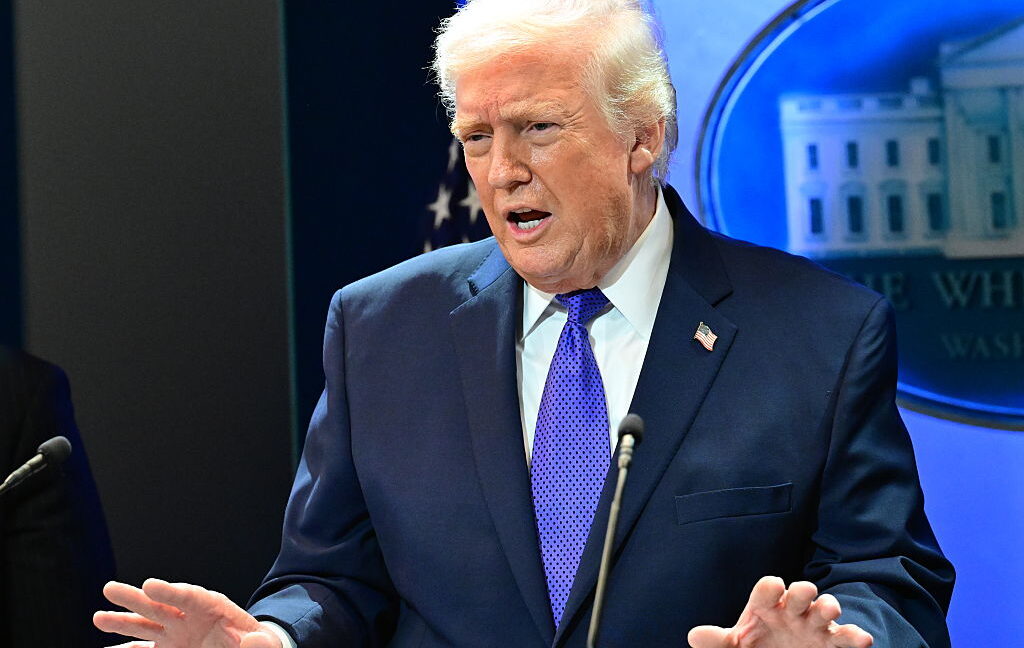
The United States Court of International Trade has ruled that President Donald Trump's newly imposed 10 per cent global tariff is illegal. In a 2-1 decision, the court determined that the administration lacked the statutory authority to impose the levy under Section 122 of the Trade Act of 1974. The judges found that the provision relies on the existence of a balance-of-payments deficit, a condition the court deemed impossible to meet under the US current floating exchange rate system.
The core of the dispute centred on the historical context of the legislation. The court reasoned that Congress could not have intended to grant the President expansive authority to declare a deficit in a monetary system where the dollar is not pegged to gold. While the administration argued it could unilaterally redefine terms to fit the situation, the judges rejected this interpretation, noting that words have specific meanings and that large and serious balance-of-payments deficits cannot occur in a floating exchange rate system.
This decision effectively invalidates the emergency tariff lever the President sought to utilise ahead of critical trade negotiations with China. The ruling comes just a week before President Trump is scheduled to meet with Chinese President Xi Jinping, potentially removing significant negotiation leverage from the US side. The court noted that the President's argument relied on the ability to select among sub-accounts to identify a deficit, a strategy the majority found unpersuasive given the legislative history.
Regarding financial restitution, the court limited refunds to only those importer plaintiffs who initiated the lawsuit. This narrow approach avoids a universal injunction that would have required nationwide refunds, a move the administration had hoped to prevent. While the ruling does not require a blanket return of funds collected across the economy, it does halt the collection of the specific Section 122 tariffs for the duration of the legal proceedings.
President Trump has vowed to pursue his trade agenda through alternative legal authorities, specifically Section 301 investigations, which are currently under review by the US Trade Representative. Stakeholder hearings for these investigations are ongoing, with new tariffs potentially expected as early as July. The administration faces pressure to conclude new tariff regimes within weeks or months to maintain momentum without the emergency tools previously available.
Tech industry groups, including the Consumer Technology Association and the Information Technology and Innovation Foundation, have urged the US Trade Representative to focus Section 301 tariffs narrowly on China rather than applying them globally. They warn that broad, economy-wide tariffs raise costs for US manufacturers, retailers and consumers while delivering limited enforcement benefits, potentially discouraging investment in domestic manufacturing.
