US court hears challenge to Trump administration policy restricting visas for content moderation experts
Judge James Boasberg considers whether the policy chills free speech and academic research, as the administration defends its authority to exclude experts demanding global content standards on US platforms.
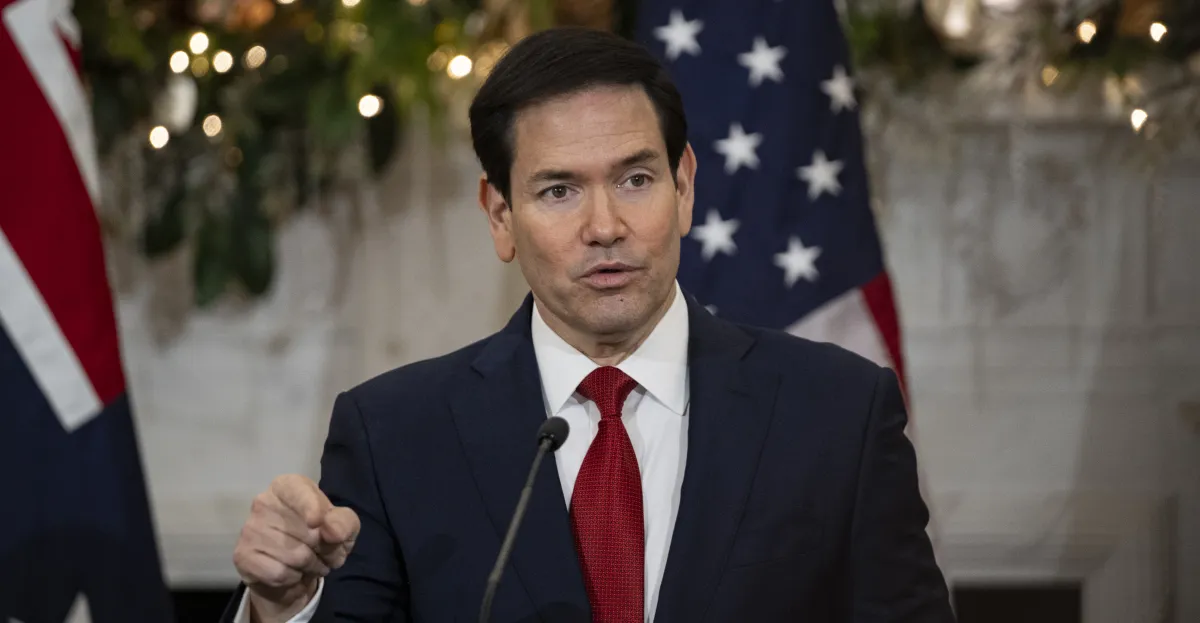
A US District Court has heard arguments in a legal challenge against the Trump administration’s State Department policy, which permits visa restrictions for foreign officials who demand American technology platforms adopt global content moderation standards. The lawsuit, filed by the Coalition for Independent Technology Research (CITR), seeks a preliminary injunction, arguing the policy chills free speech and academic research. The administration defended its authority to exclude such experts, asserting the policy targets conduct linked to foreign governments.
The policy in question was announced in May last year, with the State Department issuing sanctions against five individuals in December. These targets included former EU official Thierry Breton and executives from the Center for Countering Digital Hate (CCDH) and the Global Disinformation Index (GDI). The department stated that the sanctioned individuals had advanced censorship crackdowns by foreign states. CITR, a nonprofit comprising CCDH and GDI, contends the policy creates a chilling effect on lawful permanent residents and independent researchers.
During the hearing, US District Court Judge James Boasberg questioned the government’s narrow interpretation of the policy. Government attorney Zack Lindsey argued that the rules target only the conduct of people working for foreign governments, asserting that independent researchers have nothing to fear. However, Boasberg challenged the administration’s claim that a court can only decide if a policy is constitutional in the context of a legal challenge for an individual visa-holder facing deportation.
Carrie DeCell of the Knight First Amendment Institute, arguing on behalf of CITR, pointed out there is no evidence that Imran Ahmed, CEO of CCDH, was coordinating with a foreign government. Ahmed is a lawful permanent US resident. Lindsey insisted that Ahmed was not actually targeted under the policy, despite Secretary of State Marco Rubio referencing it in a memo advising that Ahmed was deportable. Lindsey argued that the details of any particular target do not undermine the State Department’s larger authority.
CITR executive director Brandi Geurkink highlighted the practical impact of the policy, stating that the chilling effect prevents research from happening. Researchers have reportedly held back from publishing work or discussing it publicly due to fear for their visa status. Boasberg noted the ambiguity in what constitutes working with a foreign government, a point DeCell suggested seems to be part of the strategy. The judge will soon decide whether the policy must be stopped to prevent irreparable harm.
