US Counterterrorism Blueprint Criticised for Ideological Threat Rankings and Omissions
The White House strategy omits violent far-right movements while ranking militant leftists against global networks, drawing sharp rebuke from security analysts and former officials.
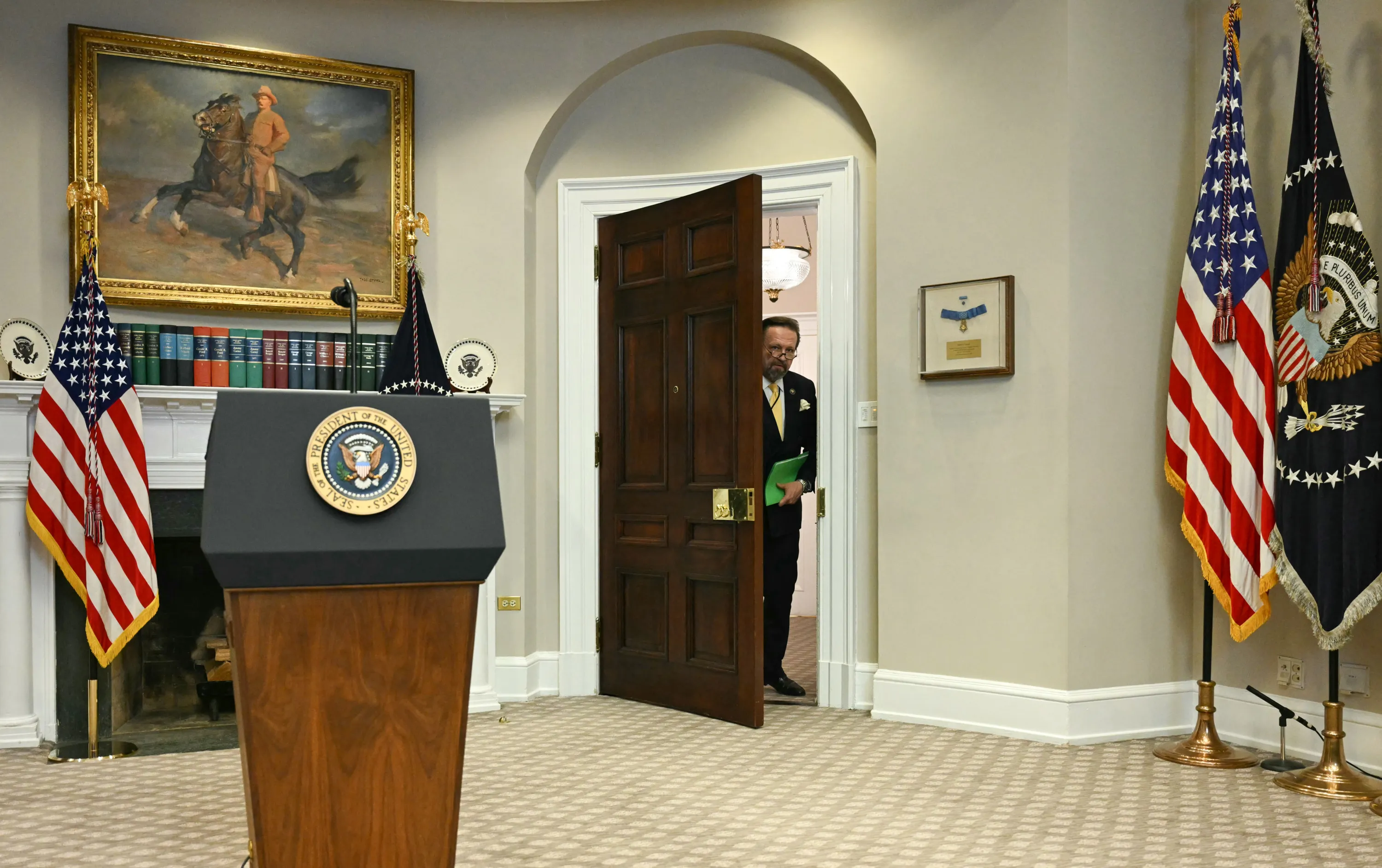
Sebastian Gorka, the White House counterterrorism czar, released a 16-page counterterrorism strategy on 6 May that has drawn sharp criticism from current and former officials, threat analysts, and experts for ranking threats based on political ideology rather than intelligence data. The document omits violent far-right movements, which the FBI identifies as the leading domestic threat, while portraying militant leftists as comparable to global networks such as al-Qaida. Experts describe the blueprint as a "partisan screed" that ignores established data and conflicts with the administration’s own actions.
The strategy begins with a foreword signed by President Donald Trump, who claims credit for ending "four years of weakness, failure, surrender, and humiliation under the last administration." Analysts say the rest of the strategy often reads like a valentine rather than a sober national security communique. Under Trump’s leadership, it states, "America is again the world’s most powerful nation, with the largest economy in history, the most advanced technologies, and the bravest and most skilled warfighters the world has ever seen."
The strategy’s top threat categories align with the president’s pet issues, including the villainizing of Democrats and leftist dissent. The language also echoes debunked right-wing conspiracy theories the president has shared about a stolen election, a purported genocide of Christians and existential threats to Western civilization by what the strategy calls “alien cultures.” One section refers to Christians as “the most persecuted people on Earth.” “This was once a serious document written by serious people” across Democratic and Republican presidencies, veteran terrorism analyst and former Obama administration official Juliette Kayyem lamented on X. “Now it reads like a partisan screed.”
Analysts say the most obvious hole is the omission of violent far-right movements. Federal authorities have said for years that neo-Nazi and anti-government militia groups pose the most active and lethal domestic threats, though recently authorities have noted increases in leftist and mixed-motive attacks. For example, on Sept. 10, the same day conservative youth leader Charlie Kirk was assassinated at an outdoor event in Utah, a 16-year-old gunman who was steeped in online forums for white supremacy and mass-shooter fandom opened fire at a Colorado high school, critically wounding two students before killing himself.
The strategy is concerned only with the kind of violent extremism the White House ascribes to Kirk’s alleged shooter, who is labeled a violent left-wing “radical who espoused extreme transgender ideologies.” Terrorism analysts say the attack motives do not appear so clear-cut; the suspect, who has yet to go on trial, reportedly comes from a Republican family but had shifted politically and had expressed opposition to the “hatred” he said Kirk spread. Just last week, a lawsuit related to a deadly shooting last year at Florida State University revealed that the gunman had used ChatGPT to explore “his interests in Hitler, Nazis, fascism” and other far-right topics.
Several of the White House’s stated counterterrorism objectives conflict with the president’s own actions, analysts say. For one, the pledge of stepped-up efforts to thwart plots doesn’t factor in the diminished capacity of federal agencies since Trump slashed the national security workforce last year and diverted counterterrorism resources to his mass deportation campaign. Terrorism analyst Colin Clarke, executive director of the security-focused Soufan Center and a Gorka critic, summarized the document as “highly partisan & mostly incoherent.”
Gorka did not reply to a request for comment. The White House, asked about criticisms of the plan, referred to a number of Gorka’s public statements touting it. Olivia Wales, a White House spokesperson, added in an email, “President Trump is crushing terrorist threats to the United States and will never let cartels, Jihadists, or the governments who support them plot against our citizens with impunity.”