US consumer brands cede ground in China to domestic rivals
Nike, Starbucks and General Motors are facing intensified competition in the Chinese market, where geopolitical tensions and shifting consumer tastes are favouring local alternatives.
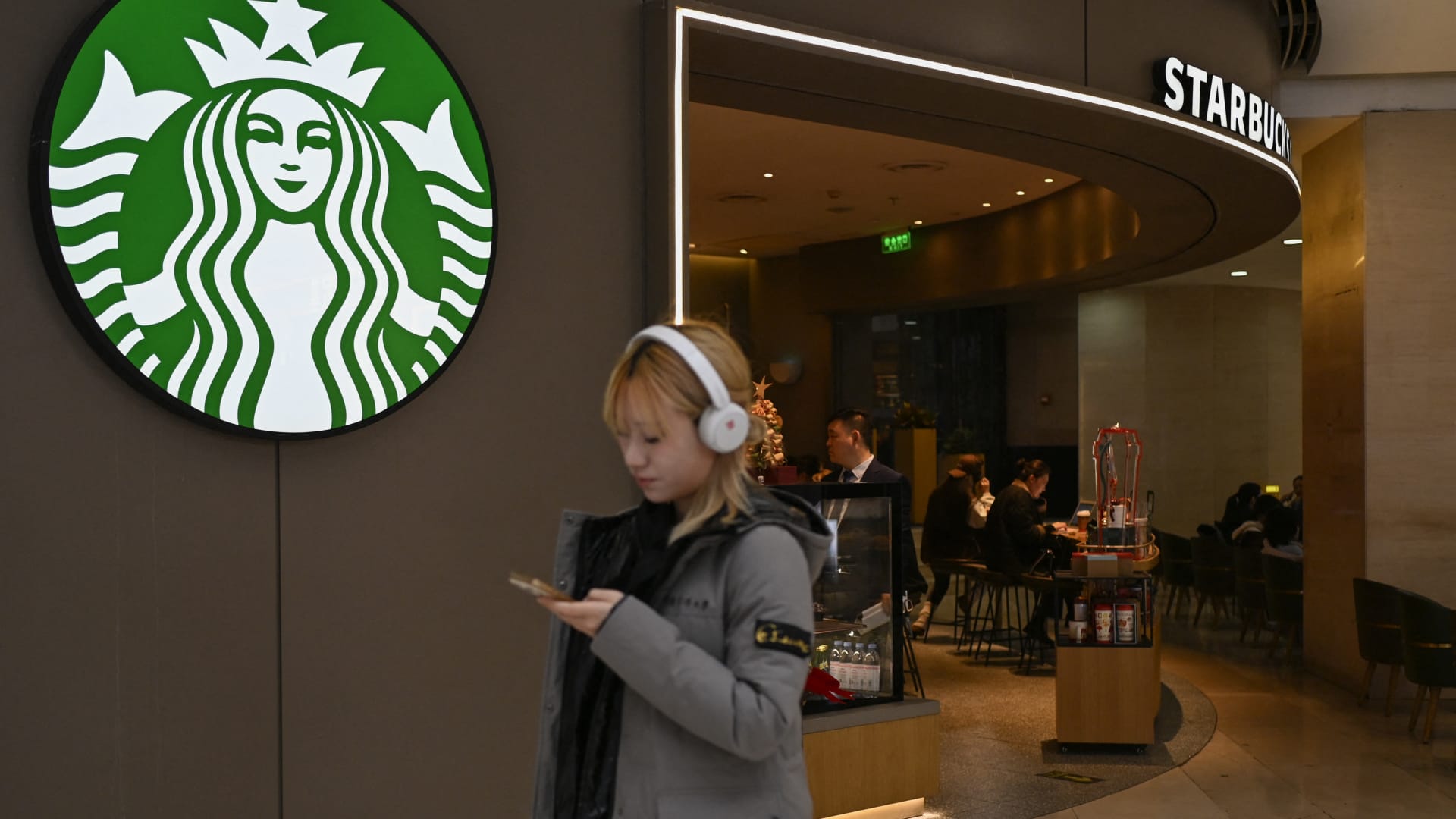
Major American brands are losing market share in China, according to a report from CNBC. The decline affects prominent names in the retail, food and beverage, and automotive sectors, specifically Nike, Starbucks and General Motors. These companies are finding it increasingly difficult to maintain their previous dominance as the competitive landscape in the world’s second-largest economy undergoes significant transformation.
The primary driver of this shift is the rise of strong domestic rivals. Chinese competitors have gained substantial traction in their respective industries, offering products and services that resonate more closely with local tastes. This intensification of local competition has eroded the market position of these US giants, which once commanded a significant presence in the region.
Geopolitical tensions between the United States and China also play a critical role in the current dynamic. These broader political frictions have influenced consumer sentiment, making some buyers more receptive to home-grown brands. The interplay between trade relations and national identity is reshaping purchasing habits, further complicating the outlook for foreign firms operating in the market.
Consumer preferences within China are evolving, adding another layer of complexity for American brands. The source material indicates that changing tastes are a key factor in the loss of ground, although specific details on the nature of these shifts are not elaborated upon. This suggests that the appeal of traditional US branding is waning as local tastes become more distinct and sophisticated.
While the broader US economic environment shows positive signals, such as easing inflation and strong earnings from technology firms, consumer-facing brands face specific headwinds in Asia. This divergence highlights that a strong domestic US market does not automatically translate to success in international territories, particularly where local competition is fierce.
The report does not provide specific percentage figures for the magnitude of the market share loss, nor does it detail the exact timeline of when these brands began losing significant ground. However, the convergence of domestic competition, geopolitics and changing preferences presents a clear challenge for these American companies in the near term.