US completes third consecutive night of strikes on Iran as Tehran targets regional bases
Military operations intensify as Washington continues bombardment campaign while Tehran responds with attacks on US assets and claims of maritime blockade, raising concerns for global supply chains.
The United States has completed a third consecutive night of military strikes against Iranian military assets, marking a significant escalation in the ongoing conflict in the Middle East. According to a report by CNBC, the sustained bombardment campaign is met with direct retaliation from Tehran, which has targeted United States military facilities located within the region.
This latest round of hostilities follows a series of aggressive moves by both sides. Early on Thursday, Iran time, United States forces conducted a bombing raid involving the firing of 49 Tomahawk missiles at Iranian targets. In response to these actions and a previous attack on Beirut’s southern suburbs, Iran has fired missiles at Israeli targets. Israel has simultaneously conducted strikes on military targets in western and central Iran, including the cities of Tehran, Tabriz, and Isfahan.
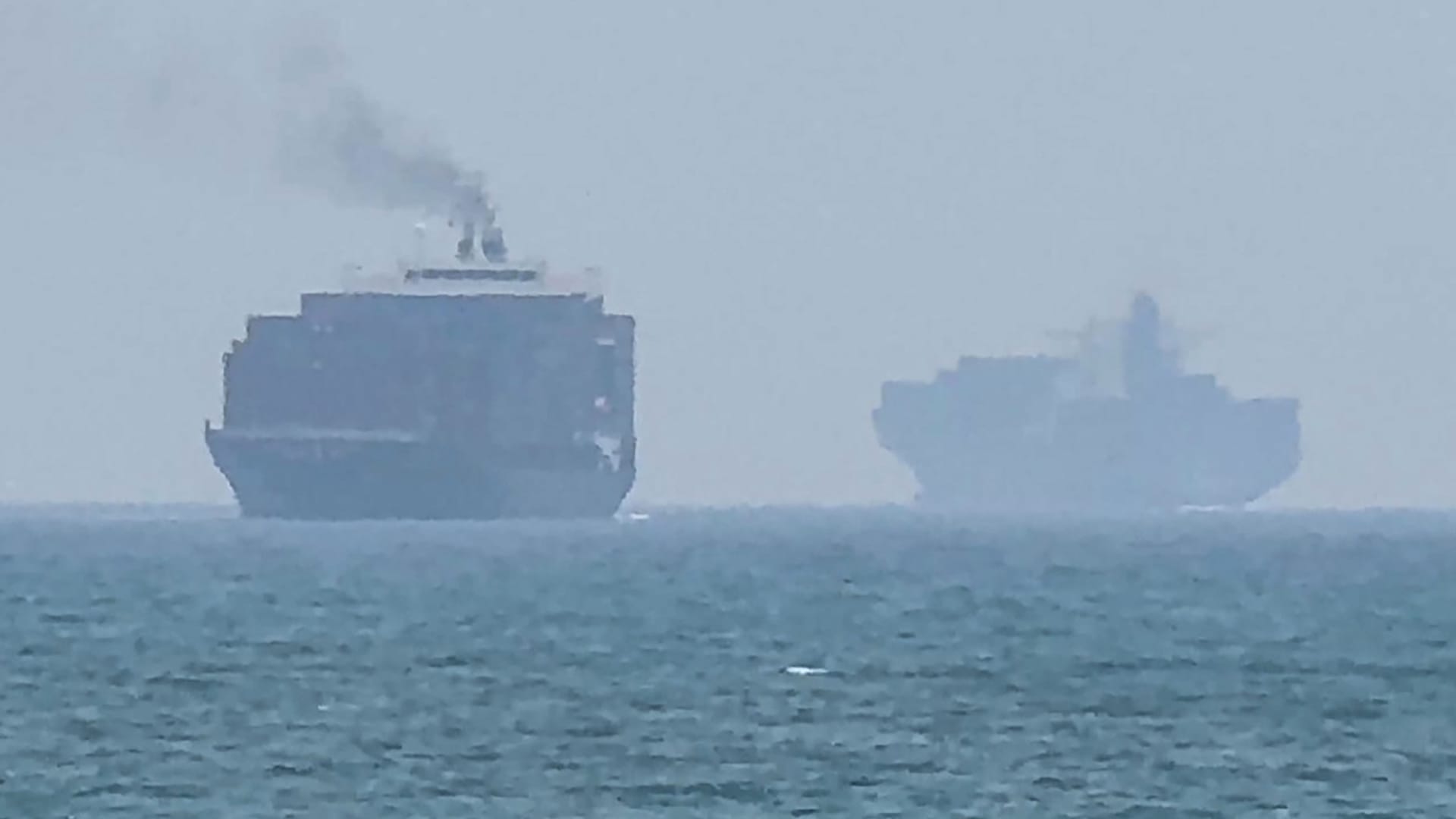
Compounding the security concerns, Iran’s Khatam al-Anbiya command has announced that the Strait of Hormuz is closed. This waterway is a critical chokepoint for global oil supplies, and any disruption to maritime traffic in the area has immediate implications for energy markets and international trade. However, the operational status of the strait remains unverified, and the precise scope of damage or casualties resulting from the current exchanges of fire has not been provided in available reports.
The conflict has seen rapid intensification over recent days. Prior to the current night of strikes, Iran had threatened to target vessels in the Strait of Hormuz following earlier United States strikes. The announcement of the strait's closure by Iranian military command suggests a deliberate attempt to leverage maritime control as a strategic tool in the broader geopolitical dispute.
As the situation evolves, markets and investors are closely monitoring the potential for further escalation. While the immediate focus remains on the military engagements between the United States, Iran, and Israel, the threat to global shipping lanes introduces a layer of uncertainty for commodity prices and supply chain stability. The lack of detailed information regarding specific damage or casualties underscores the fluid and volatile nature of the current crisis.