US Commerce Department approves 10 Chinese firms for NVIDIA H200 chip purchases
Despite official permission from Washington, Chinese companies have paused acquisitions following government guidance, leaving supply chains in limbo as diplomatic tensions persist.
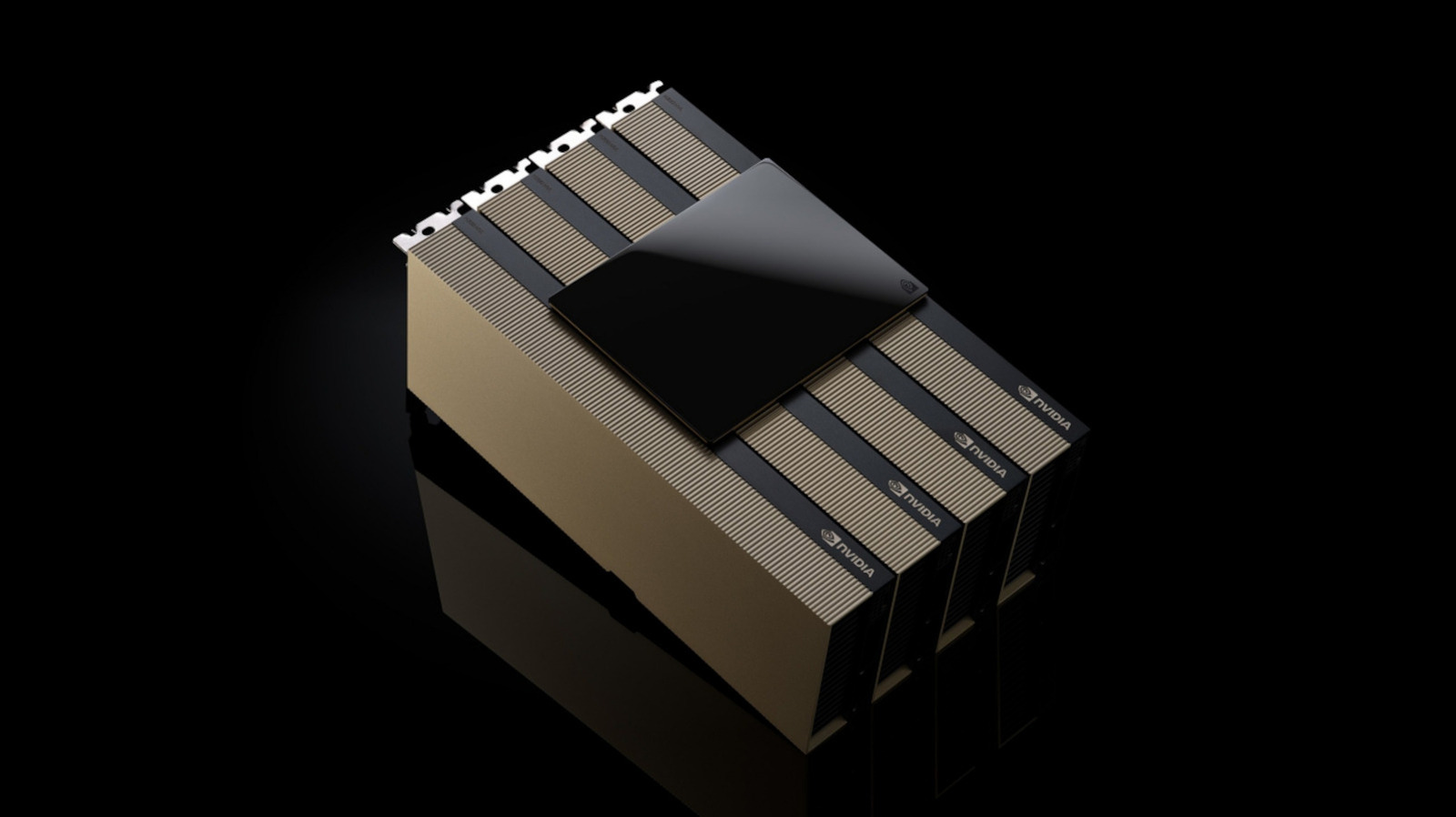
The US Commerce Department has reportedly authorised ten Chinese technology firms to purchase NVIDIA’s H200 artificial intelligence processors. The approved list includes major industry players such as Alibaba, Tencent, ByteDance, JD.com, Lenovo and Foxconn. This development marks a significant shift in regulatory stance, allowing these entities to acquire the chips either directly from NVIDIA or through intermediaries, with each firm permitted to buy up to 75,000 units.
Despite the regulatory green light, Reuters reports that NVIDIA has not yet commenced any deliveries of the hardware. The approval follows a period of uncertainty that began in December 2025, when the US government initially reversed a previous ban on H200 sales to China, citing concerns that the technology could aid military development. By January 2026, Beijing had reportedly agreed to import several hundred thousand of these chips, with initial shipments targeted at three unnamed internet companies.
Chinese firms had previously paused their purchasing activities following guidance from domestic authorities. This pullback was triggered by shifts in US policy, although the specific nature of these changes remains unclear. The hesitation highlights the complex interplay between commercial demand and geopolitical risk management, as companies navigate an environment where regulatory approvals do not automatically translate into immediate supply chain execution.
Security concerns also play a critical role in the current standoff. Chinese authorities have expressed apprehension regarding potential hidden vulnerabilities within the H200 processors. These concerns are partly rooted in the logistics of the transaction; to allow the US government to collect a 25 percent export fee, the chips must pass through US territory, raising fears about data integrity and national security among Beijing’s regulators.
The H200 represents NVIDIA’s second-most powerful AI chip, ranking below the B200 but offering significantly greater capability than the H20, which was cleared for the Chinese market six months prior. As US export restrictions continue to erode NVIDIA’s market share in the region, Chinese companies have been accelerating the development of domestic alternatives, with the government actively encouraging the adoption of homegrown chips to stimulate the local industry.
Diplomatic engagement has recently intensified, with NVIDIA CEO Jensen Huang travelling to Beijing alongside US President Donald Trump to meet Chinese President Xi Jinping. While this summit underscores the high stakes involved in the semiconductor trade, it remains uncertain whether these diplomatic efforts will result in Chinese companies receiving the final approval to resume H200 purchases and lift the current pause on acquisitions.
