US coal generation falls over 10 per cent as solar and hydro surge in early 2026
First-quarter data shows electricity demand rising by just 1.5 per cent, while renewables grew by 11 per cent, driven by a 24 per cent jump in solar and a 22 per cent increase in hydroelectric power.
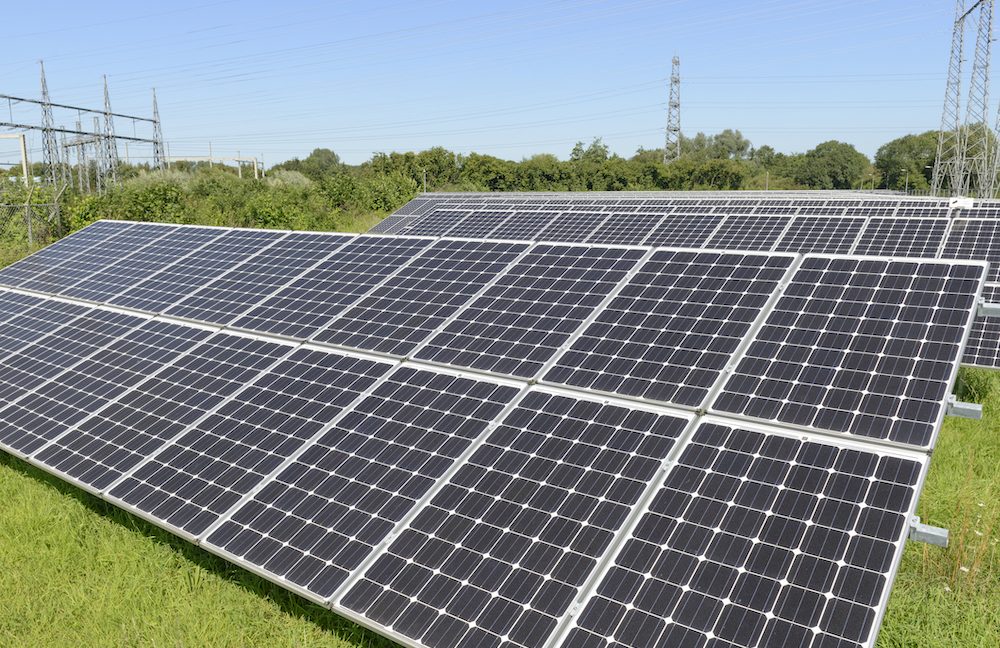
First-quarter 2026 data reveals a continued shift in the US electricity mix, with coal generation dropping by more than 10 per cent as renewable energy output surged. Overall fossil fuel use fell by approximately 3 per cent, even as total electricity demand grew by 1.5 per cent. The decline in coal comes despite the Trump Administration’s efforts to keep coal plants operational past their planned closure dates, highlighting a divergence between policy intent and market realities.
Renewable energy generation increased by 11 per cent compared to the same period last year, significantly outpacing the modest rise in demand. Solar power was a primary driver, with output rising by 24 per cent. This growth alone was sufficient to offset 80 per cent of the increase in electricity demand. Natural gas use grew slightly during the quarter, meaning coal absorbed the brunt of the displacement among fossil fuels.
Hydroelectric production also experienced a sharp rise, increasing by 22 per cent. This surge moved hydro slightly ahead of solar as a source of US electricity for the quarter, a reversal from 2025. However, this increase was not the result of new infrastructure; no major new dams have been completed. Instead, the rise is attributed to unseasonal warmth in the western US causing an early snowpack melt.
The weather patterns driving this shift were uneven across the country. While the western half of the US experienced unusually warm temperatures, the eastern half suffered a deep freeze. This combination likely kept overall demand growth low, as weather-related heating demands were mixed. Analysts suggest that the early snowpack melt may lead to a drop in hydro productivity later in the year, potentially reversing the current rankings between solar and hydro.
The trend stands in contrast to the Trump Administration’s priorities, which have included legal challenges to renewable development and orders to maintain coal capacity. A lawsuit is currently underway challenging the legality of the orders to keep coal plants open. With coal generation falling and renewable growth continuing, the data suggests these administrative interventions have had little immediate impact on the grid’s trajectory.
