NASA opens $30 billion Jet Propulsion Laboratory contract to competitive bidding
With the US space economy expanding, NASA invites bids from universities and major contractors to manage the historic facility, citing potential gains in efficiency and innovation.
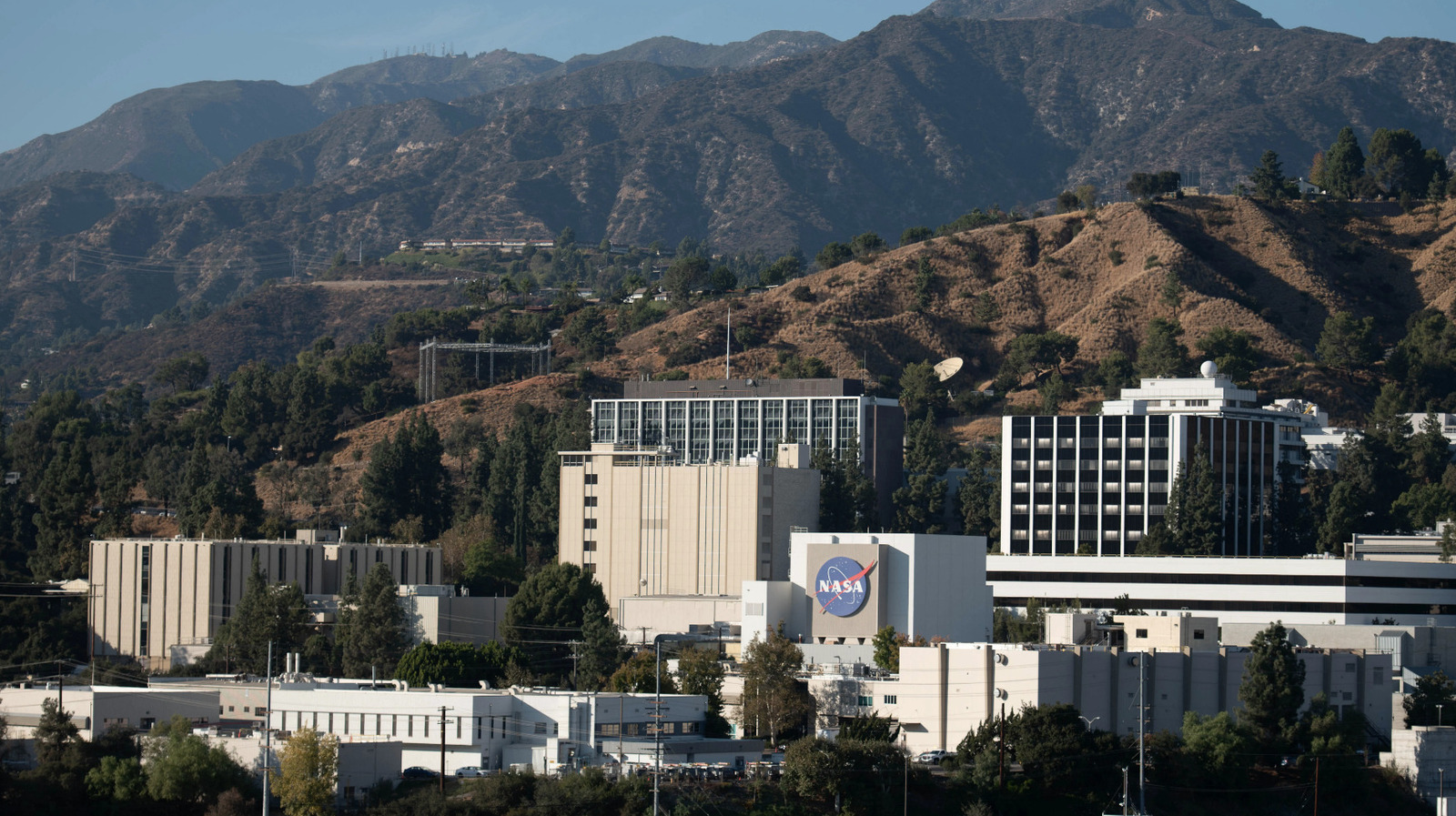
NASA has issued a formal notice inviting bids to manage the Jet Propulsion Laboratory (JPL) once its long-standing contract with the California Institute of Technology (Caltech) expires in 2028. The agency stated that the rapid growth of the US space economy indicates a viable competitive market, prompting a review of alternative management approaches to enhance mission performance, innovation, and cost efficiency.
The management contract is valued at a minimum of $30 billion. Caltech has operated the laboratory since its founding in 1936, with the facility predating the establishment of NASA by more than two decades. While the search for a new partner marks a significant shift, the agency confirmed that Caltech is not being excluded from the process, but rather that NASA is exploring options to assess potential benefits of different management structures.
Potential bidders include other universities with strong aerospace engineering capabilities, as well as major defence contractors such as Lockheed Martin and Boeing. The JPL is classified as a Federally Funded Research and Development Centre (FFRDC), a designation typically reserved for not-for-profit entities like universities or charitable arms of corporations. However, the evolving landscape of the space sector has opened the door for broader participation in the bidding process.
This initiative aligns with broader government efforts to find efficiencies across federal agencies. The move comes amid heightened scrutiny of NASA’s budget, with the Trump administration recently requesting a 23 percent cut to the agency’s funding. Such reductions would directly impact the JPL, leading to speculation that NASA may be seeking a management partner with substantial financial resources to help sustain operations amidst potential fiscal constraints.
NASA initiated the solicitation process well in advance of the 2028 deadline to ensure operational continuity. The agency explicitly noted that laboratory operations will not be impacted by the transition, regardless of which entity ultimately secures the management role. The search aims to balance the need for fiscal responsibility with the imperative to maintain the high standards of scientific output expected from one of the nation’s premier research facilities.
