US climate tech firms pivot to critical minerals for financial survival
Strategic realignment towards politically popular sectors allows startups to maintain operations while preserving long-term green technology goals.
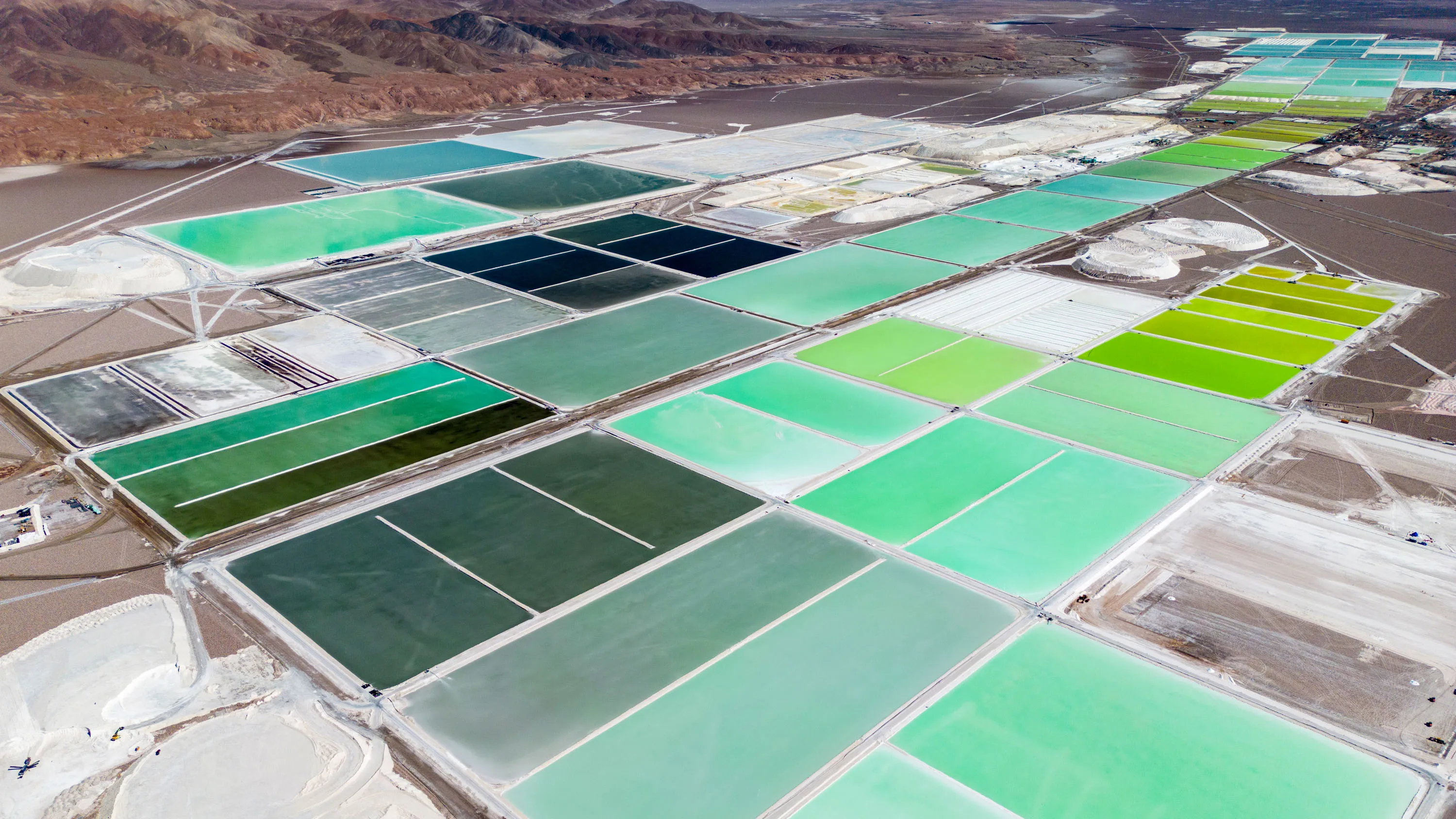
Climate technology companies in the United States are increasingly redirecting their strategic focus from decarbonisation efforts to the production of critical minerals. This shift is occurring against a backdrop of weak federal support for climate initiatives under the second Trump administration, with firms seeking financial viability through sectors deemed politically popular, such as data centres and energy abundance.
Boston Metal, a startup previously recognised for its low-emission steel production via molten oxide electrolysis, has raised $75 million in a new funding round. The company is now prioritising the production of critical metals including niobium, tantalum, chromium, and vanadium. These materials are essential for aircraft engines and high-end steel alloys, offering a revenue stream that the company argues is necessary to sustain its broader operations.
Tadeu Carneiro, chief executive of Boston Metal, stated that deploying technology in the critical metals industry would generate the resources required to continue developing its steel technology. The pivot comes after the company achieved significant milestones in its steel business, including running a pilot reactor in Massachusetts and producing one ton of material. However, the massive scale of the steel industry and low product prices have made decarbonisation efforts financially challenging.
Similarly, California-based Brimstone has updated its public messaging to highlight the production of smelter-grade alumina alongside cement. This adjustment follows the cancellation of $1.3 billion in funding from the US Department of Energy for cement-related projects, which impacted both Brimstone and Sublime Systems. A representative for Brimstone had previously described the cancellation as a misunderstanding, noting that the facility was intended to produce alumina to support US aluminum production in addition to cement.
Some carbon dioxide removal companies are also exploring partnerships with the mining industry, offering efficiency services or cleanup solutions for mine sites. While this broader messaging shift away from climate change has raised concerns about losing focus on emissions reduction, proponents argue that leveraging critical mineral demand allows firms to remain operational long enough to eventually make a difference in the climate sector.
