US Census Draft Rule Proposes Excluding Undocumented Immigrants and Scrapping Race Data
A proposed rule for the 2030 census circulating within the US Department of Commerce would omit undocumented immigrants from apportionment counts and remove questions on race and sexual orientation, sparking warnings of suppressed political power and diverted federal funding.
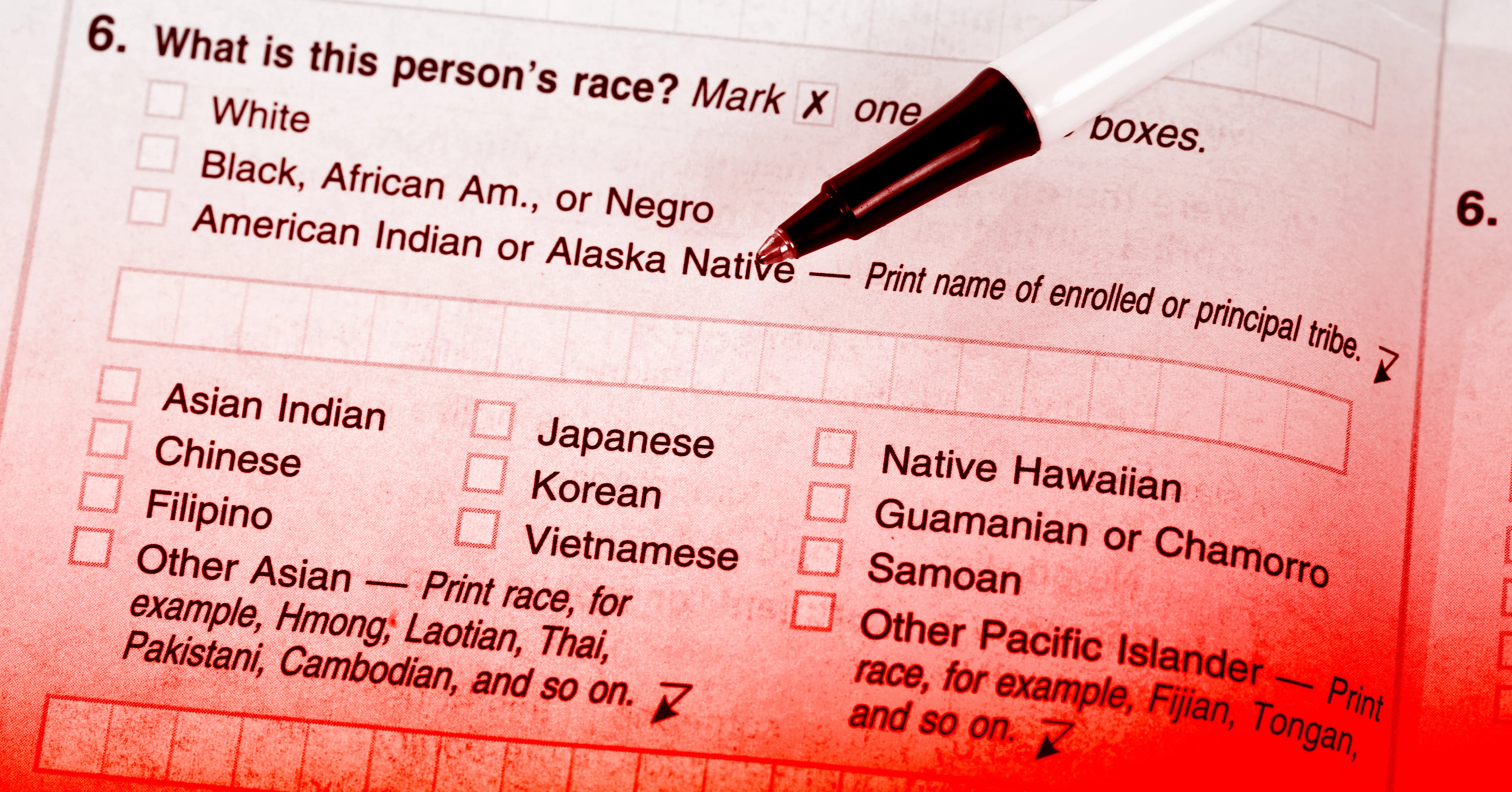
The US Department of Commerce is circulating a draft rule for the 2030 census that would exclude undocumented immigrants from the apportionment count and eliminate questions regarding race and sexual orientation. The proposal, reviewed by WIRED, aims to prevent data "distortions" created by personal questions and requires the reintroduction of a citizenship question, a measure previously blocked by the Supreme Court. Critics, including academics and anonymous government employees, warn the changes could suppress political power and divert federal funding away from racial minorities, LGBTQ+ communities, and Native populations, while potentially discouraging participation due to fears of enforcement.
The proposed rule states that census questions about race and sexual orientation will be eliminated “to protect from any distortions created from the inclusion of personal questions.” The memo asserts that “illegal aliens (among others) should not be included in the apportionment count, they are not true inhabitants, members of the body politics [sic], or persons with ‘usual residence’ in the United States.” Implementing these changes would likely require reintroducing a citizenship question on the census.
In August 2025, Republican Representative August Pfluger sponsored the COUNT Act to reintroduce a citizenship question. In October, Republican Senator Jim Banks of Indiana wrote to Commerce Secretary Howard Lutnick, arguing there is a “credible argument” that the Constitution’s framers intended the Census to cover only lawful inhabitants. This follows a previous attempt during Donald Trump’s first term to add a citizenship question, which was struck down by the Supreme Court 5-4, with Chief Justice John Roberts citing a “contrived” justification, though the court did not rule such questions inherently unconstitutional.
Anonymous employees from the Department of Health and Human Services (HHS) and the Department of Commerce expressed concerns to WIRED regarding the proposal’s impact. HHS employees warn that removing undocumented individuals from the count could cause localities with high undocumented populations to lose critical federal funding, and that removing racial categories could specifically impact Native populations by affecting grant determinations for Tribal entities.
Commerce employees warn that adding a citizenship question could make undocumented individuals and those with undocumented family members afraid to participate, potentially suppressing population counts and erasing political power. Danah Boyd, a Cornell University professor, states that eliminating this data would make it difficult to assess whether congressional districts are predominantly made up of minorities, thereby hindering efforts to challenge political inequalities.
