US cattle futures slide as hog market seeks price floor
Despite futures weakness, cash prices remain near record levels due to tight US supplies and summer demand, while the White House delays beef tariff executive order
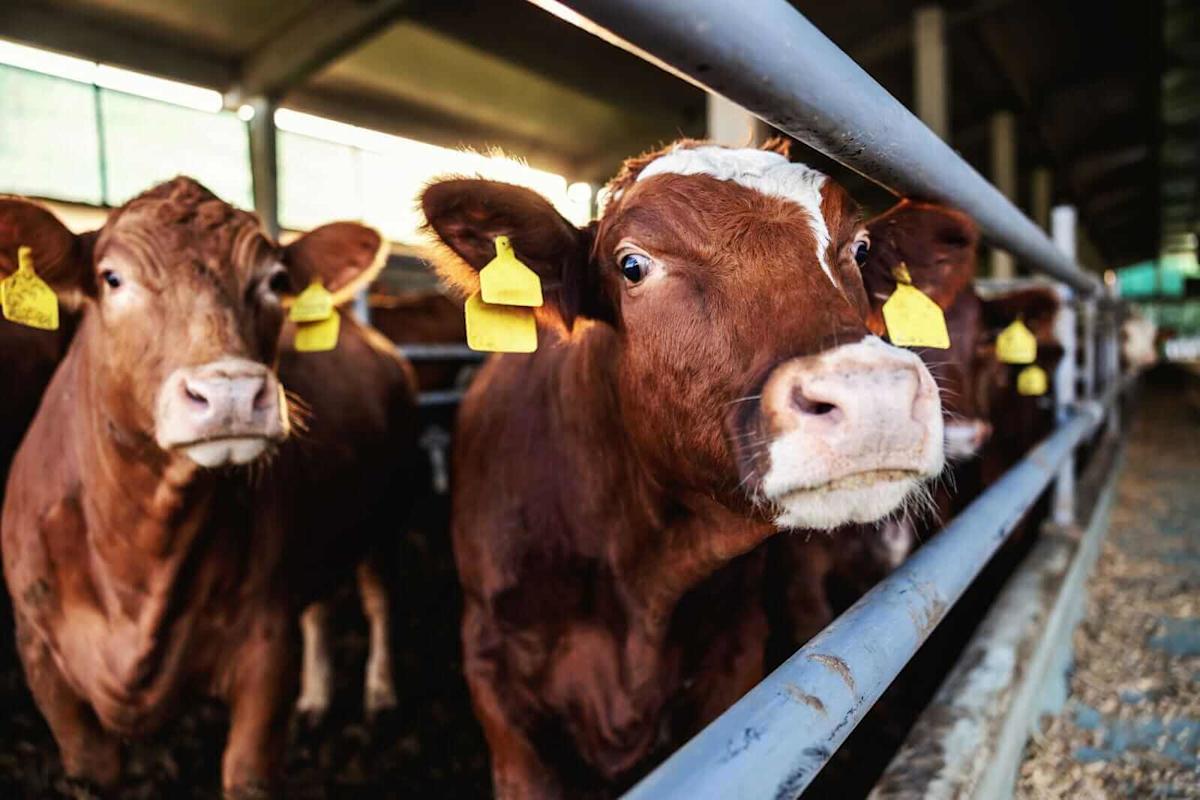
US cattle futures declined late last week, with June live cattle (LEM26) closing at $249.30, a drop of $4.60 for the week. August feeder cattle (GFQ26) futures fell to $349.85, losing $11.60 over the same period. The decline was driven by profit-taking and weak long liquidation, creating bearish technical signals that suggest follow-through selling pressure may continue this week.
The USDA reported on 1 May 2026 that cattle and calves on feed totalled 11.6 million head, a 2% increase year-on-year and slightly above market expectations. April feedlot placements reached 1.70 million head, 6% higher than in 2025, while marketings were 1.64 million head, 10% below the previous year.
Despite the weakness in futures, cash cattle prices remained near record levels. Steers averaged $260.88 and heifers $260.85 on Friday, down slightly from $262.85 the previous week. Historically tight US inventories and rising demand for the grilling season continue to support cash prices even as beef production remains lower for the year.
In the hog market, June lean hog (HEM26) futures rose $0.625 to $95.75, pausing after hitting a five-month low. Analysts suggest that a seasonal increase in pork demand could establish a price floor for hog futures in the near term, particularly if consumers shift toward more economical pork options compared to beef.
Policy uncertainty also weighed on the sector, with the White House delaying an executive order to temporarily reduce beef import tariffs. A senior White House official described the potential order as a "work in progress," highlighting the political dilemma between managing consumer grocery prices and maintaining support from the cattle industry.