US cancer surgery waits hit 10-year high as system consolidation drives delays
Researchers attribute rising surgical wait times for six major cancer types to healthcare consolidation and a shift toward centralized, high-volume treatment centres.
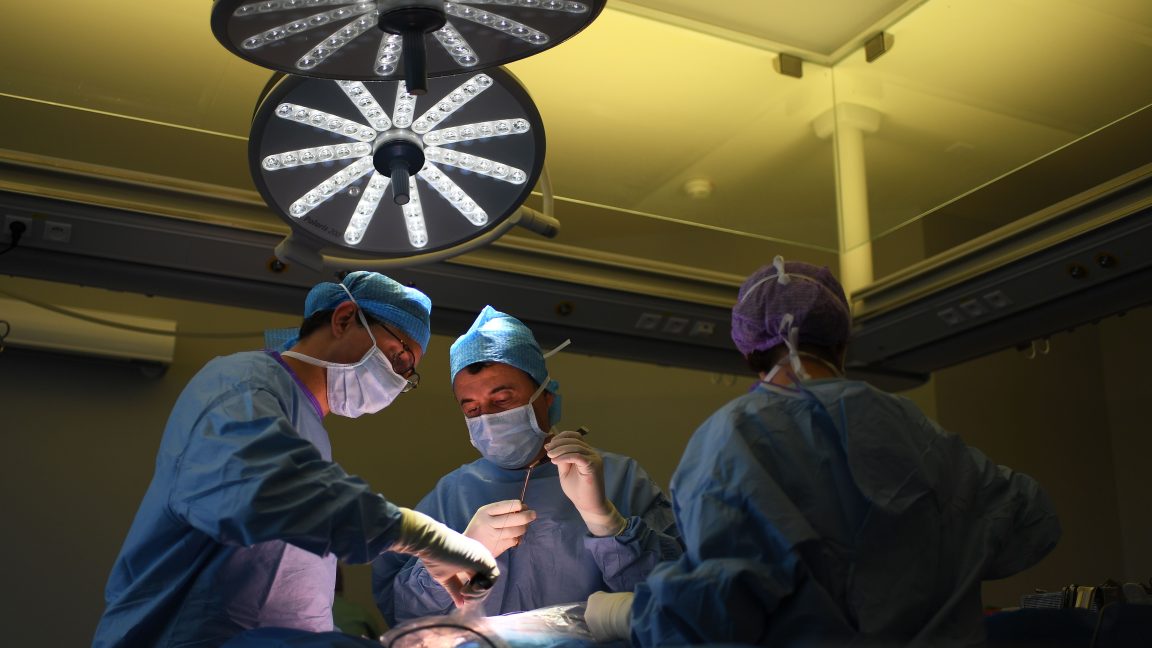
Wait times for cancer surgeries in the United States have reached a decade high, according to a study published in JAMA Surgery. The research, led by Timothy Donahue at the University of California, Los Angeles, analysed data from more than 2.7 million patients diagnosed with non-metastatic stage I–III cancers between 2012 and 2023. The findings reveal consistent increases in surgical delays across breast, colon, lung, pancreatic, gastric, and esophageal cancers.
Timeliness is a core metric of healthcare quality, and delays in cancer surgery are linked to poorer outcomes, including reduced survival rates and increased patient anxiety. The study broke the 11-year period into four groups to track incremental changes. Wait times for breast cancer rose from 34 days in the 2012–2015 period to 45 days in 2022–2023. Similarly, colon cancer waits increased from 20 to 31 days, while lung cancer waits climbed from 41 to 53 days.
The increases were observed across all measured periods, with gastric cancer seeing a rise from 35 to 49 days, esophageal cancer from 38 to 48 days, and pancreatic cancer from 23 to 32 days. The proportion of patients experiencing prolonged waits of 30 or more days, as well as extreme waits of 60 or more days, increased across all cancer types studied.
Researchers attribute these delays to healthcare system consolidation and a structural shift towards centralized, high-volume academic treatment centres. While these specialised centres are generally associated with better clinical outcomes due to the quality of care they provide, the study suggests that bottlenecks at these facilities may be negating those benefits. The authors note that referring uncomplicated cases, such as breast-conserving surgery or straightforward colectomy, to high-volume centres may introduce avoidable delays without commensurate clinical benefit.
The burden of these delays falls disproportionately on socioeconomically vulnerable patients. The study found that uninsured patients, Medicaid recipients, Black patients, lower-income individuals, and those living further from treatment centres faced significantly longer waits. The researchers suggest that healthcare systems could reduce delays by increasing patient capacity at high-volume centres and by being more selective about referrals, reserving them for complex cases rather than straightforward procedures.