US budget deficit hits highest monthly level since March 2021
New data from CNBC reveals the US government’s borrowing has accelerated sharply, with the cumulative deficit for the first ten months of the fiscal year exceeding the equivalent period in the previous year.
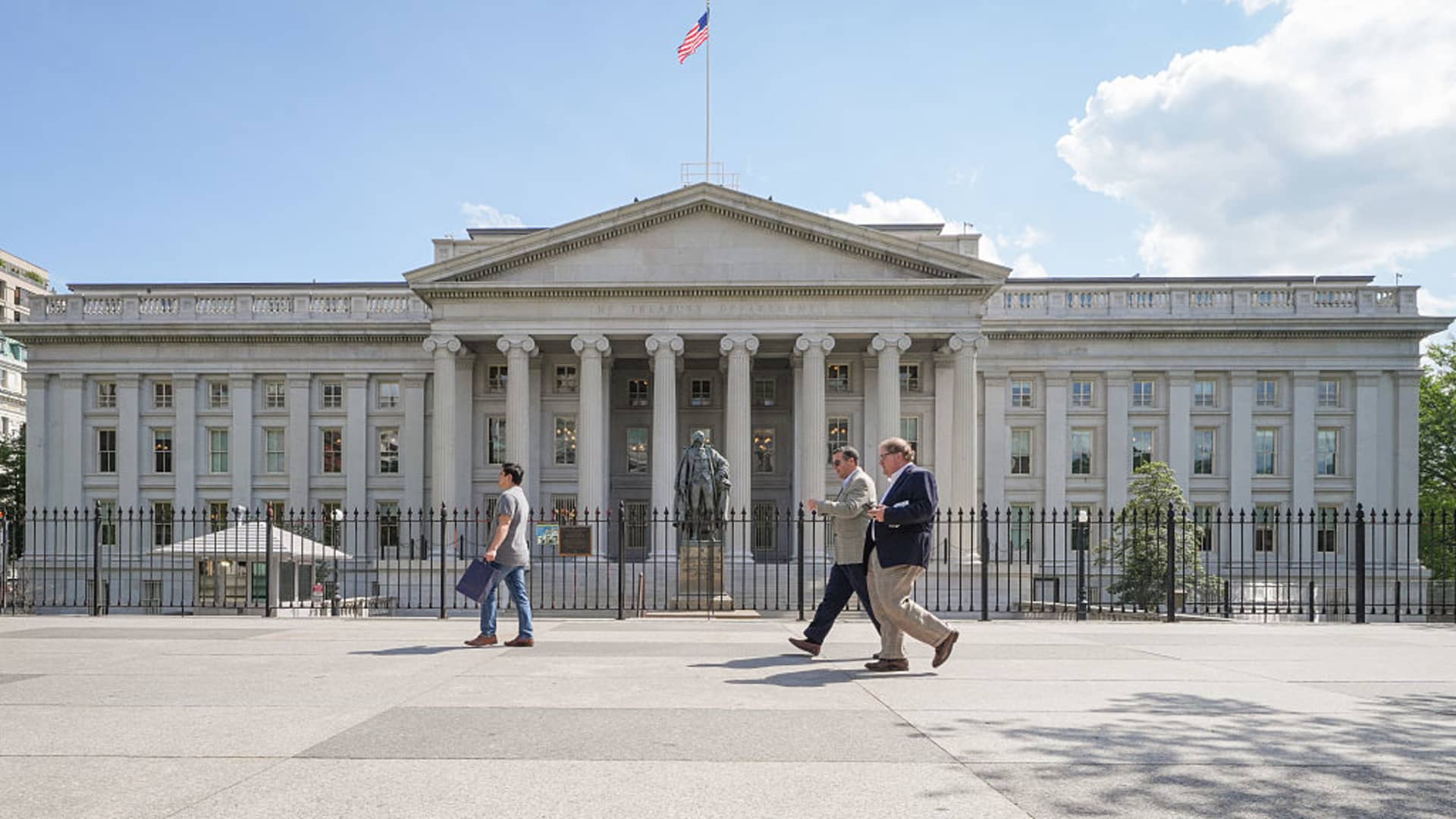
The US budget deficit recorded a substantial increase in July, marking the highest monthly level seen since March 2021. According to data reported by CNBC, the single-month jump in red ink signals a notable acceleration in government borrowing during the latest fiscal period.
For the first ten months of the current fiscal year, the cumulative deficit has risen to nearly $1.8 trillion. This figure represents a significant expansion in the government's financial shortfall compared to historical benchmarks, indicating a continued widening of the gap between federal revenues and expenditures.
The current fiscal year's performance stands in stark contrast to the previous year. The cumulative deficit for the ten-month period has surpassed the same timeframe in 2025, underscoring a trend of increasing fiscal pressure on the US treasury.
While the specific dollar amount for the July surge was not detailed in the initial reports, the classification of the month as the highest since March 2021 highlights a deviation from recent trends. The data suggests that the factors driving the deficit have intensified in the latter half of the fiscal year.
This financial development occurs against a backdrop of broader market activity, including the recent debut of SpaceX shares on the Nasdaq and diplomatic developments involving the US and Iran. However, the immediate focus for investors and policymakers remains on the trajectory of the federal budget and its implications for long-term fiscal stability.