US approves Bridger Pipeline Expansion, dubbed Keystone Light, for 2027 construction
The project, authorised by Donald Trump, aims to transport Canadian crude but faces opposition from Indigenous groups and environmentalists citing spill risks and water quality concerns.
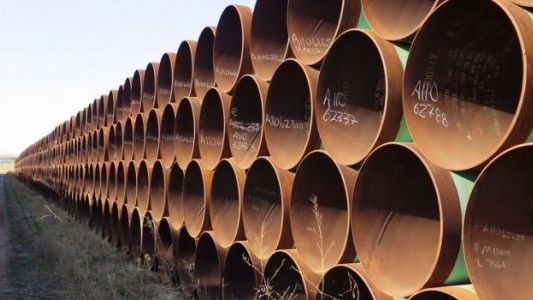
US President Donald Trump has signed a presidential permit authorising the Bridger Pipeline Expansion, a project colloquially dubbed Keystone Light. The approval marks the green light for development work to commence, with construction scheduled to begin in 2027 and a target completion date of late 2028 or early 2029.
The proposed 36-inch pipeline will span approximately 650 miles from Phillips County, Montana, to Guernsey, Wyoming. Initial operational capacity is set at approximately 550,000 barrels per day, though industry analysts note that batching light crude oil could allow volumes to exceed typical heavy oil ceilings, potentially reaching up to 1.13 million barrels per day.
The project design includes potential tie-ins for the Bakken shale oil field, leveraging Bridger Pipeline LLC's existing North Dakota gathering network to create future expansion options. Proponents argue that the route largely avoids crossing Native American reservations and follows existing infrastructure corridors for 70 per cent of its length, distinguishing it from the cancelled Keystone XL project.
However, the initiative faces significant opposition from environmental groups and Indigenous communities, who cite spill risks and environmental impacts. The Montana Environmental Information Center specifically highlighted a 2015 incident involving Bridger Pipeline LLC where over 30,000 gallons of oil spilled into the Yellowstone River near Glendive, Montana.
Greenpeace Canada has condemned the expansion, arguing Canada should reduce oil reliance rather than invest in new fossil fuel infrastructure. While the Bridger Pipeline project seeks to transport Canadian crude, it belies the broader fact that Canada's oil sector is actively seeking to diversify export markets beyond the United States.
Canada currently exports more than 90 per cent of its crude oil to the United States, creating significant exposure to changes in US administration and policy. This reliance underscores the strategic importance of the Keystone Light approval for Canadian producers, even as they pursue alternative investments for a separate West Coast pipeline initiative.