US and Iran halt strikes as Oman brokers Hormuz transit deal
Mediators including Oman are negotiating a framework to secure shipping lanes in the Strait of Hormuz, aiming to prevent a return to full-scale conflict after a recent de-escalation.
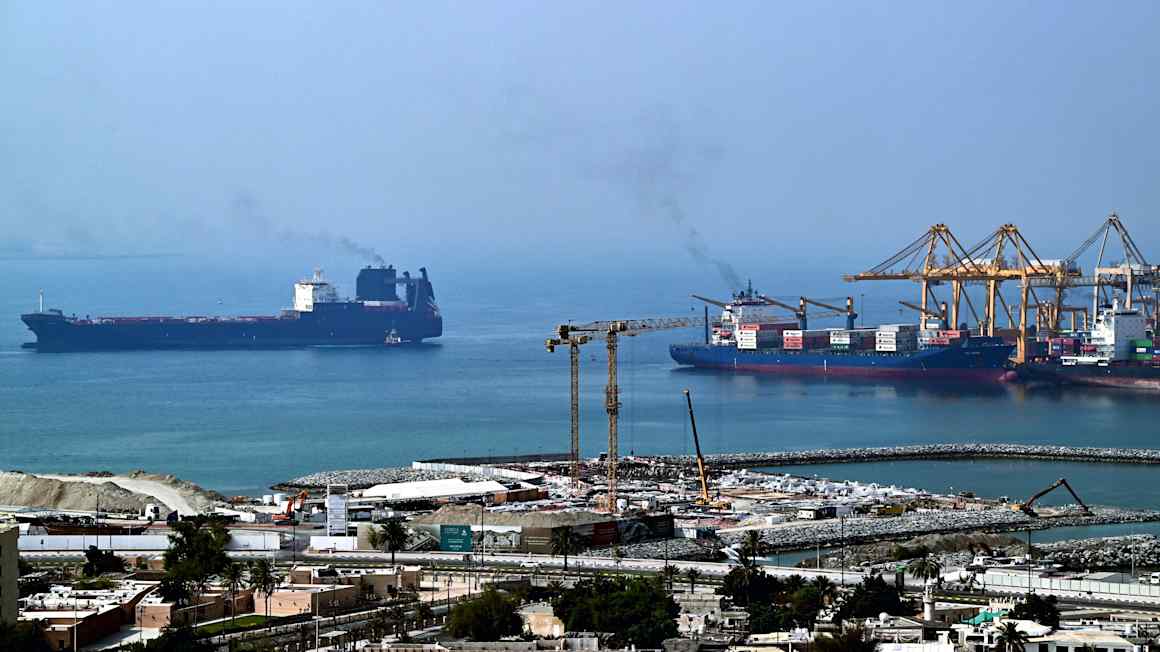
The United States has paused military strikes on Iran for a second consecutive night, marking a significant shift in the kinetic phase of the conflict. According to a report by the Financial Times, no attacks were launched by either side during this period, creating a window for diplomatic intervention. Mediators, with Oman playing a central role, are actively seeking a deal to ensure safe transit through the Strait of Hormuz and to avert a return to full-scale war.
This cessation of hostilities follows an intense period of military activity, including an eleventh consecutive night of strikes by US Central Command against Iranian targets. The pause comes amid heightened tensions that escalated after Iran shot down a US helicopter, prompting vows of response from President Donald Trump. The current lull suggests a potential turning point, as both sides appear to be engaging with diplomatic channels to de-escalate the immediate threat of broader conflict.
The economic implications of the preceding conflict were severe, particularly regarding energy markets and shipping logistics. Brent crude oil prices climbed nearly 4% to $94.23 per barrel during the escalation. However, the physical risk to global supply chains was more starkly illustrated by the marine insurance sector. War-risk premiums for tankers transiting the Strait of Hormuz surged by approximately 1,900%, indicating a level of perceived danger that extended well beyond the immediate rise in oil prices.
Iran had previously threatened to target vessels in the Strait of Hormuz in direct response to US strikes, raising concerns about the security of one of the world’s most critical energy chokepoints. The current diplomatic efforts, led by mediators including Oman, are focused on securing a transit deal that would mitigate these risks. The objective is to stabilise shipping lanes and reduce the premium costs that have disrupted global trade flows.
While the specific terms of the Oman-pursued transit deal remain undisclosed, the cessation of attacks provides a critical opportunity for negotiations. The duration of the current pause is unconfirmed, and the success of the diplomatic efforts hinges on the ability of mediators to secure a lasting agreement. For investors and institutions monitoring energy markets, the focus now shifts to the progress of these talks and their potential to restore stability to the region’s shipping routes.