US and Iran exchange fire in Strait of Hormuz as oil spikes to $115
Markets react immediately to direct military engagement between Washington and Tehran, with Tehran also launching attacks on United Arab Emirates assets.
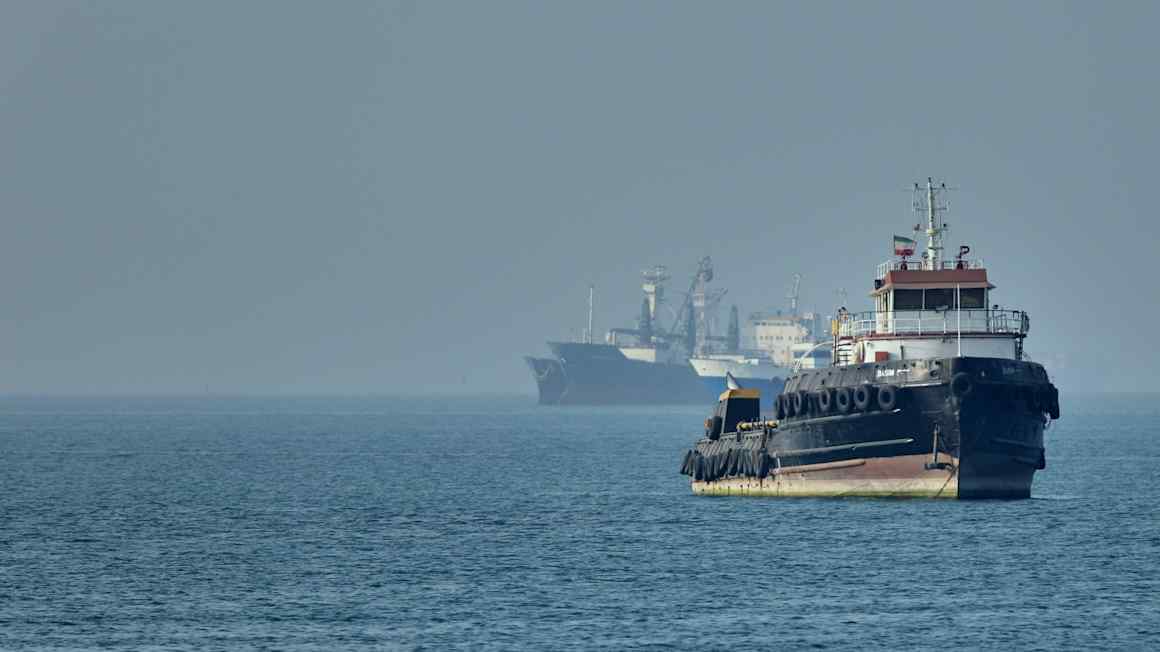
Tensions have escalated sharply in the strategically vital Strait of Hormuz, prompting a direct exchange of fire between United States forces and Iranian fast boats. The confrontation marks a significant intensification of the crisis in this critical chokepoint for global oil supplies, with immediate repercussions rippling through international financial markets.
While the United States engaged Iranian vessels, Tehran simultaneously launched attacks targeting assets in the United Arab Emirates. The simultaneous nature of these military actions has created a volatile environment, raising concerns about the security of maritime trade routes and the stability of the region's energy infrastructure.
The financial markets reacted swiftly to the outbreak of hostilities. Global oil prices surged to $115 per barrel as traders assessed the risk of supply disruptions stemming from the conflict in the narrow strait. The spike reflects investor anxiety over the potential for prolonged interruptions to the flow of crude oil through this essential artery.
Concurrently, the instability in the region drove a sell-off in US Treasury securities. The sharp movement in bond prices indicates a flight to liquidity or a reassessment of risk premiums as geopolitical uncertainty mounts. The correlation between the military escalation and the decline in bond values underscores the sensitivity of fixed-income markets to sudden shifts in global security dynamics.
The source of the report, the Financial Times, highlights the specific nature of the engagement, noting the involvement of Iranian fast boats and the targeting of UAE interests by Tehran. These details provide a clearer picture of the immediate triggers for the market volatility, distinguishing the current events from previous periods of diplomatic tension in the Gulf.
As the situation unfolds, the focus remains on the immediate impact on energy costs and the broader implications for global liquidity. With oil prices already climbing to $115 per barrel and Treasury yields reacting negatively, the financial community is closely monitoring the trajectory of the conflict and its potential to sustain higher energy costs in the coming weeks.