US 30-year Treasury yield hits 2007 high as global bond sell-off deepens
The 30-year US Treasury yield closed at 5.13%, its highest level since June 2007, as hotter-than-expected inflation figures and geopolitical tensions fuel expectations of aggressive Federal Reserve policy.
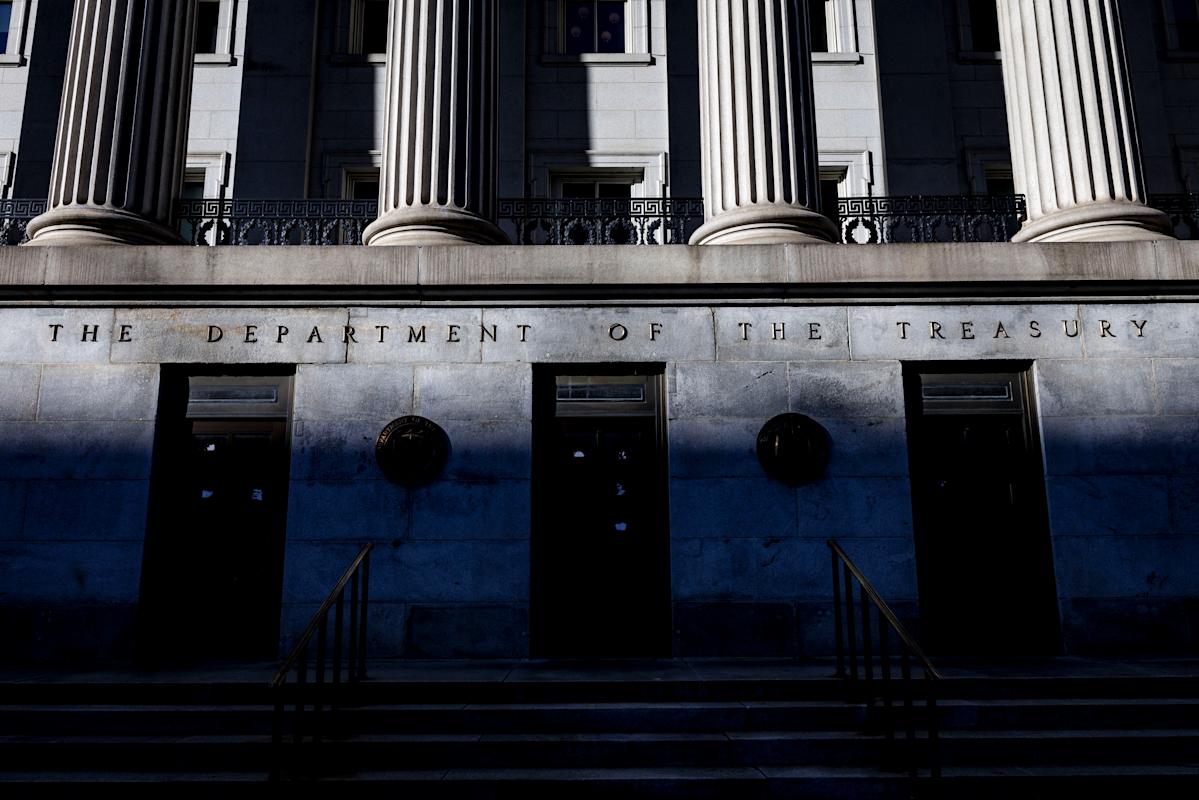
The 30-year US Treasury yield surged to a closing level of 5.13% on Friday, marking its highest point since June 2007. The benchmark long bond broke above the psychological 5% threshold, rising 12 basis points as investors reassessed the trajectory of interest rates. The move came amid a broader sell-off in global bond markets, with the 10-year benchmark yield climbing 13 basis points to 4.59%, its highest level since May 2025.
The sharp rise in yields was driven by a combination of persistent inflation pressures and hawkish expectations for Federal Reserve policy. Recent data painted a picture of sticky price growth, with the Consumer Price Index showing a 3.8% year-over-year increase in April, largely propelled by soaring energy costs. Additionally, the Producer Price Index revealed a 6% annual rise in wholesale prices, further complicating the outlook for monetary easing.
Geopolitical developments added to the inflationary fears. Diplomatic efforts between President Trump and Chinese President Xi Jinping regarding the Iran war and the Strait of Hormuz failed to produce a breakthrough. Oil prices rose on Friday following Trump’s departure from Beijing without a concrete agreement, amplifying concerns that energy costs would remain elevated. This environment has shifted market sentiment regarding the Federal Reserve’s next moves.
According to CME’s FedWatch tool, traders have significantly adjusted their expectations for US monetary policy. While near-certainty remains that the Fed will hold rates steady at its June meeting, the probability of a rate hike by the end of the year has jumped to nearly 50%. This marks a stark reversal from earlier assumptions that the central bank would continue to lower rates, with the current data suggesting the Fed may need to tighten conditions to combat inflation.
The bond rout extended beyond the United States, reflecting a synchronized global shift in fixed-income markets. Japan’s 30-year yield hit 4%, while UK 10-year government bonds reached 5.14%. As yields rise, bond prices fall, a dynamic that has historically tightened financial conditions when long-term rates breach the 5% mark. The convergence of domestic inflation data and international geopolitical instability has created a challenging environment for investors across asset classes.