Unverified 'Natural' Labels: Sydney Supermarket Scan Exposes Widespread Greenwashing in Food Sector
In high-emission categories like meat and confectionery, products boasting 'sustainable' tags often had higher carbon footprints than unlabelled counterparts, prompting calls for regulated ratings
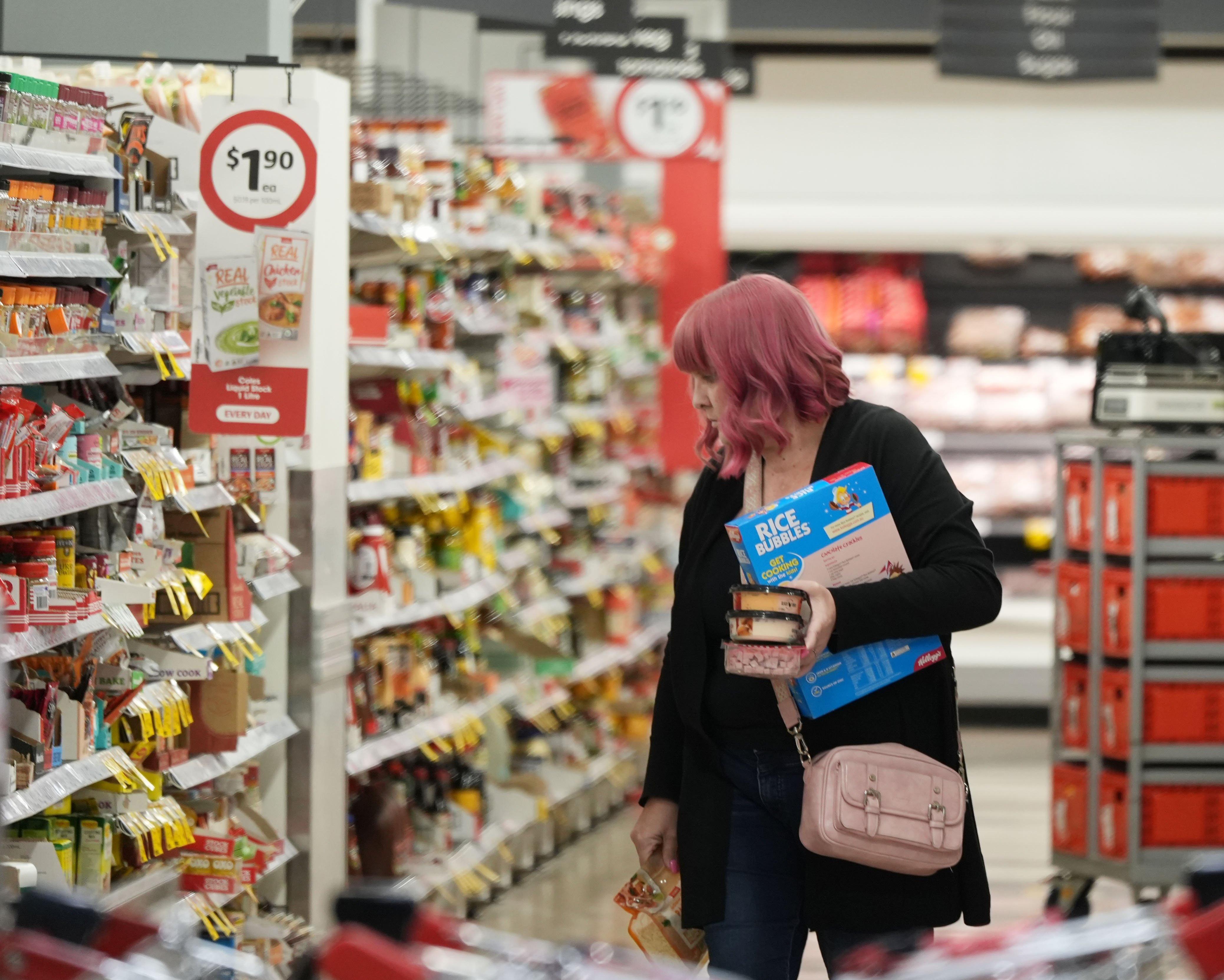
A comprehensive survey of packaged goods across major Sydney supermarkets has revealed that nearly 40% of items carry environmental claims without independent verification. Researchers from the George Institute for Global Health assessed 27,000 products sold at Coles, Woolworths, Aldi, IGA, and Harris Farm, finding that the majority of sustainability assertions were self-declared by manufacturers.
The study, published in Public Health Nutrition and Cleaner and Responsible Consumption, identified 69 different environmental claims, with terms like 'natural' and 'vegan' appearing most frequently. Associate Professor Alexandra Jones, the institute's program lead for food governance, noted that while consumers increasingly seek food choices beneficial for the planet, the current lack of legal definitions creates significant risks of greenwashing.
Critically, the analysis found that in high-emission categories such as meat and confectionery, products labelled as 'sustainable' or 'natural' often possessed significantly higher carbon footprints than their unlabelled counterparts. Lead author Mariel Keaney highlighted that when such labels appear on the highest-emitting products within a category, they are potentially misleading rather than helpful for shoppers attempting to reduce their environmental footprint.
Experts warn that the current market conditions feature a confusing mix of vague, unsubstantiated claims alongside potentially useful ones. Professor Natalina Zlatevska from the University of Technology Sydney pointed out that without universal standards, consumers face difficulty distinguishing between genuine sustainability efforts and marketing speak, noting that terms like 'natural' are often meaningless in a regulatory context.
In response to these findings, researchers are calling for standardised, regulated ratings similar to the Eco-Score system used in France. Such a system would provide a simple, colour-coded traffic light style rating to assist consumers in making rapid, informed decisions regarding the environmental impact of their grocery purchases.
Until robust regulation is implemented, experts advise consumers to focus on broader dietary shifts rather than relying on individual product labels. The consensus among researchers is that reducing meat intake and increasing consumption of fruits, vegetables, and legumes remains the most effective way to lower personal environmental footprints.