University of San Diego and Google Research test smartphone motherboards for school data clusters
Repurposing discarded Google Pixel hardware offers a low-carbon alternative to traditional server infrastructure, with a pilot cluster already supporting dozens of students.
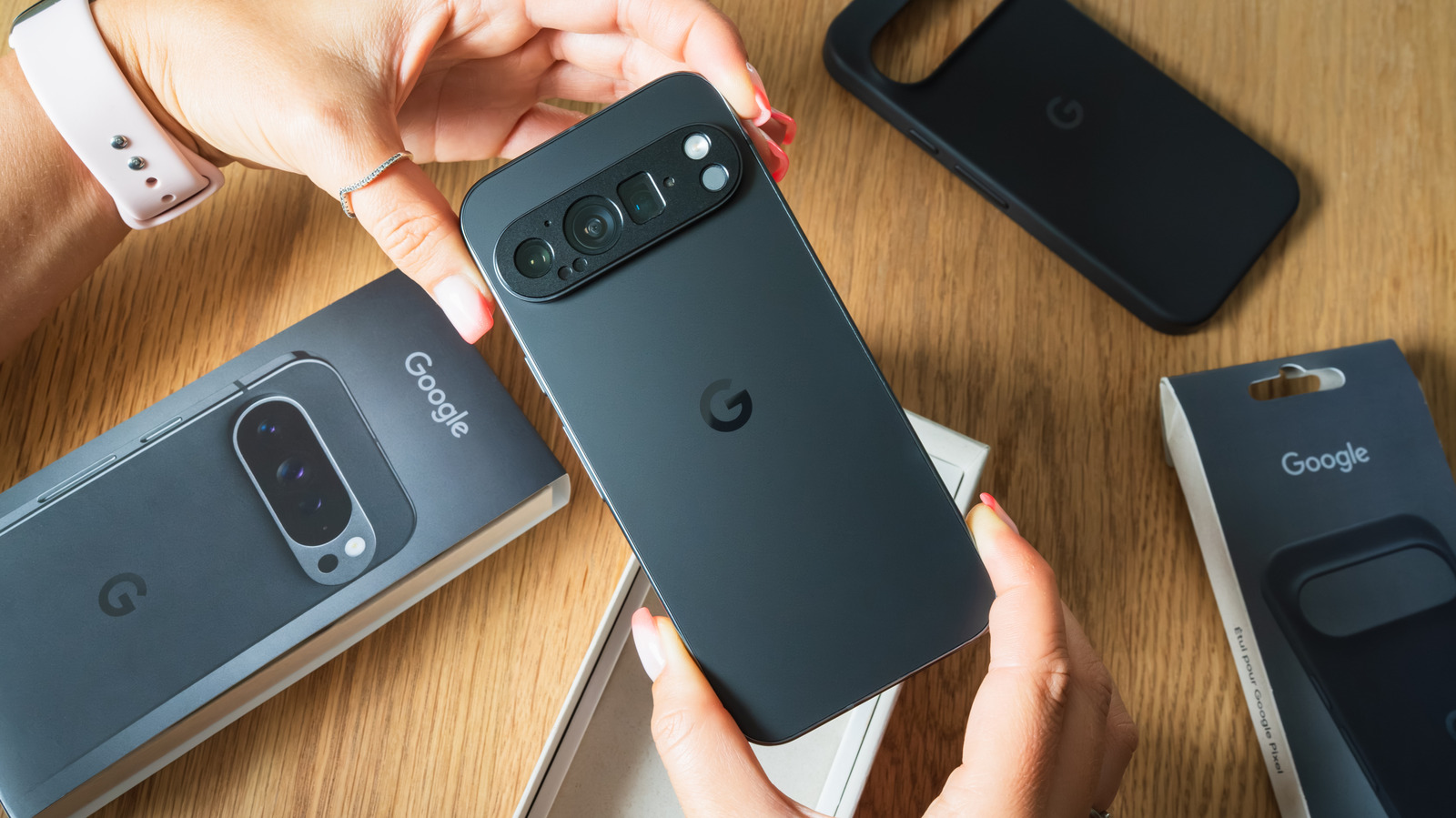
Researchers at the University of San Diego, working in collaboration with Google Research, are evaluating the viability of repurposing discarded Google Pixel smartphone motherboards into affordable computing clusters for educational institutions. The initiative, which was first reported by Tom’s Hardware and detailed in a Google Research blog, seeks to mitigate electronic waste while providing schools with cost-effective access to computing resources.
The project involves stripping old Pixel devices of non-essential components, including displays, batteries, casings, and speakers, to utilise the remaining motherboards as general-purpose computing platforms. According to Google Sustainability reports, a smartphone’s motherboard accounts for approximately 50 per cent of the device’s total carbon footprint. By retaining these core components, the system aims to reduce the environmental impact associated with manufacturing new server hardware.
Performance testing has revealed that modern smartphone processors possess significant computational power. Researchers noted that the single-threaded performance of the Google Pixel Fold (2023) often outperforms the ASUS RS720-E11 server in SPEC benchmarks. Google Research stated that the single-threaded capabilities of many modern smartphones are now on par with those of modern multicore servers, challenging traditional assumptions about mobile hardware limitations.
In its current pilot phase, a cluster comprising 20 motherboards is capable of supporting education applications for over 75 students. The long-term objective is to scale this infrastructure to a 2,000-unit cluster, which would theoretically support approximately 100 classes simultaneously. If successful, the system could offer schools a computing solution significantly cheaper than building new physical infrastructure.
The initiative addresses a growing environmental concern driven by rapid device upgrade cycles. Google Research estimates that the average smartphone user replaces their device every four years, resulting in millions of discarded phones annually. These discarded devices often contain hazardous materials, such as lithium-ion batteries, and valuable metals like copper and silver that are lost when not properly recycled. The system is scheduled to launch in the fall.
